How to Safely Use a Power Washer on Your Car
Keeping your car looking spotless can be a real challenge, especially when it comes to cleaning tough dirt without causing damage. If you’ve ever worried about using a power washer on your car, you’re not alone. Many people struggle to find the right balance between a deep clean and protecting their vehicle’s paint and components.
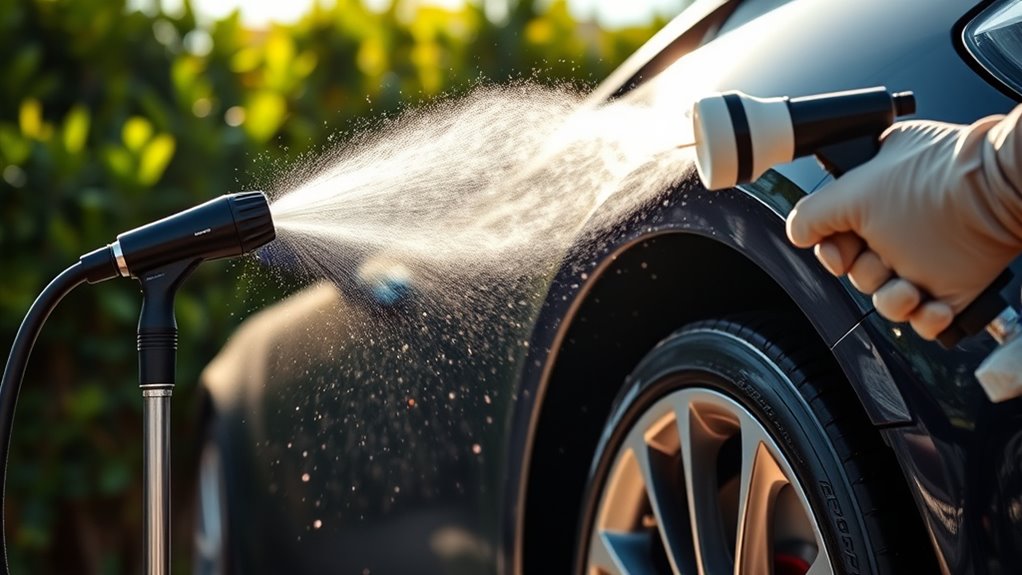
To safely power wash your car, start by inspecting for loose parts and applying a protective wax. Use an electric pressure washer set between 1200 to 1900 PSI and a wider nozzle (25° or 40°) to avoid damaging paint.
Keep the sprayer away from engine compartments and maintain a steady grip. After washing, rinse thoroughly using microfiber towels to prevent scratches.
Want to know more about common mistakes and drying techniques? There’s plenty more to uncover!
Key Takeaways
- Inspect your car for loose parts and scratches before washing to prevent damage during power washing.
- Use a pressure washer within the recommended range of 1200 to 1900 PSI to avoid damaging the paint.
- Choose a wider nozzle angle (25° or 40°) for gentler cleaning on delicate surfaces.
- Thoroughly rinse and dry your car using microfiber towels to prevent water spots and scratches.
- Regularly maintain your power washer, checking for clogs and wear to ensure optimal performance.
How to Safely Power Wash Your Car: Key Risks to Avoid
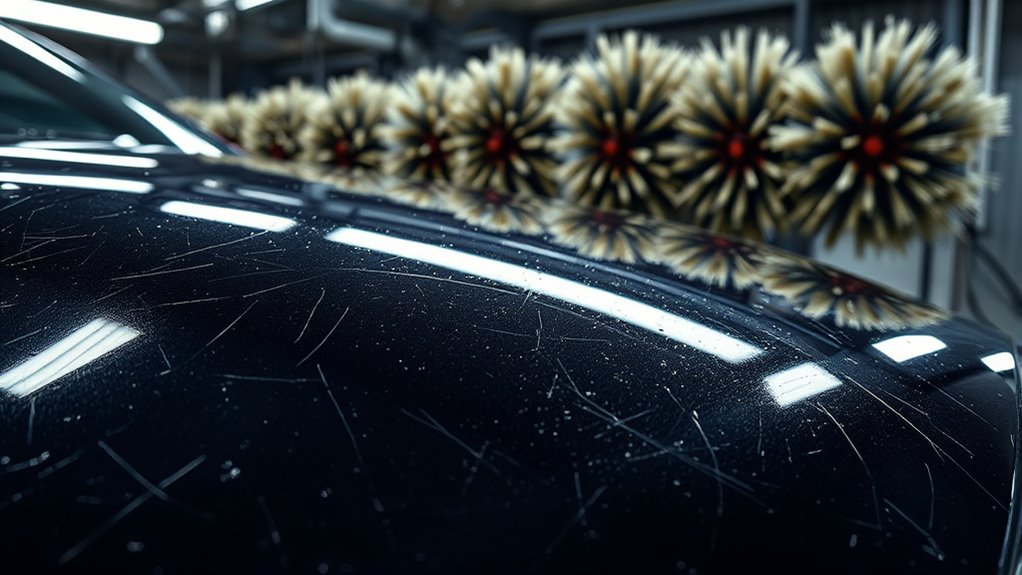
When you decide to power wash your car, it’s essential to understand the key risks involved to avoid damaging your vehicle. Start with a thorough risk assessment. High pressure can lead to paint damage, so always control the pressure according to your car’s surface.
Use a suitable cleaning technique, ensuring you’re not too close to the paint. Be cautious of water intrusion; avoid spraying directly into engine compartments or electrical components.
Prioritize electrical safety by keeping equipment away from water sources and checking your power washer for any issues. Proper equipment handling is vital; a firm grip prevents accidents.
Finally, don’t forget surface protection. Consider using a wax or sealant after washing to shield against future damage. By being aware of these risks, you’ll keep your car looking its best while staying safe throughout the process.
Preparing Your Car for Power Washing
Before you grab the power washer, take a moment to prepare your car properly. A little prep work goes a long way in ensuring your car stays in great shape and avoids any damage.
Conduct a pre wash inspection: Check for any loose parts, scratches, or dirt buildup that could be problematic.
Apply car surface protection: Wax or sealant can help shield your paint from potential damage during washing.
Remove any accessories: Detach items like antennas or bike racks to prevent them from getting damaged or caught in the washer.
Choosing the Right Power Washer for Car Cleaning
Choosing the right power washer can make all the difference in keeping your car clean without causing damage. When selecting a power washer, consider the different power washer types available. Electric models are usually lighter and quieter, making them ideal for car cleaning. On the other hand, gas-powered units offer more power but can be overkill for your vehicle.
Look for pressure washer brands known for reliability and safety features. Brands like Sun Joe and Karcher provide models with adjustable pressure settings, which are perfect for washing cars. Aim for a pressure range of 1200 to 1900 PSI; this is generally safe for automotive surfaces without risking damage.
Before you commit, read customer reviews and consult specifications to guarantee the model you choose meets your needs. A well-chosen power washer can help you maintain your car’s appearance while protecting its finish.
Selecting the Right Nozzle for Safe Car Washing
When you’re washing your car with a power washer, picking the right nozzle really makes a difference for getting it clean. Different nozzles give you different spray patterns, so it’s good to know what each one does. Plus, understanding the pressure settings can help you avoid accidentally damaging your vehicle. So, let’s take a closer look at how to choose the best nozzle for a safe and effective wash.
Nozzle Types Explained
Selecting the right nozzle for your power washer is essential for safely cleaning your car. Different nozzle angles and materials can greatly influence your washing experience. Here’s what to reflect on:
- Nozzle Angles: Wider angles (like 25° or 40°) are gentler, perfect for delicate surfaces. Narrower angles (like 0° or 15°) provide a more concentrated spray for tough grime.
- Nozzle Materials: Opt for brass or stainless steel nozzles for durability. Plastic nozzles are lighter and less expensive.
- Usage: Always start with a wider angle to gauge how your car responds, then adjust as needed.
Pressure Settings Importance
Understanding pressure settings is essential for safely washing your car, as it directly impacts both the cleaning effectiveness and the risk of damaging your vehicle’s surface. Start by checking the pressure gauge on your power washer; most cars require a pressure setting between 1200 and 1900 PSI.
If you’re unsure, make gradual setting adjustments to find the right level. Using a higher pressure can strip paint or damage delicate components, while too low might not clean effectively.
Pair your chosen pressure with the appropriate nozzle. Generally, a 25-degree or 40-degree nozzle works best for car surfaces.
Always test the spray on a less visible area to verify you’re comfortable with the pressure before tackling the entire vehicle.
How to Position Your Power Washer Correctly?
To effectively clean your car with a power washer, you’ll want to position it at an ideal distance to avoid damage while ensuring a thorough wash. Proper power washer placement is essential for achieving the best results. Follow these distance guidelines to protect your vehicle:
Position your power washer 3-4 feet from your car for a safe and effective cleaning.
Start at 3-4 feet: This allows for a gentle wash without risking scratches.
Adjust as needed: Depending on the surface and dirt level, you may need to move closer or further away.
Maintain a consistent angle: Keep the nozzle at a 45-degree angle to prevent concentrated pressure on one spot.
Why Water Pressure Settings Matter
Choosing the right water pressure settings is essential for protecting your car’s paint while ensuring a thorough clean. Using too high of a water pressure can strip away the protective clear coat, leaving your car vulnerable to scratches and damage. Generally, a setting between 1200 to 1900 PSI is safe for most vehicles.
Always check the pressure gauges on your power washer before you start. When you select the appropriate level, you’re not just safeguarding the paint; you’re also making your cleaning process more effective. Lower settings allow soapy water to cling longer, helping to lift dirt and grime without risking damage.
Step-by-Step Techniques for Power Washing Your Car Safely
Start by gathering your supplies and prepping your car for a power wash. Make certain you have a pressure washer, appropriate nozzle, car soap, and microfiber towels on hand. Before you begin, follow these essential car washing techniques to guarantee pressure washer safety:
Rinse the car: Start with a light rinse to remove loose dirt and debris.
Apply soap: Use the right car soap with your pressure washer’s foam cannon, ensuring even coverage.
Rinse thoroughly: After scrubbing, rinse off the soap, keeping the nozzle at a safe distance to avoid damage.
Always keep your pressure washer on the lowest effective setting to prevent scratches. Work from the top down, and avoid directing the spray at sensitive areas like the windshield or undercarriage. By following these steps, you’ll keep your car clean and safe from any potential damage.
Common Power Washing Mistakes to Avoid
When you’re using a power washer on your car, it’s pretty easy to make mistakes that could actually cause some damage. You might not even realize how important the right pressure settings are.
And then there’s the nozzle—picking the wrong one can make a big difference. Plus, if you forget about protective coatings, you could be doing more harm than good.
Incorrect Pressure Settings
While using a power washer can effectively clean your car, incorrect pressure settings can cause damage rather than restore shine. To prevent potential damage, always check the pressure gauge and adjust accordingly based on your car’s surface types.
Consider these tips:
- Use the recommended pressure for different cleaning solutions and surfaces.
- Keep an eye on water temperature; hot water can increase cleaning efficiency but may also risk damage if pressure is too high.
- Follow proper drying techniques post-washing to avoid water spots.
Regular maintenance tips for your power washer can also help guarantee you’re using the correct pressure. Being mindful of these factors will help you achieve a clean car without the risk of harm.
Wrong Nozzle Selection
Choosing the wrong nozzle can be one of the most common mistakes when power washing your car. Each nozzle has specific compatibility and a spray angle designed for different surfaces and tasks.
For your car, you’ll want a nozzle that provides a gentle spray, usually a wide-angle one like a 25- or 40-degree nozzle. This helps prevent damage to the paint while effectively removing dirt and grime.
Using a narrow-angle nozzle can create too much pressure, risking dents or scratches. Always check the manufacturer’s recommendations for your power washer and verify you’re using the correct nozzle.
Taking the time to select the right one can save you from costly repairs and keep your vehicle looking its best.
Neglecting Protective Coatings
Here are some key points to keep in mind:
- Inspect Coatings: Check for any wear or damage before power washing. A compromised coating can result in scratches and chips.
- Reapply Regularly: Guarantee your protective coatings are fresh. Wax or sealant should be reapplied as recommended to maintain effectiveness.
- Use Caution with Pressure: High pressure can strip away protective layers. Always use the appropriate settings to preserve your coatings.
Rinsing and Drying Your Car After Power Washing
Once you’ve rinsed thoroughly, it’s time to dry. Opt for microfiber towels or chamois, as these materials absorb water without scratching your paint. Pat the surface rather than rubbing, which helps prevent swirl marks.
For hard-to-reach spots, consider using a leaf blower or compressed air to eliminate excess water in crevices.
Lastly, remember to dry your wheels and tires separately, as they can hold onto grime. Following these rinse techniques and drying methods will leave your car looking spotless and shining like new.
Regular Maintenance Tips for Your Power Washer
To keep your power washer in top shape, regular maintenance is essential. By performing seasonal checks, you can guarantee your equipment runs smoothly and lasts longer. Here are a few key maintenance tips to follow:
Regular maintenance is crucial for your power washer’s performance and longevity; seasonal checks ensure it runs smoothly year after year.
Check the Oil: Regularly inspect and change the oil according to your manufacturer’s recommendations to keep the engine running efficiently.
Clean the Filters: Inspect and clean the water filter regularly to prevent clogs and guarantee ideal water flow.
Inspect Hoses: Look for cracks or wear in the hoses. Replace any damaged hoses to avoid leaks and maintain pressure.
Frequently Asked Questions
Can I Power Wash My Car’s Interior Surfaces?
You shouldn’t use a power washer for your car’s interior cleaning. The force of the water can damage upholstery, electronics, and delicate components.
Instead, stick to vacuuming and using appropriate cleaners for surfaces like seats and dashboards. If you want to clean carpets, consider using a carpet cleaner instead.
This’ll guarantee you maintain your car’s interior without risking any damage that a power washer might cause.
How Often Should I Power Wash My Car?
You should power wash your car every few months, but there’s a catch! If you drive frequently in harsh conditions like salt, mud, or debris, you might want to increase that cleaning frequency.
Regular power washing is essential for effective car maintenance tips, helping to prevent rust and paint damage. Keep an eye on your car’s appearance; if it looks dirty, don’t hesitate.
A clean car not only looks good, it protects your investment!
Is It Safe to Power Wash During Winter?
Yes, you can power wash during winter, but you need to take some winter precautions. Make certain to use the right power washer settings to avoid damaging your car’s finish or components.
Opt for a lower pressure and avoid washing in freezing temperatures to prevent water from freezing on your vehicle. Always make sure the car is thawed, and dry it thoroughly afterward to avoid ice formation.
Stay safe and keep your car clean!
Can Power Washing Remove Wax or Sealant?
Yes, power washing can remove wax and impact sealants. The high pressure and force can strip away protective layers, leaving your car vulnerable to damage.
If you’re using a power washer, it’s essential to adjust the pressure and nozzle angle to minimize this risk. Consider hand washing instead if you want to preserve your car’s wax and sealant.
Always remember, protecting that finish is key to maintaining your vehicle’s appearance!
What Should I Do if I Accidentally Damage My Car?
If you accidentally damage your car, start with a thorough damage assessment. Surprisingly, around 75% of car owners don’t know the extent of their vehicle’s damage after an incident.
Document everything with photos, and consult a professional for repairs. It’s essential for accident prevention to learn from this experience. Understanding what went wrong can help you avoid similar mishaps in the future.
Don’t panic. Take it step by step!
Conclusion
Power washing your car can be like giving it a rejuvenating shower, but you’ve got to be cautious. By following the right steps and using the proper equipment, you can avoid damaging your vehicle.
Remember, it’s not just about getting rid of dirt; it’s about protecting your car’s finish. So, treat your car with care, and it’ll shine like new for miles to come.
Your ride deserves that extra attention! Safe power washing your car is the key to keeping it looking great without any harm.