10 Tips to Wash Your Car in Winter Weather
Washing your car in winter can feel like a never-ending battle. Between the freezing temperatures, road salt, and grime, keeping your ride clean and protected seems almost impossible. You’re not alone—many people struggle with how to properly care for their car during these harsh months.
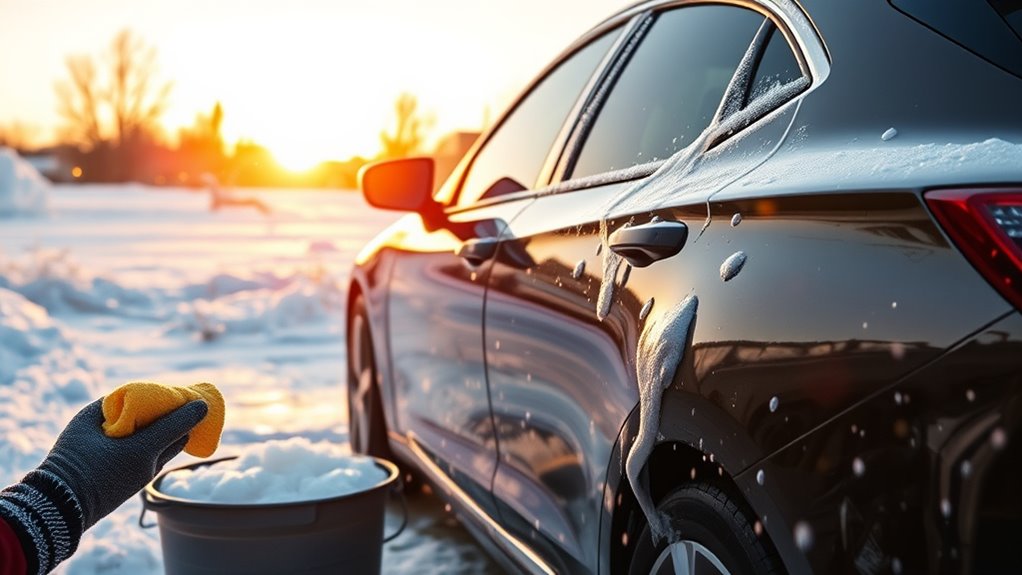
Washing your car in winter is essential to keep it looking great and protect against salt damage. Aim to wash when temperatures are above freezing, ideally on sunny days.
Use high-quality car wash soap, a microfiber mitt, and warm water for rinsing. Remember to focus on your wheels and undercarriage, and finish with a layer of wax to repel ice.
To avoid water spots, dry thoroughly in key areas. You’ll find even more valuable tips ahead.
Key Takeaways
- Choose the Right Time: Wash your car on sunny days with temperatures above freezing, ideally between 35°F and 50°F. This helps ensure effective drying.
- Use Quality Supplies: Select high-quality car wash soap and soft cleaning tools. They help avoid scratches and effectively remove winter grime.
- Protect Your Hands and Feet: Wear layered thermal clothing, waterproof gloves, and insulated boots. Staying warm and dry makes the wash much easier.
- Focus on Key Areas: Thoroughly clean wheels, undercarriage, and wheel wells. This prevents rust and removes corrosive road salt.
- Maintain a Regular Schedule: Wash your car every two weeks, especially after snowstorms. It helps protect your car’s appearance and condition.
Best Times to Wash Your Car in Winter
When’s the best time to wash your car in winter? You’ll want to take into account the ideal temperatures to guarantee effective cleaning. Aim for days when the temperature is above freezing, ideally between 35°F and 50°F. This way, you can avoid ice forming on your car or in the washing equipment.
Timing strategies also play an essential role. Try to wash your car when the sun’s out, as it can help dry the vehicle and prevent water from freezing. Late morning or early afternoon is usually best, allowing the sun to warm the surfaces.
Keep an eye on the weather forecast; washing right before a snowstorm can wash away salt and grime, but it might get covered again quickly. By choosing the right time, you’ll keep your car looking great and protect it from winter’s harsh effects.
What You Need for a Winter Car Wash
When it comes to washing your car in winter, having the right supplies really makes all the difference. You’ll need some essential cleaning stuff to handle grime and salt that build up.
Plus, don’t forget about protective gear to keep yourself warm and safe while you work. So, let’s take a look at what you should gather before you get started.
Essential Cleaning Supplies
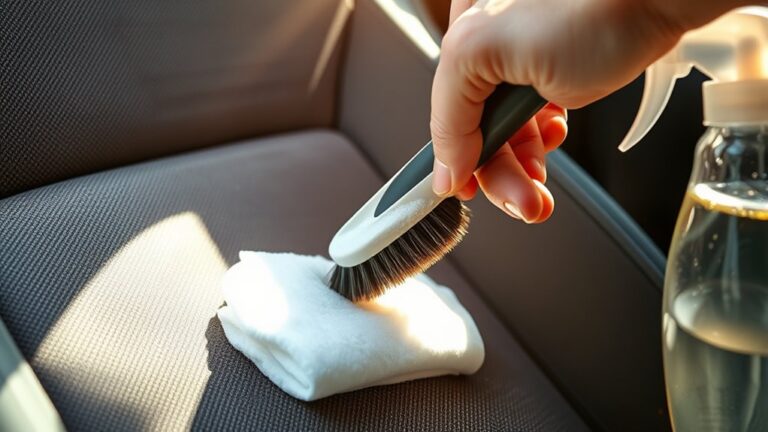
Preparing for a winter car wash requires just a few essential cleaning supplies to guarantee your vehicle stays in top shape. Start with a high-quality car wash soap that’s effective in cold temperatures. Look for a soft sponge or microfiber mitt to avoid scratches while using proper cleaning techniques.
A sturdy bucket and a grit guard will help keep dirt at the bottom, ensuring a safer wash. Don’t forget a good tire cleaner and a wheel brush; winter road grime can be tough to remove.
Finally, a drying towel made from microfiber will help you avoid water spots. With these supplies, you’ll tackle those winter considerations with ease, keeping your vehicle looking great all season long.
Protective Gear Required
To guarantee a comfortable winter car wash, you’ll need the right protective gear. The cold can be harsh, so don’t skip these essentials:
- Thermal Clothing: Wear layered thermal clothing to keep your body heat in and the cold out.
- Protective Gloves: Get a pair of waterproof, insulated protective gloves to keep your hands warm and dry while you work.
- Waterproof Boots: Invest in waterproof boots to make certain your feet stay dry and insulated from snow or slush.
- Warm Hat: A snug, warm hat helps maintain body heat and keeps your head protected from the chill.
With the right gear, you can make your winter car wash a more enjoyable experience and protect yourself from the elements.
How Warm Water Enhances Cleaning
Warm water can make a significant difference in your car washing routine during winter. When you use warm water, you’ll notice it effectively loosens dirt, grime, and road salt that can cling to your car. This is especially important in colder months when ice and snow can create extra mess.
The warm water benefits include better soap activation, allowing it to work more efficiently at an effective temperature. Additionally, warm water helps prevent any potential freezing of water on your car’s surface. When temperatures drop, cold water can freeze quickly, leading to streaks and spots.
Protect Your Finish With Wax
To keep your car’s finish looking great all winter, applying wax is essential. It’s not just about looks—wax creates a protective barrier against harsh weather. Plus, it really boosts the shine. So, let’s take a closer look at the best wax products to help you maintain that glossy look.
Importance Of Waxing
While winter can be tough on your car’s exterior, applying a good coat of wax offers essential protection against harsh elements. Waxing benefits your vehicle in several ways, ensuring it stays looking great even in frigid temperatures. Here’s why you should prioritize wax application this season:
- Protects Against Salt: Wax forms a barrier against corrosive road salt.
- Repels Water: A waxed surface prevents water from sticking, reducing ice buildup.
- Enhances Shine: Wax gives your car a glossy finish, making it look well-maintained.
- Eases Cleaning: A waxed finish allows dirt and grime to be wiped off more easily.
Don’t skip waxing during winter; it’s your car’s armor against the elements!
Best Wax Products
Choosing the right wax can make all the difference in protecting your car’s finish throughout winter. With various car wax types available, it’s vital to pick one that suits your needs. Whether you prefer a spray, paste, or liquid wax, each has its benefits.
Proper wax application is essential to guarantee a durable protection layer against harsh winter elements.
Here’s a quick comparison of some popular wax products:
| Wax Type | Pros | Cons |
|---|---|---|
| Spray Wax | Quick application | Shorter durability |
| Paste Wax | Long-lasting protection | More time-consuming |
| Liquid Wax | Easy to apply | May require multiple coats |
Investing in a quality wax will keep your car shining and shielded all winter long.
Essential Areas to Clean: Wheels and Undercarriage
When winter hits, cleaning your car’s wheels and undercarriage becomes essential for maintaining its performance and longevity. Salt and grime can accumulate, leading to corrosion and affecting your vehicle’s functionality. Focus on these key areas for effective wheel maintenance and undercarriage protection:
Cleaning your car’s wheels and undercarriage in winter is vital to prevent corrosion and ensure optimal performance.
- Wheels: Rinse thoroughly to remove road salt and brake dust. Use a dedicated wheel cleaner to break down tough grime.
- Tires: Inspect for any damage or wear while cleaning. This helps guarantee safe winter driving.
- Undercarriage: Spray the undercarriage with a high-pressure washer to remove build-up. Pay special attention to areas where salt might cling.
- Wheel Wells: Don’t forget these! Clear out dirt and debris to prevent rust and maintain clean aesthetics.
Why You Should Avoid Harsh Chemicals
Using harsh chemicals to clean your car in winter might seem effective, but it can cause more harm than good. These chemicals can strip away protective wax coatings, leaving your paint vulnerable to the elements. Instead of risking damage, consider using chemical alternatives that are specifically designed for winter conditions.
Winter soap is formulated to break down grime without harsh ingredients, ensuring your car stays clean and protected. Plus, these gentler options are often biodegradable, making them safer for the environment.
When you choose milder products, you’re not just preserving your car’s finish; you’re also protecting your health and the local ecosystem. By opting for chemical alternatives, you can effectively clean your vehicle while minimizing potential harm. So next time you wash your car, reach for that winter soap and keep your ride looking great without the risks associated with harsh chemicals.
How to Dry Your Car to Prevent Ice Buildup
When you wash your car in winter, drying it properly is really important to stop ice from building up. Use microfiber towels—they do a great job of soaking up moisture without scratching your car’s surface.
And don’t forget to pay attention to those hidden spots where water can hide. These areas are often the most likely to freeze, so make sure they’re dry too!
Use Microfiber Towels
Microfiber towels are your best ally for drying your car in winter. Their unique fibers trap moisture effectively, preventing ice buildup. Here are some key microfiber benefits and towel types to evaluate:
- Absorbency: Microfiber towels can hold up to seven times their weight in water.
- Softness: They’re gentle on your car’s surface, reducing the risk of scratches.
- Durability: High-quality microfiber towels withstand multiple washes and still perform well.
- Versatility: Use them for drying, polishing, or even cleaning interior surfaces.
Focus On Hidden Areas
How do you guarantee every nook and cranny of your car is dry during winter? Focus on those hidden nooks where water can accumulate and freeze.
After washing, use a microfiber towel to dry key areas, especially around door seals and undercarriage, where winter debris often hides.
Here’s a quick guide to help:
| Area to Dry | Tips | Importance |
|---|---|---|
| Door Jambs | Wipe thoroughly | Prevents freeze |
| Wheel Wells | Use a long towel | Avoids rust |
| Underbody | Spray out excess water | Reduces ice buildup |
| Headlights & Taillights | Verify no moisture inside | Improves visibility |
The Benefits of Touchless Car Washes
While winter can be tough on your vehicle, opting for a touchless car wash offers a convenient solution to keep your car looking its best. The benefits explained include:
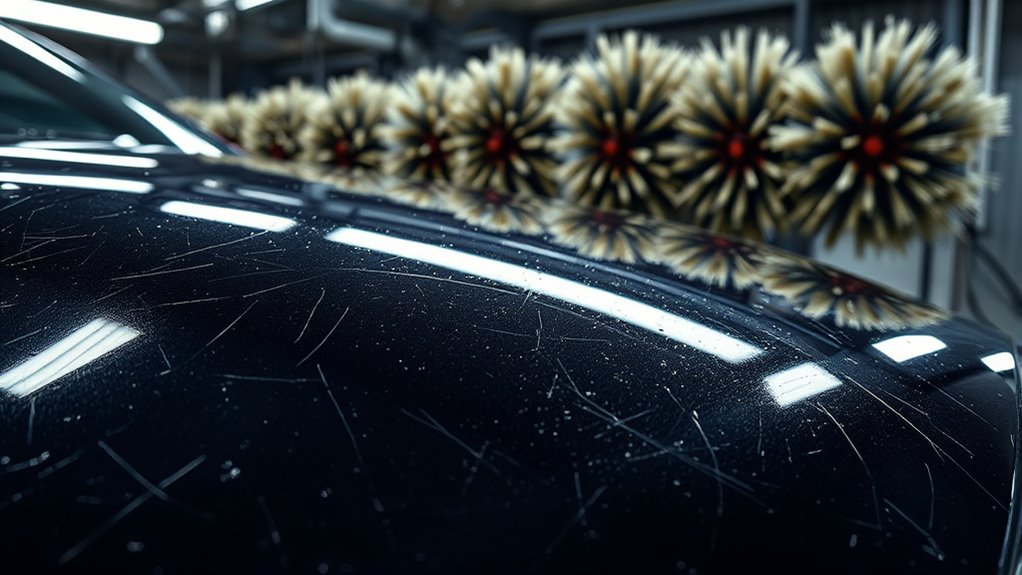
- Scratch-Free Cleaning: Without brushes or sponges, there’s no risk of scratching your paint.
- Efficient Water Use: Touchless washes often use less water than traditional methods, minimizing environmental impact.
- Quick Process: You can get in and out faster, saving you time in the cold.
- Effective Dirt Removal: High-pressure sprays and specialized detergents effectively remove road salt and grime.
In the harsh winter months, maintaining your vehicle’s appearance becomes essential. Choosing touchless car washes not only preserves your car’s finish but also contributes to a cleaner environment. So, the next time you face winter weather, consider this hassle-free option to keep your vehicle shining!
Stay Warm While Washing Your Car
When winter’s chill sets in, staying warm during a car wash can make the experience much more enjoyable. Start by using warm water for rinsing and washing. It not only helps to dissolve grime but also keeps your hands from freezing.
Before you jump in, grab a pair of winter gloves. They’ll protect your hands from the cold while allowing you to maintain grip on the sponge or brush.
Consider wearing thermal layers to keep your core warm, and don’t forget a hat to retain heat. If possible, choose a day when temperatures are a bit milder, making your task more bearable.
You might also want to break the task into shorter intervals; this way, you can warm up inside your home between washes. By taking these steps, you can make washing your car in winter a more pleasant and comfortable experience.
How to Maintain Regular Winter Car Washes
Keeping your car clean during winter is essential for both aesthetics and maintenance. Regular washes help remove road salt and grime that can damage your vehicle. To maintain a consistent winter wash frequency, follow these car wash tips:
Keeping your car clean in winter is crucial for maintenance and aesthetics, preventing damage from road salt and grime.
- Wash Every Two Weeks: Aim for at least bi-weekly washes, especially after snow or ice storms.
- Choose the Right Time: Wash on milder days to prevent freezing and guarantee thorough drying.
- Focus on Underbody Cleaning: Pay special attention to the undercarriage to remove salt buildup that can cause rust.
- Use a High-Quality Wax: Applying wax after washing creates a protective barrier against harsh winter elements.
Frequently Asked Questions
Can I Wash My Car in Freezing Temperatures?
Yes, you can wash your car in freezing temperatures, but you need to use specific car wash techniques. Opt for a touchless wash to minimize water exposure and avoid freezing. Use lukewarm water to prevent ice from forming on your vehicle.
Be sure to dry your car thoroughly afterward, especially around door seals and locks. These winter cleaning tips can help keep your car looking good while avoiding damage from the cold.
How Often Should I Wash My Car in Winter?
You should wash your car every two weeks during winter. Regular car maintenance is essential, especially in harsh conditions. Salt and grime can accumulate quickly, leading to rust and damage.
Is It Safe to Wash My Car at Home in Winter?
Absolutely, you can wash your car at home in winter, just like a knight preparing for battle. But you need to take winter precautions. Use warm water to prevent freezing and avoid washing in sub-zero temperatures.
Choose a spot where water won’t freeze on the ground, and use a quality wax afterward to protect your paint. With a little care, your car can shine bright against the winter landscape!
Should I Use Ice Melt Products Before Washing My Car?
You shouldn’t use ice melt products before washing your car, as they can harm your vehicle’s paint. Instead, consider ice melt alternatives like sand or kitty litter, which won’t damage the finish.
Washing your car helps remove any residual chemicals, but starting with the right materials prevents potential issues. Keeping your car clean is important, so focus on safe methods to keep both your vehicle and its paint in great condition.
What Should I Do if My Car Freezes During Washing?
If your car freezes during washing, stop immediately. Check for frozen hoses; they might need thawing before you continue. Use warm water instead of hot, as it can avoid further freezing.
Try gentle washing techniques, like rinsing the car with a hose at a safe distance to minimize ice formation. Once you’ve thawed the hoses and car, finish washing promptly to prevent any more freezing issues.
Always prioritize safety!
Conclusion
Washing your car in winter might feel like a chore, but it’s like giving your vehicle a warm welcome against the bitter cold. Just as a cozy sweater protects you from harsh winds, regular washes shield your car from salt and grime.
Remember, a clean car not only looks good but also lasts longer. So, accept the chill and make winter washes a routine. Your car deserves it, and you’ll appreciate the difference when spring rolls around with proper winter car washing!