What Happens If You Use Dish Soap to Wash Your Car?
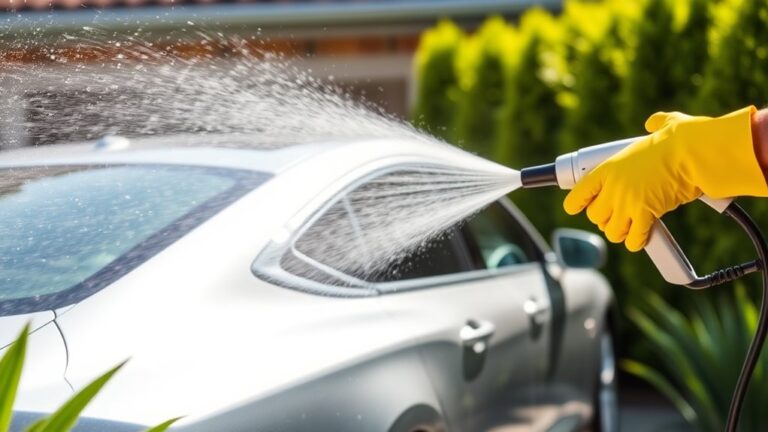
Washing your car can feel like a never-ending chore, especially when you want it to look spotless but worry about damaging the paint or finish. You’re not alone—many people struggle with finding the right products that clean effectively without causing harm.
Choosing the wrong soap is a common mistake that can lead to frustrating results, but don’t worry, we’ve got you covered with some great options.
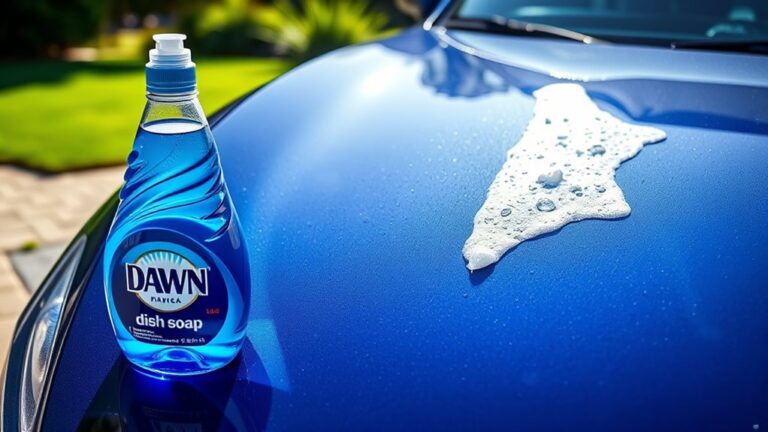
Using dish soap to wash your car can seriously harm its paint and finish. It strips away essential wax and protective coatings, leaving your car vulnerable to scratches and fading.
The harsh chemicals in dish soap can also damage rubber seals and trim, leading to costly repairs. Plus, it affects water beading, allowing dirt to cling more easily.
If you’re curious about safe washing alternatives and best practices, you’ll find plenty of helpful insights ahead.
Key Takeaways
- Using dish soap strips away essential wax and protective coatings, leaving paint vulnerable to environmental damage. This can expose your car to the elements more than you’d expect.
- The removal of wax results in a dull appearance and reduces how well polish applications work. Your car might lose that shiny, freshly-waxed look faster than usual.
- Dish soap can also deteriorate rubber seals and fade trim, which over time leads to brittleness and cracking. These parts are easy to overlook but important for your car’s overall condition.
- Signs of damage from dish soap include dullness, a rough texture, tiny scratches, and increased dirt buildup. These issues might not show up immediately but become more noticeable with regular use.
- Experts recommend using pH-balanced, biodegradable car wash soaps made specifically for automotive finishes. This helps you avoid these problems and keeps your car looking great longer.
Why You Should Avoid Dish Soap for Car Washing
While it might seem convenient to use dish soap for washing your car, you should really think twice before doing so. Dish soap isn’t formulated for automotive finishes, and it can strip away essential wax and protective coatings. This leaves your paint vulnerable to the elements, which isn’t ideal for long-term car maintenance.
Instead, consider eco-friendly alternatives specifically designed for cars. These products not only clean effectively but also help maintain your vehicle’s shine without damaging the surface.
Incorporating these car maintenance tips into your routine can save you money in the long run. By using the right products, you guarantee your car remains in top condition while being kind to the environment.
How Dish Soap Affects Car Paint and Finish
Using dish soap on your car might seem like a quick fix, but it can actually strip away the protective wax. When that wax is gone, your paint becomes vulnerable. And that’s not good because it leaves your car exposed to all sorts of environmental damage.
Over time, this can lead to the paint deteriorating, which is the last thing you want. So, it’s really important to pick the right kind of car wash soap. That way, you keep your car’s finish looking great and its shine intact.
Strips Protective Wax
When you wash your car with dish soap, you might unknowingly strip away the protective wax that keeps your paint looking pristine. Dish soap is designed to cut through grease and grime, which means it can easily break down the wax that improves your car’s shine and protects its surface.
This reduction in wax longevity exposes your paint to environmental elements like UV rays and pollutants, which can lead to fading and damage over time. Without those protective coatings, you might find yourself needing more frequent waxing or even facing costly paint repairs.
To maintain your car’s finish, stick to soaps specifically formulated for automotive use. This way, your protective layer stays intact and your vehicle looks its best.
Causes Paint Damage
Even though dish soap may seem like a quick and easy solution for washing your car, it can actually cause significant paint damage. The harsh chemicals in dish soap strip away essential oils and waxes designed to protect your vehicle’s finish.
This compromises the surface integrity, making your car more susceptible to scratches, fading, and oxidation. Over time, this can drastically reduce paint longevity, leading to costly repairs or a premature repaint.
Instead of using dish soap, opt for a dedicated car wash soap that’s formulated to clean effectively without harming your paint. Protect your investment by choosing the right products that maintain your car’s appearance and extend its life.
How Dish Soap Compromises Wax Protection
When you wash your car with dish soap, you’re actually stripping away those important wax layers that protect your paint. And when that happens, your car becomes more vulnerable to damage. Plus, it doesn’t look as shiny as you’d like. Over time, you might start to notice your car looking dull and unprotected. It’s like taking away its natural armor. So, it’s better to use a soap that’s made specifically for cars to keep that shine and protection intact.
Stripping Wax Layers
Using dish soap to wash your car can strip away the protective wax layers you’ve applied. This not only reduces the wax’s longevity but also compromises your vehicle’s surface protection.
Dish soaps are designed to cut through grease, making them too harsh for automotive finishes. When you use them, you risk removing essential wax that shields your paint from dirt and UV rays.
| Effect | Description | Impact on Car |
|---|---|---|
| Wax Removal | Dish soap dissolves wax layers | Reduced shine |
| Surface Damage | Harsh ingredients can scratch paint | Increased wear |
| Longevity Impact | Frequent use leads to faster wax wear | More frequent reapplication |
| Protection Loss | Exposed paint is vulnerable to elements | Higher risk of damage |
| Cost Increase | More frequent detailing needed | Increased expenses |
Reducing Shine Quality
Stripping away your car’s protective wax layers not only exposes the paint but also diminishes its shine. When you use dish soap, you’re removing essential oils that contribute to that glossy finish.
Without these oils, your car’s surface becomes dull and lifeless, making shine restoration more challenging. You may think a polish application will fix this, but it’s not that simple.
The lack of a solid wax foundation means the polish can’t adhere properly, leading to uneven results. Plus, the paint is now more vulnerable to environmental damage, which can further dull its appearance.
To keep your car looking its best, stick to products specifically designed for automotive cleaning and maintain your wax layers.
Comparing pH Levels: Dish Soap vs. Car Wash Soap
While you might think dish soap is a quick fix for washing your car, its pH level can tell a different story. Dish soaps usually have a higher pH, which can disrupt the pH balance required for effective cleaning. This imbalance affects soap composition and can lead to poor performance in reducing surface tension, ultimately diminishing cleaning efficacy.
Here’s a comparison of pH levels:
| Soap Type | pH Level |
|---|---|
| Dish Soap | 8-10 |
| Car Wash Soap | 6-7 |
| Eco-Friendly Soap | 6-7 |
| Laundry Detergent | 9-11 |
| pH Neutral Soap | 7 |
Using dish soap might seem convenient, but its environmental impact and potential for damage far outweigh any user convenience. Proper car wash soaps maintain a safer pH balance, ensuring both your car and the environment stay protected.
Damage Dish Soap Can Inflict on Rubber and Trim
Using dish soap on your car can actually cause some serious problems with the rubber seals and trim. It strips away the essential oils that keep the rubber flexible, which means the rubber can start to break down over time.
Plus, you’ll probably notice the trim fading, making your car look a bit worse for wear. So, it’s really better to avoid dish soap and stick to products made specifically for cars.
Deterioration of Rubber Seals
Dish soap can wreak havoc on your car’s rubber seals and trim, causing them to deteriorate faster than you might expect. The harsh chemicals in dish soap lead to rubber degradation, ultimately compromising seal longevity. Here’s how it happens:
- Chemical Breakdown: The surfactants in dish soap can break down rubber compounds, making them brittle and prone to cracking.
- Loss of Flexibility: Prolonged exposure to these chemicals can strip rubber of its natural oils. This reduces flexibility and leads to premature wear.
- Increased Maintenance Costs: Damaged seals require more frequent replacements or repairs, which can cost you more over time.
Fading Trim Appearance
If you wash your car with dish soap, you might notice your trim losing its vibrant color over time. Dish soap contains harsh detergents that strip away essential oils, leading to fading and dullness. Over time, this can result in permanent damage, making trim restoration a necessary, often costly, process.
To avoid this, consider using a dedicated car wash soap designed to be gentle on your vehicle’s surfaces. Regular maintenance tips include applying a trim protectant that helps guard against UV rays and environmental factors. This way, you can keep your trim looking fresh and new for longer, saving you from the hassle and expense of restoration down the line. Prioritize proper cleaning products to protect your car’s appearance.
Why Dish Soap Affects Water Beading
While many might think that any soap can clean their car, the truth is that dish soap greatly alters water beading on the surface. Its harsh ingredients strip away wax and sealants, directly affecting how water interacts with your car’s paint. When you wash with dish soap, you compromise the beading properties that help repel water, leaving your car vulnerable to contaminants.
Here are three ways dish soap impacts water beading:
- Strips Protective Layers: The surfactants in dish soap remove protective wax, leading to less effective water beading.
- Alters Surface Tension: Dish soap changes the surface tension of water, causing it to sheet rather than bead.
- Increases Vulnerability: Without proper protection, your car’s finish becomes more susceptible to damage from dirt and grime.
In the end, using dish soap can leave your car less protected and more challenging to clean.
Alternatives to Dish Soap for Home Car Washing
Using dish soap might seem like a quick fix for car washing, but there are better options that won’t harm your vehicle’s protective layers. Consider using car-specific soap, formulated to clean effectively without stripping wax or sealants. These products often come in eco-friendly options, ensuring you’re not harming the environment while you wash.
If you’re looking for a more convenient route, commercial carwash alternatives exist that offer thorough cleaning without you lifting a finger. Many of these facilities use biodegradable soaps that protect your car’s finish and the planet.
You might also investigate homemade solutions, like mixing vinegar and water or using baking soda. These natural ingredients can help lift dirt without damaging your car. Whichever route you choose, you’ll keep your vehicle looking great while preserving its protective coatings.
Best Practices for Safe Car Washing
When washing your car, following a few best practices can make all the difference in maintaining its appearance and finish. Using safe washing techniques not only protects your vehicle but also the environment. Here are some tips to keep in mind:
- Choose Eco-Friendly Detergents: Opt for biodegradable car wash soaps that won’t harm your car’s finish or the ecosystem. These products are specifically designed for automotive cleaning.
- Work in the Shade: Washing your car in direct sunlight can cause soap and water to dry too quickly, leading to streaks. So, find a shaded area to keep your car cool during the wash.
- Use Two Buckets: One for soapy water and one for rinsing your sponge or mitt. This method helps prevent dirt from scratching your car’s surface and ensures a thorough clean without damage.
Signs You’Ve Damaged Your Car’s Finish With Dish Soap?
Have you noticed dullness or a lack of shine after washing your car with dish soap? That’s a clear sign you’ve damaged your car’s finish. Dish soap isn’t designed for automotive paint and can strip away essential wax and protective coatings, leading to a loss of gloss.
If your car’s surface feels rough or gritty, it may indicate that the dish soap has compromised its protective layer. Look for signs of fading or discoloration, too; this often points to a breakdown in paint preservation.
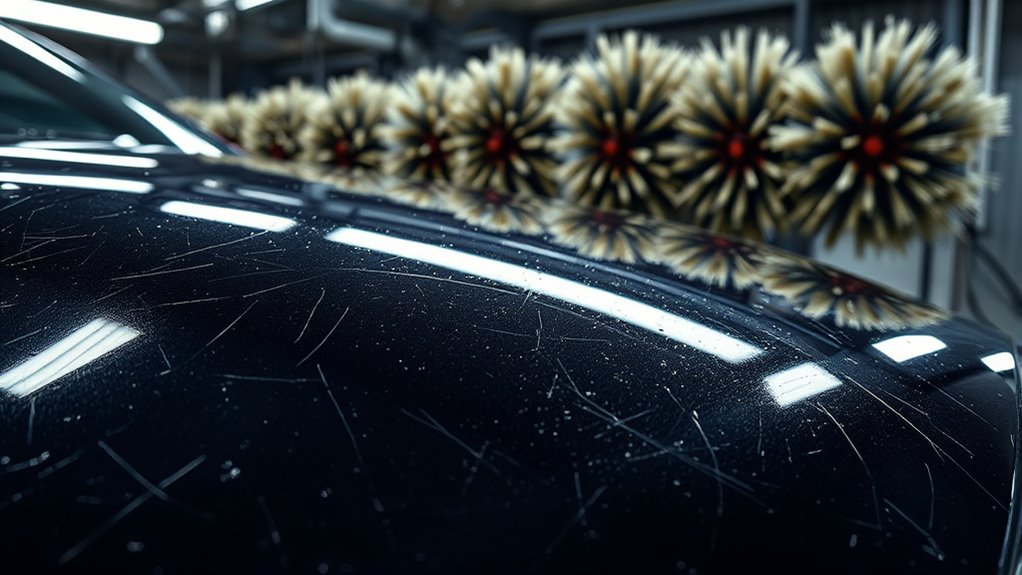
Moreover, if you see tiny scratches or swirl marks, that’s another warning sign your finish is suffering. Restoring your car’s finish can be costly and time-consuming, so it’s best to avoid these issues altogether.
Regularly using the right products will help maintain your car’s appearance and keep it looking its best.
Expert Recommendations for Car Wash Products
To protect your car’s finish and keep it looking pristine, investing in quality car wash products is key. Choosing the right products not only maintains your vehicle’s appearance but also guarantees you’re using safe ingredients.
Investing in quality car wash products is essential for maintaining your vehicle’s appearance and protecting its finish.
Here are three expert recommendations:
- Premium Car Wash Soap: Look for well-known brands that specialize in car care. These soaps are pH-balanced and gentle on your car’s finish.
- Eco-Friendly Options: Consider biodegradable car wash products. They clean effectively without harming the environment, making them a smart choice for eco-conscious drivers.
- Detailing Spray: After washing, use a high-quality detailing spray to improve shine and protection. It helps repel dirt and water, keeping your car cleaner for longer.
Frequently Asked Questions
Can I Use Dish Soap in a Foam Cannon?
You shouldn’t use dish soap in a foam cannon. While it might create some foam, it can damage your car’s paint and strip off essential wax.
Instead, opt for car-specific soaps designed for foam cannons. These alternatives not only boost foam cannon effectiveness but also protect your vehicle’s finish.
Using the right product guarantees a thorough clean without risking harm, giving you peace of mind while washing your car.
How Often Should I Wash My Car to Avoid Damage?
You wouldn’t let dirt pile up on your favorite shirt, right? Just like that, you should wash your car every two weeks to keep it looking sharp and maintain its finish.
Regular washing helps prevent grime buildup and protects your paint. If you live in a harsh environment, consider washing more frequently.
Remember these car maintenance tips: a clean car not only looks great but also lasts longer!
What Are the Long-Term Effects of Using Dish Soap?
Using dish soap regularly can lead to long-term effects like surface degradation and reduced paint protection. The harsh chemicals strip away wax and protective coatings, making your car more vulnerable to UV rays, dirt, and contaminants.
Over time, you might notice dull paint and increased susceptibility to scratches. To keep your car looking great, stick to products designed specifically for automotive care that preserve your vehicle’s finish and protection.
Is There a Specific Type of Dish Soap That’s Less Harmful?
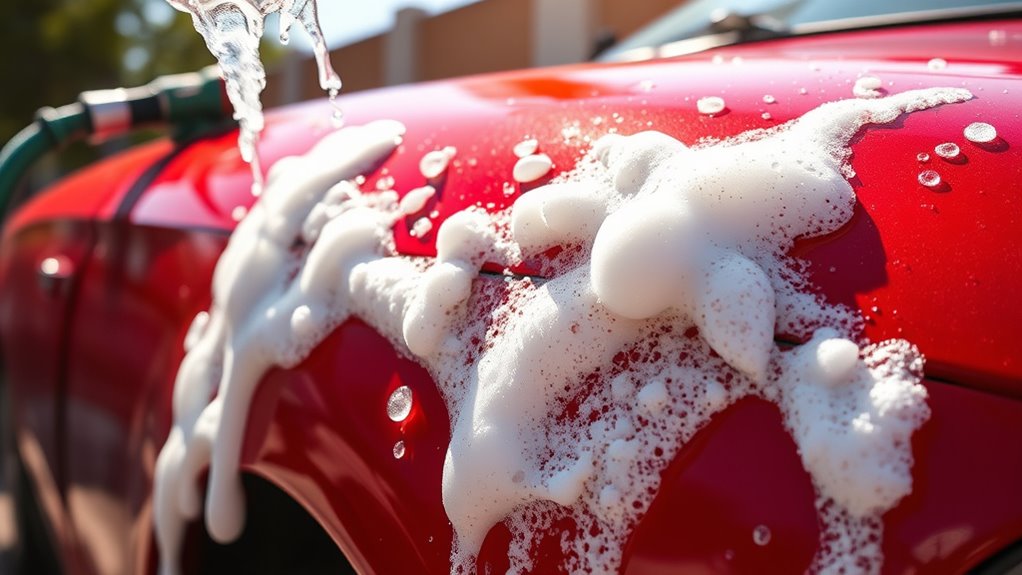
When you’re standing under the sun, soap bubbles dance like tiny fairies around your car. While there isn’t a dish soap that’s truly safe for your vehicle, you can investigate eco-friendly options designed for washing cars.
Look for biodegradable car shampoos that gently cleanse without harming your paint or the environment. These safe alternatives not only protect your ride but also keep Mother Nature smiling, making your car wash a guilt-free experience.
How Can I Tell if My Car’s Paint Is Damaged?
To tell if your car’s paint is damaged, start with a thorough paint inspection. Look for surface scratches, which can often be felt with your fingernail.
If you notice dull spots or discoloration, that might indicate deeper damage. In bright sunlight, check for any inconsistencies in the paint’s sheen.
Don’t forget to inspect areas around door handles and bumpers where wear is common. Regular checks can help you spot issues early.
Conclusion
So, if you’re itching to scrub your car with dish soap, just remember: it’s like using a sledgehammer to hang a picture. Sure, it’ll get the job done, but at what cost? You’re risking your car’s paint, wax, and rubber bits for the sake of a few dirty dishes.
Instead, treat your car to a proper wash product and save the dish soap for its intended purpose. Your car deserves better than a soap meant for greasy plates, so avoid using dish soap to wash your car and keep it looking great.