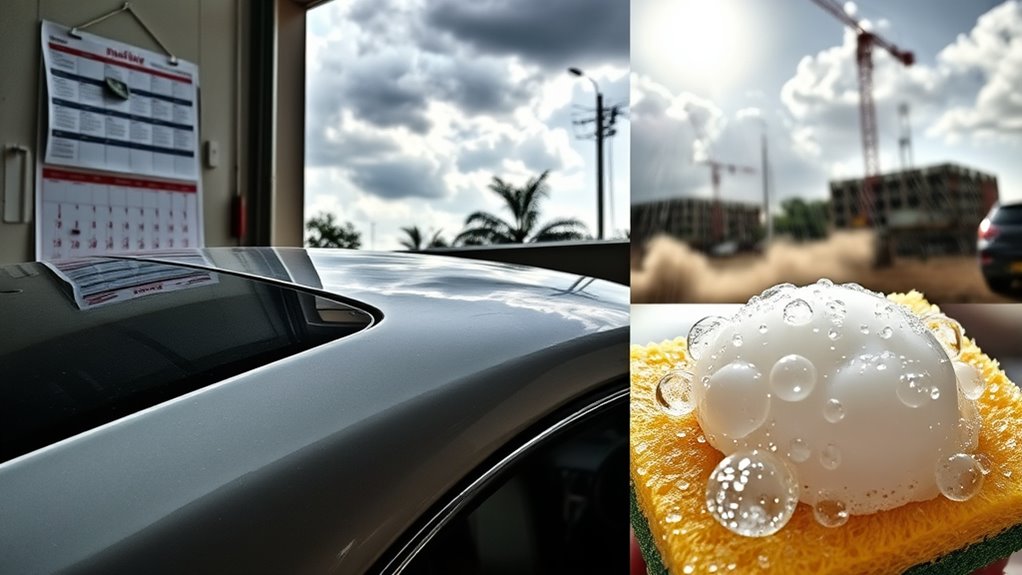
What Factors Determine How Often You Should Wash Your Car?
Struggling to keep your car looking clean and fresh? You’re not alone. Many people find it tough to figure out how often they should wash their car without wasting time or effort.
Understanding the right washing routine can save you frustration and keep your ride shining longer.
The frequency you should wash your car depends on several key factors. Weather conditions play a big role; rain, snow, and road salt can accelerate dirt buildup.
Your location also matters. Urban areas face more pollution than rural ones. Daily driving habits, like taking short trips or driving through construction zones, can increase dirt accumulation.
Seasonal changes and road types further affect how often you need to clean your vehicle.
Learn more about these factors to keep your car looking its best.
Key Takeaways
- Weather Conditions: Rain, snow, and road salt can accumulate dirt. This means you’ll need to wash your car more often to protect its paint and finish.
- Driving Habits: Short trips and heavy traffic make your car get dirty faster. On the other hand, highway driving usually results in less grime buildup.
- Seasonal Changes: In spring and winter, you’ll want to wash your car more frequently to get rid of road salt and grime. During summer, dust and pollen are the main concerns.
- Location: If you live in an urban area with pollution and construction, you’ll need to wash your car more regularly than if you’re in a rural spot.
- Car Color: Darker colors show dirt quickly, so you might wash those cars more often. Lighter colors tend to hide dirt better.
How Weather Conditions Affect Car Wash Frequency
When it pertains to washing your car, weather conditions play an essential role in determining how often you should do it. For instance, if it’s rainy, you might think you can skip a wash, but rain effects can actually leave dirt and grime on your vehicle. The acidity in rainwater can harm your car’s paint if it sits too long.
Temperature fluctuations also matter. In colder months, salt from roads can cling to your car, leading to rust if not cleaned regularly. Conversely, hot temperatures can cause bird droppings or tree sap to bake into the paint, making it tougher to remove later.
How Your Location Influences Washing Needs
Your location considerably impacts how often you need to wash your car, as different environments present unique challenges. If you live in a bustling city, urban pollution can coat your vehicle in grime and dirt. This means you’ll need more frequent washes to keep its appearance and protect the paint.
Dust, soot, and chemicals can accumulate quickly, so regular cleaning is essential. On the other hand, if you’re in a rural area, you might face different issues. Local wildlife can leave droppings or debris on your car, which can damage the finish if not cleaned promptly.
Also, dirt roads can contribute to a muddy exterior, so you’ll need more washes after off-road adventures.
How Your Daily Driving Affects Car Cleanliness
Daily driving habits greatly influence how clean your car stays. Your commuting habits and the type of roads you drive on can notably affect the grime and dirt accumulation. Here are a few factors to take into account:
- Frequency of short trips: Quick errands can leave dirt and debris that don’t get washed away.
- Traffic exposure: Heavy traffic can lead to more dust and pollutants settling on your vehicle.
- Weather conditions: Rain, snow, or high winds can impact how often you need to wash your car.
If you find yourself driving through construction zones or areas with a lot of dust, your car may need more frequent washes. Likewise, if your commute involves long highway drives, you might notice less grime. Pay attention to these factors to maintain your car’s appearance and protect its finish.
Why Different Road Types Matter for Your Car’s Appearance
Different types of roads can greatly impact your car’s appearance and cleanliness. If you frequently drive on gravel roads, you’ll notice dust and grime accumulating quickly. This makes it essential to wash your car more often.
Urban driving exposes your vehicle to pollutants and road salt, which can lead to corrosion if not cleaned regularly. In contrast, highway travel tends to keep your car cleaner since you’re mostly shielded from debris and dirt. But you still need to address bugs and road grime that accumulate over time.
Off-road conditions are a different story. Mud and dirt can cling stubbornly to your vehicle, requiring immediate attention to prevent damage. Each road type presents unique challenges that affect how often you should wash your car. By understanding these factors, you can maintain your car’s appearance and protect its finish effectively.
Seasonal Tips for Washing Your Car
As seasons change, so do the conditions that affect how often you should wash your car. Each season brings unique challenges. Adjusting your washing routine can help maintain your vehicle’s appearance and longevity.
Spring Cleaning: After winter, your car may be covered in road salt and grime. A thorough wash can remove these harmful substances and prevent rust.
Summer Heat: Dust and pollen can accumulate quickly in warmer months. Regular washes help keep your paint job pristine and protect against UV damage.
Winter Maintenance: With snow and ice, your car might face road salt and slush. Aim for frequent washes to keep the undercarriage clean and reduce corrosion.
How Car Color Affects Visible Dirt and Maintenance
Car color plays a significant role in how visible dirt and grime are on your vehicle. Lighter colors, like white and silver, tend to hide dirt better than darker shades, making them look cleaner for longer.
If your car’s dark blue or black, you might notice the dirt more quickly, which could increase your maintenance frequency. The contrast between dark colors and dust can be stark, prompting you to wash your car sooner.
Additionally, vibrant colors like red or yellow may show dirt differently. They can appear dirtier than lighter shades but are often easier to maintain than darker colors. You’ll find yourself washing your car more frequently if you want to keep that glossy finish.
Ultimately, considering your car’s color can help you gauge how often to give it a wash, ensuring it always looks its best while protecting its paint.
Why Salt and Sand Are Bad for Your Car in Winter
While winter brings the joy of snow and festive vibes, it also introduces salt and sand, which can wreak havoc on your vehicle. These materials are essential for traction but can cause considerable issues if not managed properly. Here’s why you should be concerned:
- Salt Damage: Salt can corrode your vehicle’s metal parts, leading to costly repairs.
- Rust Prevention: Regular washing helps remove salt and moisture, considerably reducing rust risk.
- Undercarriage Care: The undercarriage is especially vulnerable; neglecting it can lead to long-term damage.
Effective winter maintenance involves washing your car frequently to combat these hazards. Pay extra attention to the undercarriage, as that’s where salt accumulates most. If you want your vehicle to last, don’t let winter’s elements take a toll. Invest time in washing and protecting your car to guarantee it stays in prime condition.
Choosing the Best Type of Car Wash for Your Needs
How do you decide on the best car wash for your needs? Start by considering wash frequency and your schedule. If you’re short on time, touchless washes can save you the hassle while protecting your car’s finish. For those who enjoy a hands-on approach, self-service options let you take control, and they’re often budget-friendly.
Think about convenience factors too. Mobile detailing services bring the car wash to you, perfect for busy lifestyles. If you’re environmentally conscious, look for washes that use eco-friendly products, ensuring your car shines without harming the planet.
Lastly, weigh your budget considerations. While some options might be pricier, they could save you time in the long run. By balancing these elements, you’ll find a car wash solution that fits both your needs and your lifestyle.
How to Know When Your Car Needs a Wash?
Wondering when it’s time to give your car a wash? Look out for these wash signs that indicate your vehicle could use some TLC:
- Dirt Accumulation: If your car’s paint starts to look dull or you notice layers of grime, it’s definitely time to wash.
- Bird Droppings or Tree Sap: These substances can damage your paint if left too long. Don’t ignore them!
- Salt Residue: After winter or driving on salted roads, wash off any salt that can lead to rust.
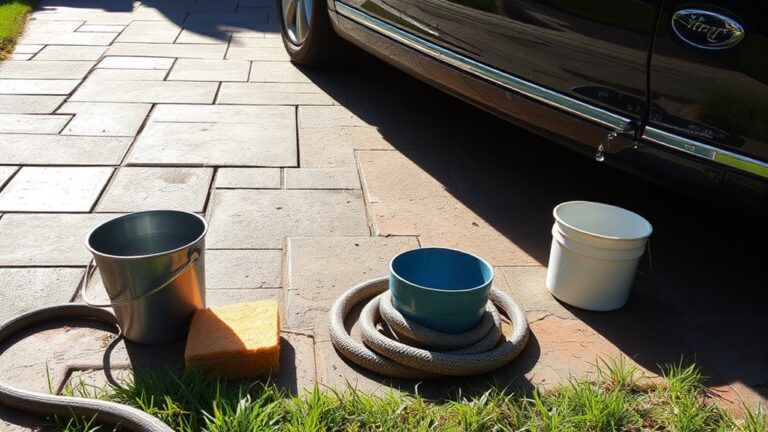
Keeping an eye on these elements will help you maintain your car’s appearance and protect its finish. Regularly washing your car not only improves its look but also preserves its value over time. So, next time you spot dirt accumulation or other wash signs, don’t hesitate to grab that sponge and bucket or head to your local car wash!
Tips for Keeping Your Car Clean Between Washes
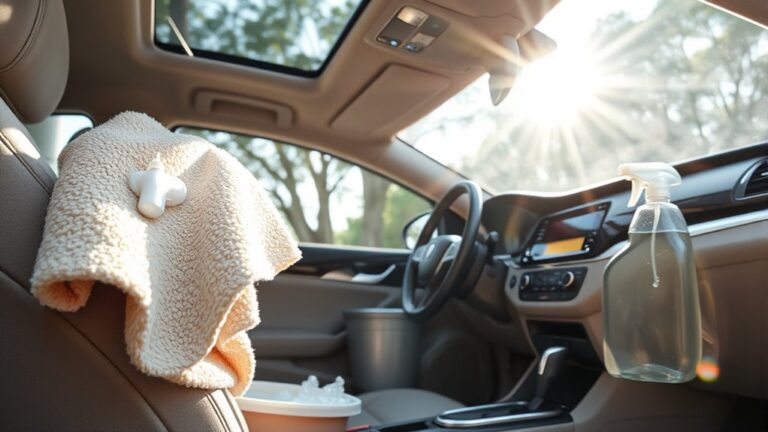
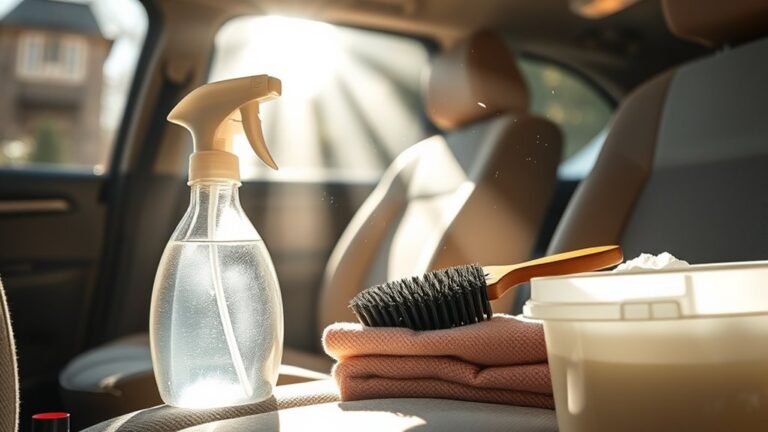
To keep your car looking sharp between washes, you should regularly take a few simple steps. Start with interior cleaning; a quick vacuum and wipe-down can make a big difference. Use microfiber cloths to avoid scratches and dust buildup.
Furthermore, consider applying protective coatings on the exterior. These coatings can help repel dirt and grime, making it easier to maintain your car’s shine.
Here’s a quick reference table to help you stay on top of your car care routine:
| Task | Frequency | Purpose |
|---|---|---|
| Interior Cleaning | Weekly | Keeps the interior fresh |
| Exterior Quick Wash | Bi-weekly | Removes surface dirt |
| Protective Coating | Every 3-6 months | Shields paint from damage |
Frequently Asked Questions
How Does My Car’s Age Affect Washing Frequency?
Your car’s age greatly affects how often you should wash it. Older cars may have more vulnerable paint, so regular washing helps maintain paint protection and prevents deterioration.
If your car’s aged, dirt and pollutants can cause damage more easily, making frequent washes essential for car maintenance. For newer vehicles, you might wash less often, but keeping it clean still protects that fresh finish.
Stay proactive to extend your car’s lifespan and appearance.
Can Washing My Car Too Often Damage the Paint?
Yes, washing your car too often can indeed damage the paint. Ironically, in your quest for a spotless shine, you might strip away protective layers.
Using harsh wash techniques or abrasive materials can lead to scratches and dullness, undermining paint preservation. Instead, focus on gentle methods and balance. Washing as needed maintains that glossy finish without compromising your car’s integrity.
Sometimes, less really is more regarding car care!
Is It Better to Wash My Car by Hand or Use a Machine?
It’s often better to wash your car by hand. Hand washing lets you control every detail, so you can avoid scratches and guarantee a thorough clean. Plus, you can pay extra attention to tricky spots.
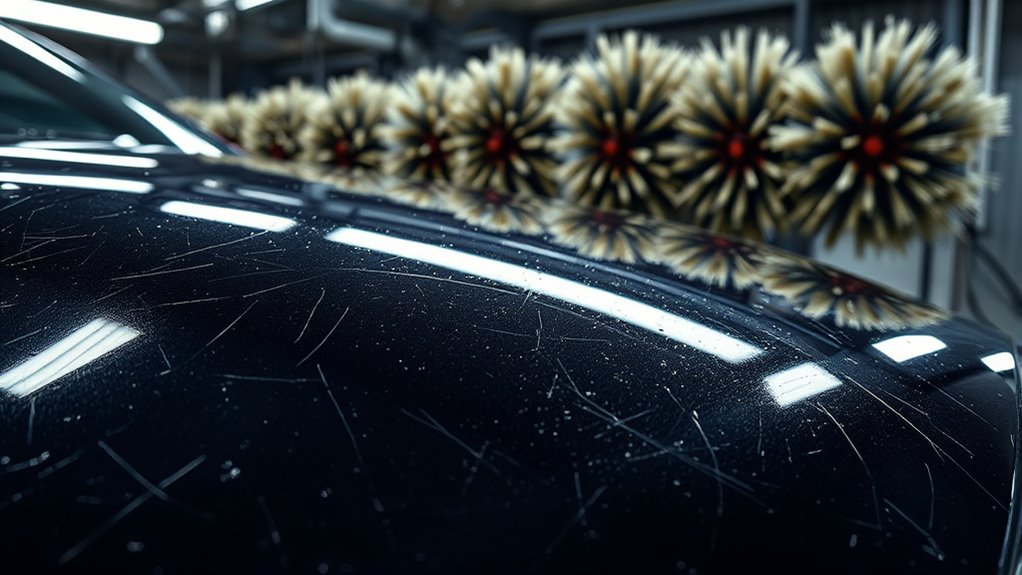
Machine washing, while convenient, might miss those hard-to-reach areas and can sometimes damage your paint if the equipment isn’t well-maintained. Ultimately, if you want the best care for your car, hand washing’s the way to go!
How Do Different Waxes Impact Cleaning Needs?
Different waxes can greatly impact your car’s cleaning needs. If you choose a wax with high durability, it’ll protect your paint longer, reducing the frequency of washes.
On the other hand, a less durable wax may require you to clean your car more often because dirt and grime build up faster. So, consider wax durability for better cleaning efficiency. It’ll save you time and keep your car looking great longer.
Should I Wash My Car Before or After a Long Trip?
Washing your car before a long trip is a must. It’s like giving your ride a fresh suit for the journey! Pre-trip preparations include removing dirt and grime that could scratch the paint.
Plus, a clean car helps you spot any issues during your post-trip inspection. While it’s tempting to wash it after the trip, starting fresh guarantees you enjoy every mile without distractions.
Conclusion
In the end, washing your car is like giving it a revitalizing drink; it keeps it looking sharp and protects its health. By considering weather, location, and your driving habits, you can find the right washing frequency that suits your needs.
Stay vigilant for dirt and grime, and keep in mind that a little maintenance goes a long way in keeping your ride in top shape. So, grab that sponge and keep your car shining bright by washing your car regularly!