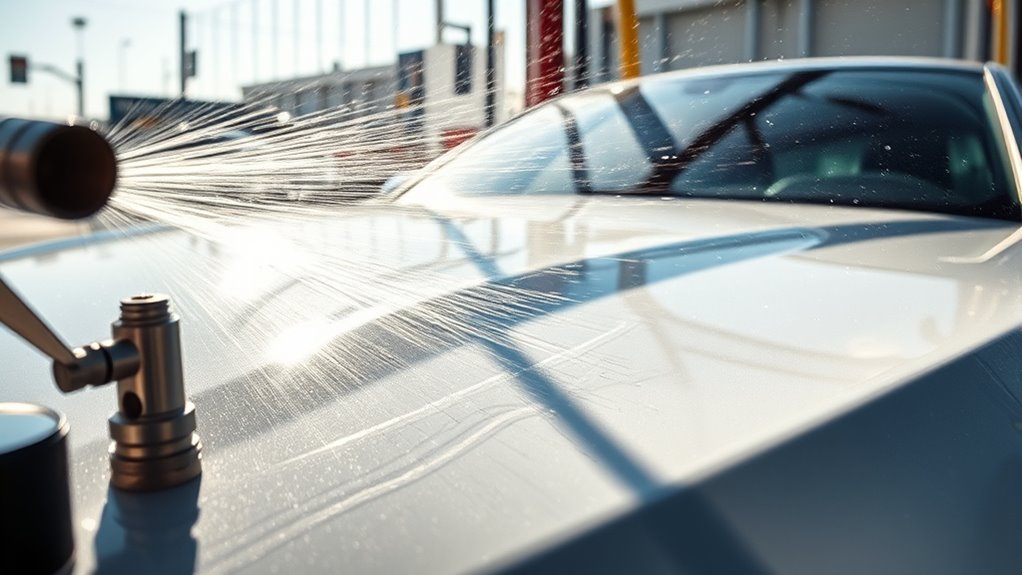
What Are the Safety Risks of Touchless Car Washes?
If you’ve ever tried a touchless car wash, you know how tempting it is to skip the hassle of scrubbing and still get a clean ride.
But you’re not alone if you’ve wondered whether these washes are truly safe for your vehicle’s finish. Many people struggle with balancing convenience and car care, especially when it comes to protecting their paint job.
Touchless car washes may seem convenient, but they pose several safety risks to your vehicle. High-pressure water jets can miss dirt, and harsh chemicals might dull your paint or strip wax.
Residual chemicals can leave streaks and damage surfaces over time. Furthermore, poor water quality and inadequate maintenance can lead to scratches or corrosion.
It’s essential to choose a reputable wash and follow best practices to protect your investment. Uncover more insights on keeping your car safe and clean.
Key Takeaways
- Touchless car washes may leave dirt and grime behind, which can risk paint damage over time. It’s important to balance their use with traditional washing methods.
- The harsh chemicals in touchless washes can strip wax and dull paint. So, regular inspection of your vehicle’s finish is key to preventing damage.
- Residual chemicals might create haziness and streaks, wearing down protective coatings and causing long-term paint problems.
- Poor water quality can leave spots and scratches on your car. Plus, high chlorine levels may even corrode metal parts.
- To minimize risks, choose well-maintained facilities and avoid wax additives. This helps ensure effective cleaning while protecting the environment.
Are Touchless Car Washes Safe? Key Risks to Consider
While you might think touchless car washes are the safest option for your vehicle, several key risks deserve your attention. These washes often rely on high-pressure water jets and chemicals that might not effectively remove all dirt and grime. If you don’t wash your vehicle frequently enough, you could end up with stubborn contaminants that damage your paint over time.
Additionally, the lack of physical contact means that certain areas, like wheel wells and undercarriages, might not receive adequate cleaning. This can lead to rust and corrosion, affecting your vehicle’s longevity.
Moreover, improper maintenance of the wash equipment itself can introduce contaminants onto your car. Regular vehicle maintenance is vital, and relying solely on touchless washes might not be enough to keep your vehicle in top condition. Consider balancing your wash frequency with traditional methods for a thorough clean.
How Chemicals Affect Your Vehicle’s Finish
When you use a touchless car wash, the chemicals they use can really affect your vehicle’s finish. If the chemical composition isn’t quite right, it might leave behind harmful residue that dulls the paint. So, it’s important to understand these factors if you want to keep your car looking its best.
Chemical Composition Matters
Understanding the chemical composition of the products used in touchless car washes is essential for maintaining your vehicle’s finish. Different product formulations can lead to various chemical reactions that impact your paint and protective coatings.
For instance, some chemicals may strip wax or cause dullness.
| Chemical Type | Potential Effect |
|---|---|
| Alkaline Cleaners | Can remove wax layers |
| Acidic Solutions | May etch clear coats |
| Surfactants | Assist in dirt removal |
| Sealants | Provide temporary protection |
Residue Impact On Finish
The chemicals used in touchless car washes can leave behind residues that greatly impact your vehicle’s finish. While these washes promise a quick clean, they often use strong detergents that can contribute to residue buildup.
Over time, this residue can dull your paint and compromise its finish protection. If you don’t rinse your car properly after a touchless wash, you’re allowing these chemicals to sit on the surface, leading to potential staining and oxidation.
Regularly inspecting your vehicle’s finish can help you identify any issues early. If you notice a lack of shine or discoloration, it might be time to contemplate a different cleaning method that prioritizes both cleanliness and the long-term health of your car’s finish.
Touchless Car Wash Chemicals: What to Watch Out For
When you go for a touchless car wash, it’s really important to know what chemicals are involved. These substances don’t just affect how your vehicle’s finish looks—they can also have an impact on the environment. So, understanding what’s in those cleaners can help you pick safer options, both for your car and for the planet.
Chemical Composition Concerns
While you might appreciate the convenience of touchless car washes, it’s essential to pay attention to the chemicals they use. Many of these cleaners contain harsh ingredients that can compromise chemical safety. Ingredients like sodium hydroxide or phosphates may effectively remove dirt but can also harm your car’s finish over time.
You should be cautious about the wash effectiveness versus potential damage to your vehicle’s exterior. Always check if the car wash discloses its chemical compositions and consider opting for environmentally friendly alternatives. Understanding the ingredients will help you make an informed choice that balances cleanliness and safety.
Prioritizing chemical safety can protect both your vehicle and your health in the long run.
Environmental Impact Assessment
Understanding the chemical composition of touchless car wash products not only affects your vehicle’s finish but also has broader implications for the environment. Many of these products contain harsh chemicals that can contaminate water sources during run-off.
If you’re concerned about environmental safety, pay attention to water usage; excessive washing can deplete local water supplies, especially in drought-prone areas.
Additionally, consider how these chemicals are disposed of. Improper disposal can lead to soil and water pollution, harming wildlife and ecosystems.
Risks of Residual Chemicals on Paintwork
Residual chemicals from touchless car washes pose significant risks to your vehicle’s paintwork. You may think these washes are safe, but chemical accumulation can lead to dulling and degradation of your car’s finish. Over time, these residues can break down paint protection, leaving your vehicle vulnerable to environmental damage.
| Type of Chemical | Effect on Paintwork |
|---|---|
| Surfactants | Can cause haziness on paint |
| Wax Residues | Diminishes shine and clarity |
| Acids | Eats away at protective coatings |
| Alkaline Cleaners | Lead to discoloration and fading |
To maintain your vehicle’s appearance, consider regular hand washes or confirm that touchless washes use high-quality, paint-safe products. Being proactive about chemical exposure will help preserve your car’s aesthetic and protect its value over time.
Do Touchless Systems Really Eliminate Scratches?
Can touchless car wash systems truly eliminate scratches? While they’re designed for scratch prevention, it’s essential to understand how they work. These systems rely on high-pressure water jets and specialized detergents to clean your vehicle without physical contact. This method can offer surface protection against minor dirt and debris that could cause scratches in traditional washes.
However, touchless doesn’t mean completely scratch-proof. If your car’s surface has existing contaminants like dirt or sand, the high-pressure water might not fully remove them, leading to potential scratches during the wash process. Also, if the system uses harsh chemicals, they can sometimes harm your vehicle’s paint over time.
To maximize scratch prevention, consider regular maintenance and hand washing between visits. Ultimately, while touchless systems can reduce the risk of scratches, they aren’t a foolproof solution.
Is Your Touchless Car Wash Equipment Safe?
While touchless car wash systems offer advantages in reducing scratches, it’s important to think about the safety of the equipment used. You want to make sure the machinery is reliable and well-maintained to improve your customer experiences. Poorly functioning equipment can cause unexpected issues, like water pressure fluctuations or ineffective cleaning solutions, which could compromise the wash quality.
When considering a touchless car wash, pay attention to the age and condition of the equipment. Regular maintenance checks are essential to confirm that all components are safe and operational. You wouldn’t want to risk damage to your vehicle or, worse, an accident due to malfunctioning machinery.
Risks of Poorly Maintained Wash Systems
When you choose a touchless car wash, you expect a thorough clean. But if the system isn’t well maintained, that clean can be at risk. When equipment isn’t properly taken care of, the wash might not do its job right and could leave chemical residues on your vehicle. And that’s not just bad for your car’s finish—it could also affect the health of you and your passengers.
Inadequate Equipment Maintenance
Regular maintenance schedules are essential to guarantee that all components function correctly and efficiently. Neglecting these schedules can shorten the equipment lifespan, increasing the likelihood of breakdowns and costly repairs.
You might think a touchless wash is safe, but poor maintenance can turn it into a risky choice. Always choose a car wash that prioritizes regular checks and maintenance to protect your investment and keep your vehicle in top shape.
Chemical Residue Issues
Chemical residue can become a serious concern in poorly maintained touchless car wash systems, especially if you’re relying on them for a thorough clean. When these systems aren’t regularly serviced, you might encounter harmful chemical buildup that can leave your vehicle with streaks or a dull finish.
This residue can also degrade your car’s paint over time. If the wash equipment doesn’t effectively handle residue removal, you’re not just risking aesthetics; you’re potentially harming your vehicle’s surface.
Furthermore, leftover chemicals can seep into the environment, raising safety and health concerns. To guarantee a safe and effective wash, always choose well-maintained facilities that prioritize proper chemical management and regular system check-ups. Your car and the planet will thank you.
How Poor Water Quality Can Harm Your Vehicle
While you might expect touchless car washes to provide a gentle clean, poor water quality can actually put your vehicle at risk. Water hardness affects your car’s finish and can lead to unsightly mineral buildup. This buildup not only detracts from your vehicle’s appearance but can also damage the paint over time.
Here’s a quick overview of how poor water quality impacts your car:
| Issue | Impact on Vehicle |
|---|---|
| Hard Water | Leaves spots and streaks |
| Mineral Buildup | Dulls paint and creates scratches |
| High Chlorine Levels | Can corrode metal parts |
| Contaminants | Stains and damages surfaces |
To keep your vehicle looking its best, be mindful of where you choose to wash it. Opting for a facility that uses high-quality water can save you from costly repairs down the road.
Environmental Risks of Touchless Car Wash Practices
Although touchless car washes seem like an eco-friendly option, they can pose significant environmental risks. One major concern is water usage. While these systems often recycle water, they still require considerable amounts to operate effectively. This can strain local water sources, especially in drought-prone areas.
Additionally, many touchless car washes use harsh chemicals to clean vehicles. These chemicals can runoff and contaminate nearby soil and waterways, potentially violating environmental regulations. When these substances enter the ecosystem, they can harm wildlife and disrupt local habitats.
Moreover, if the wash facility isn’t properly maintained, the risk of leaks increases. This can lead to harmful substances seeping into the ground, further exacerbating environmental issues. So, while you might think you’re making a greener choice, it’s essential to take into account these hidden environmental risks associated with touchless car wash practices.
Best Practices for Safe Touchless Car Washing
To guarantee a safe touchless car washing experience, you’ll want to follow a few best practices. Start by choosing a reputable facility that utilizes advanced touchless technology. These systems reduce the risk of scratches and damage while effectively cleaning your vehicle.
Next, confirm your vehicle’s windows and sunroofs are closed to prevent water intrusion, which could lead to electrical issues.
Here’s a quick reference table to keep in mind:
| Best Practice | Description |
|---|---|
| Select a Quality Facility | Look for well-reviewed touchless washes. |
| Inspect Vehicle | Check for any loose parts before washing. |
| Close Windows/Sunroofs | Prevent water damage to interiors. |
| Avoid Wax Additives | They can interfere with sensors. |
| Schedule Regular Washes | Maintain vehicle cleanliness and condition. |
Frequently Asked Questions
Can Touchless Car Washes Damage Sensitive Electronic Components?
Yes, touchless car washes can potentially damage sensitive electronic components due to the high-pressure water jets and strong detergents used. If your vehicle has electronic sensitivity, it’s essential to evaluate the wash effectiveness against possible risks.
While many modern cars are designed to withstand such washes, it’s wise to check for any manufacturer guidelines. If you’re unsure, opting for a gentler cleaning method might be the safer choice for your vehicle’s electronics.
How Often Should I Use a Touchless Car Wash?
Think of your car as a canvas, needing regular care to keep its beauty intact. You should aim for touchless car washes every two to four weeks, depending on your driving habits and environmental exposure.
Frequent washes help maintain the paint and prevent dirt buildup, much like an artist preserving their masterpiece. Adjust your wash intervals based on the season and road conditions to guarantee your car shines bright and stays protected.
Are Touchless Car Washes Eco-Friendly?
Yes, touchless car washes can be eco-friendly. They often promote water conservation by using less water compared to traditional washes. Plus, they typically rely on powerful detergents that minimize chemical usage, reducing environmental impact.
However, not all touchless washes are created equal, so it’s essential to choose one that prioritizes green practices. By selecting wisely, you can keep your car clean while being mindful of the environment.
Do Touchless Car Washes Work on All Vehicle Types?
About 70% of car owners prefer touchless technology for its convenience. Touchless car washes generally work on most vehicle types, but not all. You’ll find that larger vehicles like trucks or SUVs may need special consideration for vehicle compatibility.
While the system cleans effectively, some tough dirt or grime might require additional scrubbing. Always check with your local wash to verify your vehicle’s features are compatible with their touchless technology.
What Should I Do if My Car Is Not Clean After Washing?
If your car’s not clean after washing, do a post-wash inspection to identify the dirty areas. Check for stubborn spots that might need extra attention. You can try using specialized cleaning solutions to tackle these areas effectively.
If the results still aren’t satisfactory, consider a manual wash or a different car wash method next time. Regular maintenance can also help keep your vehicle looking its best between washes.
Conclusion
To sum up, while touchless car washes seem like a miracle for your vehicle, they can be a minefield of risks! From harsh chemicals that could strip your car’s shine to poorly maintained systems that might as well be a sandpaper factory, you’ve got to tread carefully.
Keep an eye on those chemicals and water quality, or you might just end up with a car that looks worse than before. So, wash wisely and protect that precious ride with touchless car washes!