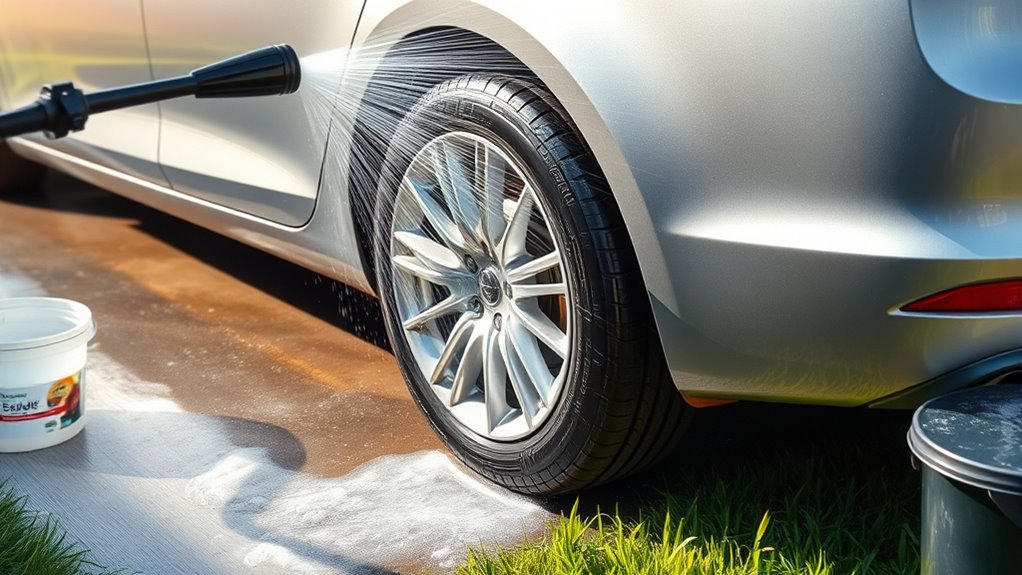
Safely Use a Pressure Washer on Your Car
If you’ve ever tried cleaning your car with a pressure washer and ended up worried about damaging the paint, you’re not alone. Many people struggle to find the right balance between a powerful clean and keeping their car’s finish safe.
The good news is that with the right tools and techniques, you can get your car sparkling without the stress.
To safely use a pressure washer on your car, gather your tools, like a pressure washer and appropriate nozzles, and make sure you wear protective gear.
Set the pressure between 1200 to 1900 PSI and select a wider spray nozzle to avoid damaging the paint.
Keep a safe distance while washing and avoid common mistakes, like using high-pressure nozzles or washing in direct sunlight.
For more tips on post-wash maintenance and specific surfaces, check out the full guide.
Key Takeaways
- Use a pressure setting of 1200 to 1900 PSI with a 25-degree nozzle for safe cleaning without damaging paint.
- Always pre-rinse your car to remove dirt and prevent scratches during washing.
- Maintain a distance of 2 to 3 feet from the vehicle surface to minimize paint damage.
- Dry the car immediately with microfiber towels to prevent water spots and enhance shine.
- Cover delicate features and check all pressure settings before starting the wash for optimal safety.
How to Pressure Wash Your Car Safely
When you pressure wash your car, start by gathering the right equipment to guarantee a safe and effective clean. Prioritize car washing safety by wearing protective gear like goggles and gloves. Make sure your pressure washer is set to a low PSI, around 1200 to 1900, so you won’t damage the paint.
Before you begin, rinse off any loose dirt to prevent scratches. Use a wide spray nozzle to distribute the water evenly and keep a safe distance from the surface. About 2 feet is ideal.
When applying soap, stick to products designed for vehicles. Avoid harsh chemicals that could harm your car’s finish. Work from the top down, rinsing sections as you go to prevent soap from drying.
Finally, don’t forget to dry your car afterward to avoid water spots. Follow these pressure washing tips, and you’ll keep your car looking pristine without risking damage.
What Tools Do I Need for Pressure Washing?
Before you start pressure washing your car, you’ll want to make sure you have the right tools for the job. The essentials include a pressure washer itself and the right nozzles to get the job done effectively.
Of course, it’s also important to think about safety. Wearing protective gear like gloves and goggles will help keep you safe while you work.
Essential Pressure Washer Equipment
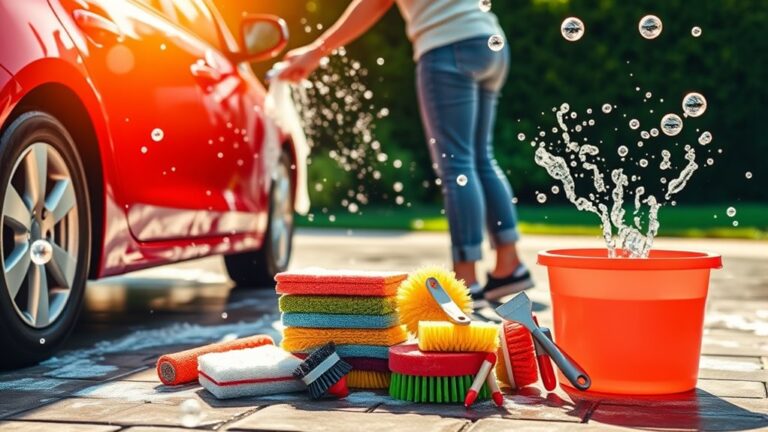
To effectively pressure wash your car, you’ll need a few essential tools. First, choose the right pressure washer types; electric models are quieter and more user-friendly, while gas ones deliver higher power.
Next, you’ll want a selection of cleaning solutions specifically designed for automotive use. These will help remove dirt, grime, and any stubborn stains without damaging your car’s paint.
A good quality spray nozzle is also vital, as it allows you to adjust the pressure and spray pattern, ensuring you don’t accidentally harm your vehicle. Finally, a sturdy extension wand can help you reach those tricky spots.
With these tools in hand, you’re ready to get your car sparkling clean!
Protective Gear Essentials
While pressure washing your car can be an effective way to clean it, wearing the right protective gear is essential to keep you safe. Start with proper gloves selection; choose durable, waterproof gloves to protect your hands from high-pressure water and chemicals.
Next, don’t underestimate eyewear importance. Safety goggles will shield your eyes from debris and water spray, preventing potential injuries. Furthermore, consider wearing a long-sleeved shirt and sturdy footwear to guard against unexpected splashes or slips.
A face mask can also be a good idea if you’re using detergents, as it’ll help you avoid inhaling harmful fumes. By equipping yourself with these essentials, you’ll guarantee a safer and more effective pressure washing experience.
Ideal Pressure Settings for Washing Your Car
Finding the right pressure setting is essential for washing your car safely and effectively. Generally, you should aim for a pressure range between 1200 to 1900 PSI (pounds per square inch) for automotive surfaces. This setting helps remove dirt and grime without risking damage to paint or trim.
When choosing pressure settings, consider your washing techniques. Start with a wider spray nozzle, like a 25-degree or 40-degree, to disperse the water gently across the surface. If you encounter tougher spots, you can gradually adjust to a narrower nozzle, but always keep a safe distance to avoid scratches.
How to Prepare Your Car for Pressure Washing
Before you grab the pressure washer, make certain your car is ready for the task. Start with a thorough pre-wash inspection. Check your car’s surface for any scratches, dents, or rust spots, as these could worsen with pressure washing. Remove any loose debris, like dirt and leaves, from the exterior.
Next, focus on car surface preparation. Rinse off the wheels and lower panels to eliminate grime and brake dust. This step is essential because it prevents dirt from splattering back onto the clean surfaces. If your car has any stickers or delicate features, cover them with plastic or tape to protect them from the pressure.
Finally, verify all windows are closed tightly. Following these steps will not only make your washing process smoother but also help maintain your car’s finish. With everything prepped, you’re ready to tackle the pressure washing!
Effective Techniques for Pressure Washing Your Car
When you pressure wash your car, using the right techniques can really make all the difference. You’ll want to pay attention to your pressure settings so you don’t accidentally cause any damage.
Also, keeping a safe distance from the surface is super important — too close, and you might chip the paint.
And don’t forget to pick the right nozzle for the job. These simple steps will help you get your car clean without any harm.
Proper Pressure Settings
Using the right pressure settings is essential for effectively washing your car without causing damage. Generally, you should aim for a nozzle pressure between 1200 and 1900 PSI, which is safe for most vehicles.
Before you start, adjust the pressure according to your car’s surface; softer settings work best for delicate areas like the paint and windows. If you’re unsure, test the pressure on a small, inconspicuous spot first.
Remember to use a fan nozzle for a wider spray, reducing the risk of concentrated pressure that could harm your paint. By choosing the appropriate pressure settings, you’ll guarantee a thorough clean while protecting your vehicle’s finish from unnecessary wear and tear.
Safe Distance Maintenance
To protect your car’s surface while pressure washing, maintaining a safe distance is essential. Start by keeping the nozzle about 2 to 3 feet away from your vehicle. This distance control helps prevent damage from the high-pressure spray.
Adjust your spray angle to guarantee the water hits the surface at a flat angle, which minimizes the risk of stripping paint or causing dents. As you work your way around the car, maintain this distance, moving closer only if necessary to tackle stubborn dirt.
Always be mindful of how the pressure affects your car’s finish, and if you notice any issues, step back and adjust your angle and distance accordingly. Safe practices guarantee a clean car without damaging its exterior.
Nozzle Selection Tips
Selecting the right nozzle is essential for effective pressure washing without damaging your car. Different nozzle types offer various spray patterns, which can greatly impact your cleaning process.
Here are three key tips to help you choose the right one:
- Use a 25-degree nozzle for general cleaning. This nozzle provides a wider spray pattern, perfect for washing large surfaces without causing harm.
- Opt for a 40-degree nozzle for delicate areas, like windows and mirrors. This gentle spray pattern helps avoid scratches.
- Avoid using a zero-degree nozzle on your car. Its concentrated spray can damage the paint and other surfaces.
Essential Safety Gear for Pressure Washing
When pressure washing your car, wearing the right safety gear is essential to protect yourself from potential hazards. Start with safety goggles to shield your eyes from debris and water spray.
A sturdy pair of gloves is also important; they’ll keep your hands safe from chemicals and high-pressure water. Don’t forget to wear closed-toe shoes with good traction to prevent slips.
A long-sleeved shirt and durable pants can protect your skin from splashes and the sun’s UV rays. Moreover, consider using ear protection, especially if your pressure washer is loud.
Make a gear checklist before you begin; ensuring you have all the necessary items will help you follow safety precautions effectively. By taking these steps, you’ll create a safer environment while pressure washing, allowing you to focus on getting your car spotless without unnecessary risks.
Top 5 Mistakes to Avoid When Pressure Washing Your Car
While pressure washing your car can make it shine, several common mistakes can turn a quick clean into a disaster. Avoiding these pitfalls is essential to keeping your vehicle looking its best.
- Using the Wrong Nozzle: Many people overlook this detail, believing any nozzle will do. A high-pressure nozzle can damage your paint, so always use a wide-angle nozzle for safety.
- Washing in Direct Sunlight: This can cause soap to dry too quickly, leaving spots. It’s best to wash in the shade or during cooler parts of the day.
- Ignoring Pressure Washer Myths: Some think higher pressure equals a better clean, but that’s a common pressure mistake. It’s not just about pressure; technique matters too.
How to Maintain Your Car’s Shine Post-Wash
To keep your car shining after a wash, it’s essential to adopt a few simple maintenance habits. Start by using quality detailing products, like car wax, to provide paint protection. This not only improves shine but also creates a barrier against dirt and grime.
After washing, immediately dry your car using soft, microfiber towels. This helps prevent water spots from forming and keeps your finish looking pristine. Use effective drying methods, like the blotting technique, to avoid scratches.
Once your car is dry, apply a layer of wax and use polishing techniques to bring out that mirror-like finish. Don’t forget the finishing touches. Clean the windows and tires to complete the look. Regular shine maintenance is key to preserving your car’s beauty and ensuring it turns heads wherever you go. Stay consistent with these habits, and your car will always look its best!
Tips for Pressure Washing Different Car Surfaces
As you prepare to pressure wash your car, understanding the various surfaces is essential for achieving the best results without causing damage. Different car surface types require specific techniques and pressure settings. Here are some tips to help you:
- Painted Surfaces: Use a wide-angle nozzle and maintain a distance of at least 2 feet to avoid stripping the paint. A lower pressure setting is safer here.
- Windows: Switch to a soap nozzle for a gentle clean. Avoid direct pressure on the edges to prevent any water from seeping inside.
- Wheels and Tires: Use a dedicated wheel brush attachment. A higher pressure setting can effectively remove brake dust and grime, but be cautious not to damage the rims.
Using the right pressure washer accessories can make all the difference in protecting your car’s finish while ensuring a thorough clean.
When to Call a Professional for Car Washing?
When should you consider calling a professional for car washing? If your vehicle needs more than a simple wash, it’s time to seek help. Professionals excel in car detailing, ensuring every nook and cranny is spotless. If you notice stubborn stains or contaminants that won’t budge, they have the expertise and tools to tackle those issues effectively.
You should also consider a professional if your car’s paint protection needs rejuvenating. Over time, sealants can wear off, leaving your paint vulnerable. A pro can apply high-quality products that shield your vehicle from environmental damage.
Lastly, if you’ve recently experienced heavy weather or off-road conditions, getting a professional wash can help maintain your vehicle’s appearance and longevity. Don’t hesitate to invest in expert care; it’s a smart choice for preserving your car’s value and aesthetics.
Frequently Asked Questions
Can I Pressure Wash My Car in Cold Weather?
You can pressure wash your car in cold weather, but you need to take some precautions. First, make sure the temperature’s above freezing to prevent water from freezing on your vehicle.
Use a lower pressure setting to avoid damaging the paint or causing ice to form. It’s also wise to dry your car quickly afterward.
With the right pressure washer settings and care, you can keep your car clean, even in winter.
How Often Should I Pressure Wash My Car?
You should pressure wash your car every two to four weeks, depending on your driving conditions. Think of it like giving your car a rejuvenating shower. It keeps the dirt and grime at bay.
Follow these frequency guidelines to maintain its shine and protect the paint. During winter or in areas with heavy road salt, you might want to wash more often. Regular maintenance tips can help keep your vehicle looking brand new!
Is It Safe for Tinted Windows?
Yes, it’s safe for tinted windows if you’re careful. Make sure to use the right pressure washer settings. Opt for a lower pressure to prevent damage.
When pressure washing, keep the nozzle at least a foot away from the glass. Tinted window care is essential. Avoid harsh chemicals and high pressure because they can peel or bubble the tint.
Always rinse thoroughly and dry gently to maintain your windows’ appearance and integrity.
What Type of Soap Should I Use?
You should use a car wash soap specifically designed for vehicles, as it’ll effectively clean without damaging the paint. Avoid harsh detergents, as they can strip wax and harm your car’s finish.
If you’re looking for soap alternatives, consider a mixture of vinegar and water for a natural option, but be cautious. Always rinse thoroughly after washing to prevent any residue that could harm your car’s surface. Happy washing!
Can Pressure Washing Damage My Paint?
Did you know that around 25% of car owners experience paint damage from improper washing methods? If you don’t adjust your pressure washer settings correctly, it can indeed damage your paint.
Using too high a setting can strip away protective layers and create scratches. To protect your paint, always start with a lower pressure and maintain a safe distance. Regularly check for any damage to confirm your car stays looking its best.
Conclusion
By following these tips, you can safely pressure wash your car without damaging its finish. Remember to choose the right tools and settings, prep your vehicle, and avoid common mistakes.
With a little care, you can maintain that showroom shine. If you ever feel uncertain, don’t hesitate to call a professional.
Your car deserves the best, and sometimes a helping hand guarantees it stays in top shape for years to come. Safely pressure wash your car to keep it looking great and protected.