Do Car Washes Damage Your Vehicle and Cause Scratches?
Worried that regular car washes might be harming your vehicle’s paint job? You’re not alone. Many people struggle with finding the right way to keep their cars clean without risking scratches or damage.
It’s a common concern that leaves a lot of car owners wondering if their cleaning routine might be doing more harm than good.
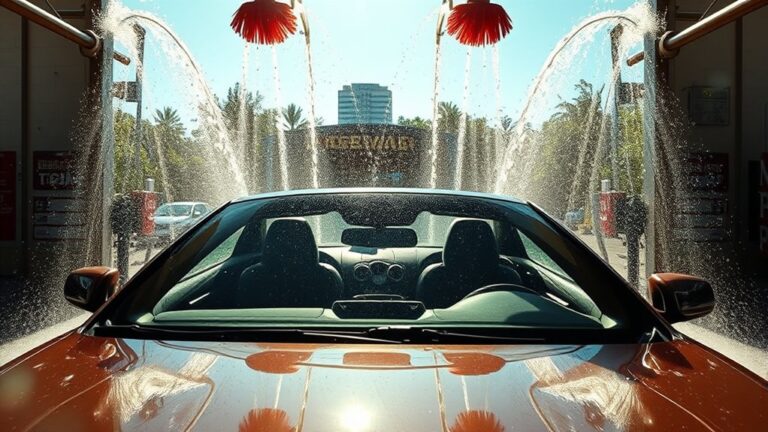
Yes, car washes can damage your vehicle and cause scratches, especially if you choose the wrong type. Automatic washes may risk paint harm with their brushes or high-pressure jets.
Hand washing can also lead to issues if you don’t use the right techniques or materials. To protect your car’s finish, it’s essential to understand these risks and adopt safe washing practices.
Uncover effective ways to minimize potential damage and keep your vehicle looking great.
Key Takeaways
- Touchless car washes minimize the risk of scratches by using high-pressure water jets. This makes them safer for delicate finishes.
- Brush-based washes can clean effectively but may harm paint if brushes are poorly maintained and trap debris.
- Improper hand washing techniques, such as circular motions, can create scratches on the vehicle’s surface.
- Surface scratches are minor and easily repairable. Deeper scratches can lead to rust and require extensive repair.
- Regular washing and maintenance, including waxing, can help protect your vehicle’s paint integrity and reduce the risk of scratches.
What Are the Different Types of Car Washes?
When you think about getting your car washed, it’s vital to know the different types available. You might opt for self-service washes, where you take the reins and scrub your vehicle using DIY techniques.
If convenience is your priority, mobile detailing brings the service to you, offering thorough cleaning right at your doorstep. For those environmentally conscious, eco-friendly options and waterless solutions minimize water use while still delivering a clean finish.
Consider professional services for detailed care, especially during seasonal maintenance when your car needs extra attention. They often include protective coatings that shield your paint from damage.
Professional detailing services provide essential care for your car, especially during seasonal maintenance, with protective coatings to guard your paint.
Regular wash frequency is key to maintaining your vehicle’s appearance, while interior cleaning guarantees a comfortable ride. Each option caters to different needs, so think about what suits your lifestyle and your car best.
What Are the Risks and Benefits of Each Type?
When you’re picking a car wash, it’s important to think about the pros and cons of each kind. Touchless car washes are great because they reduce the chance of scratches. However, they might not be as good at getting rid of tough dirt.
On the flip side, brush-based washes usually clean really well, but there’s a chance they could harm your car’s paint. So, it’s all about what matters most to you—scratch prevention or a deeper clean.
Touchless Car Washes Benefits
Although traditional car washes often rely on brushes that can scratch your vehicle, touchless car washes offer a safer alternative. Utilizing touchless technology, these washes eliminate the risk of scratches while effectively cleaning your car.
Instead of brushes, high-pressure water jets and specialized detergents work to remove dirt and grime without direct contact. This method improves cleaning efficiency, ensuring your vehicle looks great without the worry of damage.
Plus, touchless car washes are often quicker, allowing you to get back on the road faster. They’re especially beneficial for delicate finishes and vehicles with intricate designs.
If you want an effective, damage-free wash, touchless car washes are definitely worth considering.
Brush-Based Wash Risks
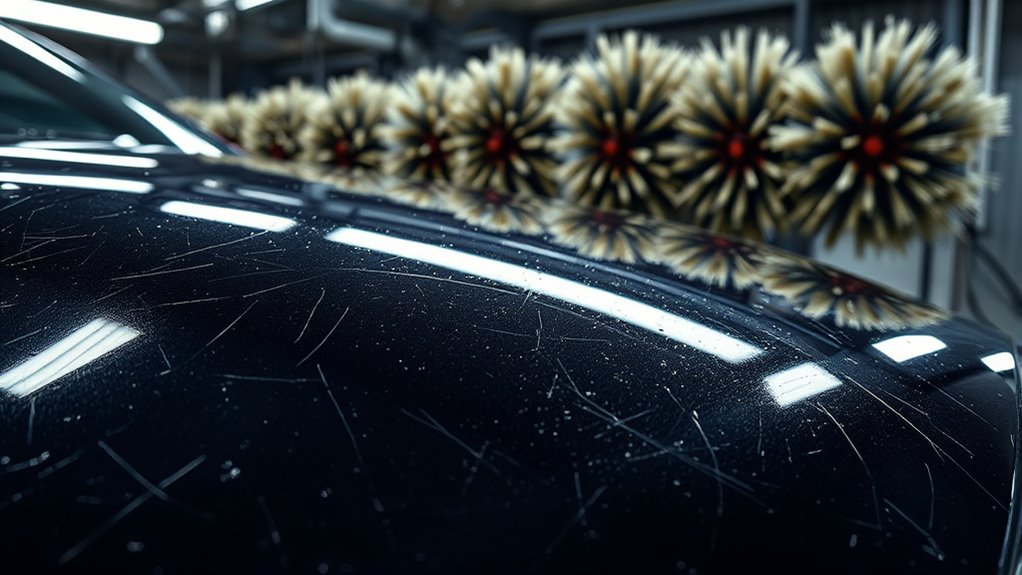
Brush-based car washes can pose significant risks to your vehicle’s finish. The brushes can trap dirt and debris, which may scratch the paint as they rotate against your car’s surface.
If the wash frequency is too high, these scratches can accumulate over time, leading to noticeable damage. Proper brush care is essential; worn or dirty brushes increase the likelihood of harm.
While these washes can be effective at removing grime, they often lack the gentleness of touchless options. If you choose a brush wash, inspect the facility’s maintenance practices and consider your vehicle’s paint condition.
Balancing the convenience of a brush wash with its potential risks is vital to maintaining your car’s appearance.
How Do Automatic Car Washes Impact Your Vehicle’s Finish?
While many drivers appreciate the convenience of automatic car washes, it’s essential to understand how they can affect your vehicle’s finish. These washes often use harsh chemicals and high-pressure water, which can strip away protective wax and sealants. Over time, this can lead to dullness and decreased shine.
If you wash your car too frequently at these facilities, you might accelerate the wear on your vehicle’s finish, especially if the wash employs abrasive materials. It’s vital to balance wash frequency with finish maintenance to keep your car looking its best.
Consider mixing automatic washes with hand washing to reduce potential damage. Make sure to choose a wash that uses soft cloths rather than brushes, as this minimizes the risk of scratches. By being mindful of how often you wash and the methods you choose, you can maintain your vehicle’s finish effectively.
What Common Mistakes Occur in Hand Washing Your Car?
When you’re hand washing your car, it’s pretty easy to slip up and make some mistakes that can actually damage it. For example, using the wrong tools or not washing the right way can leave scratches on the paint. And if you skip drying your car afterward, you might end up with those annoying water spots all over. So, let’s chat about how to dodge these common problems and keep your car looking great.
Improper Washing Techniques
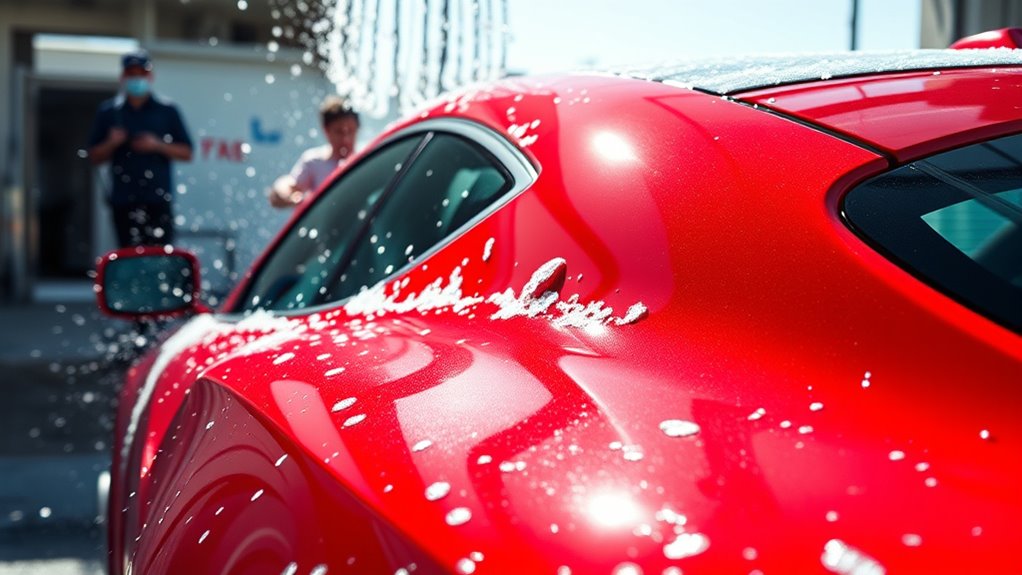
Many car owners mistakenly believe that a simple hand wash is enough to keep their vehicle in top shape, but improper techniques can lead to scratches and damage. Using the wrong washing techniques, such as scrubbing in circular motions or applying too much pressure, can create fine scratches on your car’s surface.
Moreover, neglecting to rinse off dirt and debris properly can cause grit to scratch the paint as you wipe it away. Always start from the top and work your way down, ensuring you use a gentle touch.
Wrong Tools Used
Using the right tools is essential for maintaining your vehicle’s appearance. The wrong choices can lead to unsightly damage. Many people overlook the importance of using proper techniques and tools during a hand wash.
Here’s a quick guide to avoid common mistakes:
| Wrong Tools | Consequences | Proper Techniques |
|---|---|---|
| Dish soap | Paint damage | Use pH-balanced soap |
| Old rags | Scratches | Microfiber cloths |
| Hard brushes | Swirl marks | Soft wash mitts |
| Garden hose | Inadequate rinsing | Pressure washer |
| Sponges | Dirt retention | Two-bucket method |
Neglecting Drying Process
While washing your car, it’s easy to overlook the drying process, but neglecting this crucial step can lead to serious issues. If you skip drying or use improper drying techniques, you risk water spots and streaks forming on your vehicle’s surface.
Using the wrong drying tools, like regular towels, can cause scratches and swirl marks. Instead, opt for microfiber towels or a dedicated drying chamois, as these are gentler on your paint.
Always start drying from the top down, allowing gravity to help remove water. Make sure to pay attention to crevices where water can accumulate.
What Causes Scratches During a Car Wash?
When you pull into a car wash, it’s easy to overlook the potential for scratches on your vehicle’s surface. Several factors can contribute to these unwanted marks. First, the wash equipment itself can be a culprit.
Brushes, if not maintained properly, can accumulate dirt and debris that scratch your paint. Furthermore, certain wash techniques, like aggressive scrubbing or using harsh chemicals, can worsen the issue.
Another common source of scratches is the presence of dirt or grit on your vehicle before the wash. If you don’t rinse off loose particles first, they can act like sandpaper against your car’s finish.
To improve scratch prevention, consider opting for touchless washes, which minimize contact with your vehicle’s surface. Finally, using a soft microfiber cloth during drying can help avoid any additional scratches, ensuring your car maintains its pristine appearance.
How Do Scratches Lead to Paint Damage?
Scratches on your car can be all kinds of different — some are deep, some are barely there. But even the small ones can mess with your paint’s protection. When the clear coat gets scratched, it leaves the layers underneath open to things like moisture and UV rays. And that’s when problems start, like peeling, fading, or even rust. So, it’s really important to take care of scratches as soon as you notice them.
Types Of Scratches
Even minor scratches can lead to serious paint damage if left unchecked. There are different types of scratches to be aware of. Surface scratches are the most common, affecting only the clear coat and easily repaired with proper paint protection.
Deeper scratches, however, penetrate the base coat, requiring more extensive repair. These types can lead to rust if moisture gets in, compromising your vehicle’s appearance and longevity.
To avoid these issues, prioritize scratch prevention by using high-quality car washes and protective coatings. Regular inspections can help you catch and address any scratches early, ensuring your vehicle remains in top condition.
Impact On Paint Integrity
While a scratch might seem minor at first, it can substantially compromise your vehicle’s paint integrity over time. When you ignore scratches, they can expose the underlying layers of paint and even metal to the elements.
This exposure leads to rust, fading, and peeling, diminishing your car’s appearance and value. Regular surface maintenance is essential; using proper techniques and products can help restore and protect your paint.
Investing in quality paint protection products can also shield your vehicle from future damage. Remember, taking care of those small scratches now can save you from more extensive repairs later, ensuring your car stays looking great for years to come.
How Do Dirt and Grime Cause Scratches: The Importance of a Clean Start?
As you prepare to wash your vehicle, keep in mind that dirt and grime can wreak havoc on your car’s paint if not properly addressed. Dirt accumulation on your vehicle’s surface can trap abrasive particles, which can scratch the paint during the washing process.
When you scrub or use a cloth without first removing this layer of grime, you risk dragging those particles across the paint, causing unwanted damage.
To prevent this, focus on effective grime removal before you start scrubbing. Rinse your car thoroughly to loosen and wash away the dirt.
Focus on effective grime removal before scrubbing; rinse thoroughly to loosen dirt and safeguard your car’s paint.
Using a dedicated pre-wash spray or foam can help break down tough grime, making it easier to remove without inflicting scratches.
What Are the Essential Tips for Washing Your Car Safely?
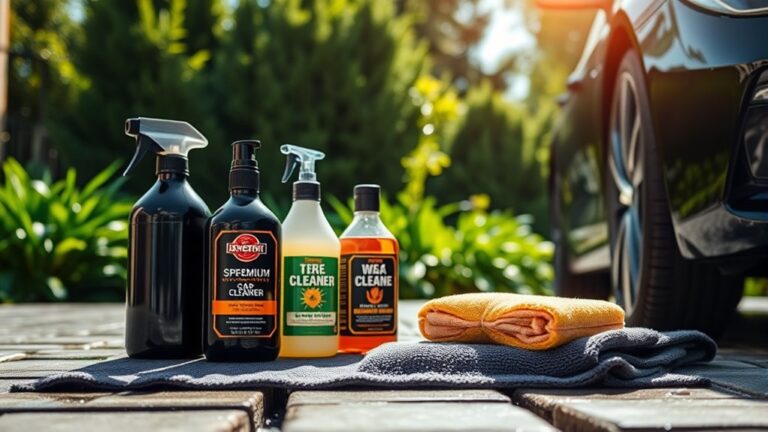
Washing your car safely requires a few essential tips to protect its finish and avoid potential damage. First, always use high-quality, pH-balanced car wash soap specifically designed for vehicles. Avoid household cleaners, as they can strip wax and harm the paint. When you begin the wash, use a soft microfiber cloth or sponge to prevent scratches during the process.
Rinse your car thoroughly to remove loose dirt before applying soap. This helps ensure safe washing practices. Work from the top down, cleaning in sections, and rinse each area before moving on to the next.
Don’t forget to use protective products like wax or sealant after washing. They add a layer of defense against contaminants. Finally, dry your car with a clean microfiber towel to prevent water spots. Following these tips will help keep your car looking its best while minimizing the risk of damage.
Should You Wax Your Car After a Car Wash?
After you’ve safely washed your car and it’s looking spotless, you might wonder if waxing is worth the effort. Applying a good wax will improve your car’s shine and provide essential protection benefits.
Wax acts as a barrier against dirt, UV rays, and environmental contaminants, which can harm your vehicle’s paint over time.
Considering waxing frequency, experts generally recommend waxing your car every three months to maintain ideal protection. If you frequently park outdoors or live in an area with harsh weather, you might want to increase that frequency.
How Often Should You Wash Your Car to Prevent Damage?
How often should you wash your car to keep it in top shape? To prevent damage, aim to wash your vehicle every two weeks, especially if you drive in urban areas or during harsh weather conditions. These frequency guidelines help maintain your car’s paint and protect it from contaminants like dirt, salt, and bird droppings.
If you live in a region with heavy pollen or road salt, consider increasing the frequency to once a week. During the winter months, you should wash your car more often to remove road salt that can lead to rust.
For those who park under trees or near construction sites, weekly washes are recommended to avoid scratches and grime buildup. By following these recommended intervals, you not only keep your car looking clean but also safeguard its exterior, ensuring it stays in excellent condition for years to come.
Frequently Asked Questions
Do Car Washes Void My Vehicle’s Warranty?
No, car washes don’t void your vehicle’s warranty. As long as you follow the manufacturer’s recommendations for maintenance and wash frequency, you’re covered.
Make sure to check your warranty coverage details; most manufacturers allow for regular cleaning. Using a reputable car wash helps keep your vehicle’s exterior in good shape, so you can enjoy a clean ride without worrying about losing warranty protection. Just be mindful of the wash methods they use!
Can I Wash My Car During Winter?
Yes, you can wash your car during winter! In fact, winter maintenance is vital to keep your vehicle in top shape. Use gentle washing techniques, like a touchless car wash, to avoid damaging the paint.
Make sure to dry your car thoroughly to prevent ice formation. Regular washes help remove road salt and grime, which can lead to rust. So, don’t hesitate to keep your car clean even in the cold!
How Long Does a Car Wash Take?
A car wash usually takes about 15 to 30 minutes, depending on the type of wash you choose. If you opt for a basic wash, you’re looking at the shorter end of that range.
Keeping time efficiency in mind, you might want to wash your car every two weeks to maintain its appearance. Regular wash frequency helps prevent dirt buildup, making each visit quicker and more effective.
Are Touchless Washes Better for My Car?
Yes, touchless washes can be better for your car. They offer significant touchless benefits, as they use high-pressure water and specialized detergents to clean without physical contact. This helps in scratch prevention, reducing the risk of swirl marks or scratches from brushes.
If you’re concerned about maintaining your vehicle’s finish, opting for a touchless wash is a smart choice. It keeps your paint looking great while ensuring a thorough clean.
Can I Wash My Car With a Dirty Sponge?
You shouldn’t wash your car with a dirty sponge. A dirty sponge can trap dirt and grit, leading to scratches on your paint.
Instead, use a clean sponge to guarantee proper cleaning and protect your vehicle’s finish. By adopting effective washing techniques, like rinsing your sponge frequently and using a two-bucket method, you’ll keep your car looking its best.
Prioritize sponge cleanliness to maintain your car’s shine and avoid unwanted damage.
Conclusion
In the end, treating your car to a wash is like giving it a revitalizing shower, just make sure it’s a gentle one! Think of your vehicle’s finish as delicate skin; harsh scrubs can leave it irritated and scratched.
By choosing the right wash method and following safe practices, you’ll keep your ride looking shiny and new. So, wash wisely, and your car will thank you with a gleam that turns heads, just like a well-polished gem!
Remember, understanding if car washes damage your vehicle and cause scratches is key to keeping that shine intact.