Do Car Washes Scratch Paint?
If you’ve ever worried about your car’s paint getting scratched during a wash, you’re not alone. Many people struggle with finding the best way to clean their vehicles without causing damage.
It’s a common concern that can make the simple task of washing your car feel stressful.
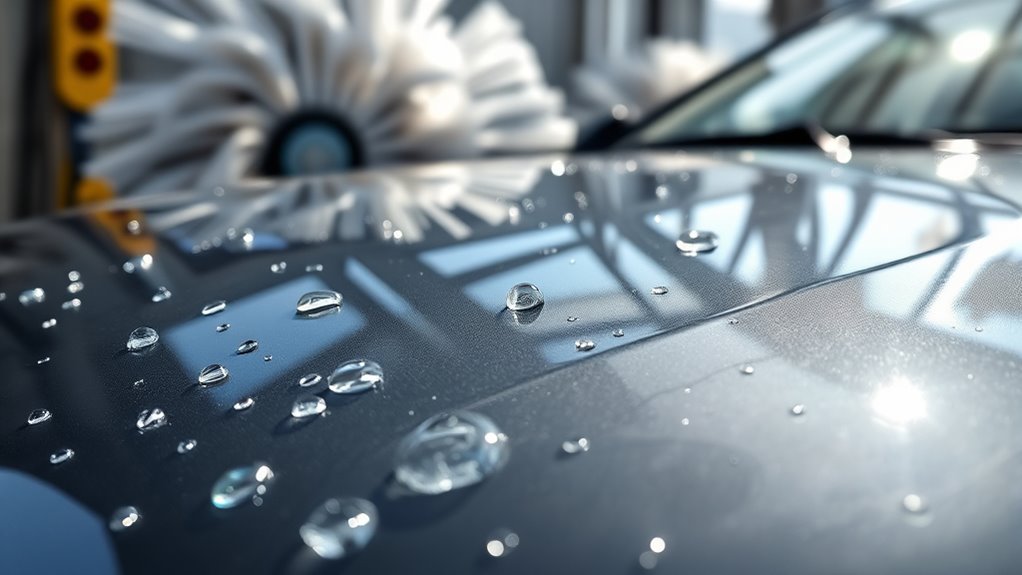
Car washes can scratch your paint, but it really depends on the type of wash you choose. Touchless car washes are generally safer, using high-pressure water without brushes.
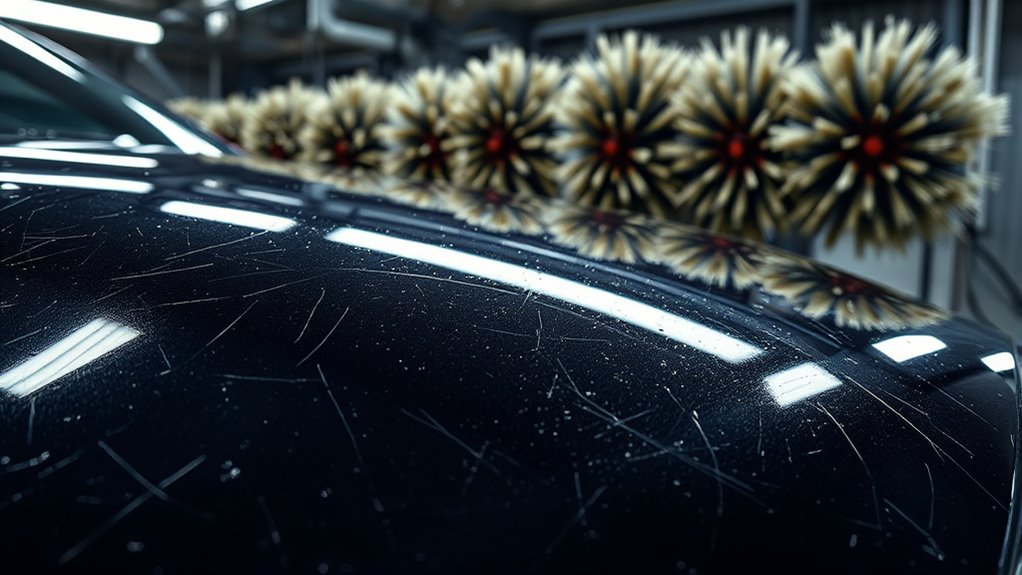
Traditional washes can risk micro-scratches if brushes aren’t well-maintained.
Hand washing gives you more control, reducing scratches, especially with quality tools.
Be mindful of dirt buildup, as this can increase the chances of damage.
Want to know more about how to protect your car’s paint?
Key Takeaways
- Touchless car washes minimize scratch risk by using high-pressure water jets without physical contact with the paint surface.
- Traditional car washes may cause micro-scratches if brushes are poorly maintained or if dirt is not removed beforehand.
- Hand washing allows for greater control over techniques and materials, reducing the likelihood of scratches.
- Soft foam brushes are safer than stiff bristles. Well-maintained brushes help prevent dirt buildup that scratches paint.
- Using quality wax or sealants enhances paint protection, especially when washing frequently.
Understanding Car Wash Types and Their Impact on Paint
When you choose a car wash, it’s essential to understand how different types can impact your vehicle’s paint. Some washes, like touchless systems, use high-pressure water jets and detergents that can effectively clean without risking scratches. On the other hand, traditional washes with brushes may cause micro-scratches, especially if they’re not well-maintained.
Your wash frequency also plays a role in paint protection. If you wash your car regularly, dirt and grime don’t have a chance to settle and damage the paint. However, over-washing can lead to wear and tear, so striking a balance is key. Consider using wax or sealants for added paint protection, especially if you wash frequently. Ultimately, being informed about your options helps you make better choices, keeping your car looking great while minimizing any potential risks to its finish.
Are Automatic Car Washes Safe for Your Car’s Paint?
While you might appreciate the convenience of automatic car washes, their safety for your vehicle’s paint can vary. Many automatic wash systems use brushes and abrasive materials that can potentially scratch your paint, especially if your car is already dirty or if the brushes aren’t well-maintained.
On the other hand, some modern facilities use soft cloths and high-quality soaps designed to prioritize automatic wash safety.
To improve paint protection, consider using a wax or sealant before visiting an automatic car wash. This extra layer can help guard against scratches and diminish the impact of any friction.
Furthermore, choose a car wash that offers touchless options, as they generally pose less risk to your paint. Ultimately, it’s essential to weigh the convenience of automatic washes against the potential risks to your vehicle’s finish.
Regularly inspecting your car’s paint will help you assess any damage over time.
Hand Washing vs. Automatic Car Washes: Which Is Safer for Your Paint?
When it comes to keeping your car’s paint looking great, you might be wondering which is safer: hand washing or automatic washes. Hand washing gives you that personal touch and attention to detail. On the other hand, automatic washes can sometimes cause scratches or damage if you’re not careful. So, let’s break down the benefits of each method to help you decide what’s best for your ride.
Hand Washing Benefits
Although automatic car washes offer convenience, hand washing your vehicle provides several benefits that can help protect its paint. Here are four key advantages:
- Paint Protection: Hand washing lets you control the pressure and technique, reducing the risk of scratches.
- Water Quality: You can choose filtered or distilled water, preventing minerals from damaging your paint.
- Soap Selection: You can select a soap specifically designed for your car’s finish, ensuring maximum cleaning without harm.
- Drying Techniques: Using microfiber towels allows for gentle drying, minimizing swirl marks compared to harsh automated dryers.
Plus, hand washing promotes environmental benefits and can be more cost-effective in the long run. Following proper frequency guidelines keeps your vehicle looking its best!
Risks of Automatic Washes
Automatic car washes can be a time-saver, but they come with risks that could harm your vehicle’s paint. The brush materials used in many of these washes can be abrasive, leading to micro-scratches that dull your car’s finish over time.
If you wash your car too frequently in an automatic wash, you might accelerate this damage. Even if the wash seems gentle, the combination of dirt, grime, and worn brushes can create a perfect storm for scratches.
Hand washing, while more time-consuming, allows for better control and gentler techniques that preserve your vehicle’s finish. If you value your car’s appearance, consider the potential consequences before opting for an automatic wash too often.
The Role of Brushes in Car Washes: What You Should Know
While many car washes promise a thorough clean, the type of brushes they use can greatly impact your vehicle’s paint. Understanding brush types and materials is vital to maintaining your car’s finish. Here’s what you should know:
- Brush Types: Soft foam brushes are generally safer than stiff bristle brushes, which can cause scratches.
- Brush Materials: Look for brushes made from synthetic materials; they tend to be gentler on your paint compared to natural fibers.
- Brush Maintenance: Regular cleaning of brushes is essential to prevent dirt buildup that can scratch your car’s surface.
- Brush Effectiveness: The effectiveness of brushes varies. Well-maintained brushes can provide a thorough clean without damaging your vehicle.
Choosing the right car wash with proper brushes can keep your paint looking new and shiny, so always do your research before driving in.
Do Car Wash Chemicals Damage Paint?
When you wash your car, the chemicals used can really affect your paint’s condition. It’s important to understand the different types of car wash chemicals and their pH levels if you want to keep your vehicle looking great.
Also, knowing how these products interact with wax and sealants makes a big difference in maintaining that glossy finish you love. So, paying attention to what you use can help protect your car’s paint over time.
Types Of Car Wash Chemicals
Choosing the right car wash chemicals is vital because they can greatly impact your vehicle’s paint. Different cleaning agents have unique chemical compositions that affect the pH balance and how they interact with your car’s surface.
Here are four types of car wash chemicals to take into account:
- Detergent Types: These break down dirt and grime effectively but can vary in strength.
- Eco-Friendly Options: Biodegradable formulas are gentler on both your car and the environment.
- Wax Additives: These help protect the paint while providing a shiny finish.
- Residue Effects: Some chemicals leave a residue that can dull your paint over time.
Always read labels to make sure you’re using products that won’t damage your vehicle’s finish!
pH Levels And Paint
The pH level of car wash chemicals plays an essential role in preserving your vehicle’s paint. Maintaining the right pH balance is vital; if the chemicals are too acidic or alkaline, they can damage your paint’s durability.
When you wash your car, harsh chemicals can strip away protective layers, leading to fading and scratches. You want to choose products specifically formulated for automotive finishes, as these typically maintain a neutral pH.
This balance helps to guarantee that dirt and grime are effectively removed without compromising your paint. Regularly using the right car wash products can keep your vehicle’s exterior looking fresh and vibrant for years.
Waxing And Sealant Effects
While you might think car wash chemicals are harmless, they can actually diminish the effectiveness of waxes and sealants on your vehicle’s paint. Here’s what you should know:
- Chemical Composition: Some car wash soaps contain harsh ingredients that strip away wax durability.
- Frequency of Washing: Frequent washes can weaken sealant longevity, leaving your paint vulnerable.
- Temperature Sensitivity: High temperatures can cause chemicals to react negatively, impacting both wax and sealants.
- Rinse Quality: Poor rinsing can leave residue that interferes with the protective layers on your vehicle.
Debunking Myths: Do Car Washes Really Damage Paint?
Have you ever wondered if car washes actually harm your vehicle’s paint? Many myths swirl around this topic, but it’s essential to separate fact from fiction. The truth is, when you follow proper paint maintenance and choose the right wash method, your car’s paint can stay in excellent condition.
Automatic car washes with soft cloths or touchless systems are generally safe, especially if you wash your car frequently enough to prevent dirt buildup. Washing too infrequently can lead to scratches when dirt and grime get ground into the paint.
On the other hand, regular washes help maintain your car’s finish, protecting it from environmental factors. So, as long as you’re mindful of your wash frequency and choose a quality wash, you shouldn’t worry about damaging your paint.
Ultimately, a clean car isn’t just for looks; it’s a crucial part of vehicle upkeep.
How to Protect Your Car’s Paint During a Wash
To keep your car’s paint safe during a wash, you might want to try a touchless car wash since it minimizes contact. But if you’re more into washing by hand, make sure to use high-quality mitts—they really help avoid scratching the surface. Just following these simple steps can go a long way in protecting your vehicle’s finish and keeping it looking great.
Choose Touchless Car Wash
When you want to keep your car’s paint pristine, choosing a touchless car wash can make all the difference. With touchless technology, you can clean your vehicle effectively without the risk of scratches.
Here’s how to maximize paint protection during your wash:
- Select a reputable touchless car wash that uses high-quality cleaning solutions.
- Check for regular maintenance of the wash equipment to guarantee it’s in top condition.
- Avoid washing in direct sunlight; it can cause soap to dry prematurely, which might affect your paint.
- Opt for a wax or sealant finish after the wash for an added layer of protection.
Use High-Quality Mitts
Using high-quality mitts is essential for protecting your car’s paint during a wash, especially if you choose a hand wash. The right mitt quality can make a significant difference in minimizing scratches and swirls.
Opt for microfiber or lambswool mitts, as they’re gentle on your car’s surface and effectively lift dirt without scratching. Avoid using rough wash materials like sponges, which can trap grit and cause damage.
Before you start washing, rinse the mitt thoroughly to remove any debris that might cause scratches. Always wash from top to bottom, making sure you use a clean section of the mitt frequently.
Signs of Paint Scratching: What to Look For
Scratches on your car’s paint can be a frustrating sight, and knowing what to look for can help you address the issue quickly. To protect your paint condition and improve scratch prevention, keep an eye out for these signs:
- Visible Lines: Look for fine lines or deeper grooves that disrupt the smooth surface.
- Color Changes: If you notice a faded or dull area, it may indicate a scratch affecting the clear coat.
- Texture Differences: Run your hand over the paint; rough patches could signal underlying scratches.
- Light Reflection Issues: A scratched surface often reflects light unevenly, making it less shiny.
Regularly inspecting your car will help maintain its appearance and condition. If you spot any of these signs, act promptly to minimize further damage and keep your vehicle looking its best.
Tips for Choosing a Safe Car Wash for Your Vehicle
How can you guarantee your car gets a thorough clean without risking paint damage? Start by researching local car washes and look for those that use soft cloths or touchless systems. These minimize the chance of scratches. Check reviews to see what other customers say about their experiences, especially regarding paint safety.
Consider eco-friendly options that use biodegradable soaps and efficient water systems. These not only protect your paint but are also better for the environment.
Pay attention to wash frequency. Washing too often can lead to wear, while infrequent washes can allow dirt to accumulate and scratch. Aim for a balance that keeps your vehicle clean without overdoing it.
Finally, if you’re uncertain, you can always opt for a manual wash to have complete control over the process. By taking these steps, you can keep your car looking great while safeguarding its finish.
Maintaining Your Car’s Shine Between Washes
Even with careful washing, maintaining your car’s shine between washes is key to keeping it looking its best. Here are some effective shine maintenance tips you can try:
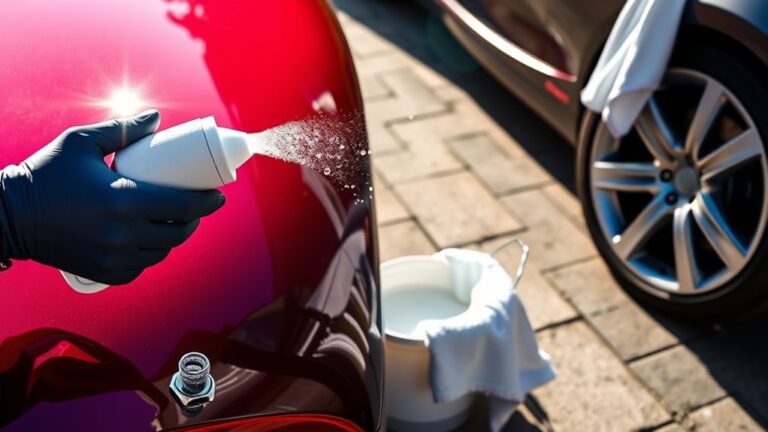
- Use a Quick Detailer: Spray a quick detailer on your car’s surface to improve gloss and remove light dust. It’s an easy way to keep that fresh look.
- Avoid Parking Under Trees: Tree sap and bird droppings can dull your car’s finish. Whenever possible, park in a garage or a shaded area to protect your paint.
- Apply Protective Coatings: Consider using a ceramic coating or wax. These coatings shield your paint from UV rays and contaminants, helping your shine last longer.
- Regularly Wipe Down: Keep microfiber cloths handy to wipe away fingerprints or smudges that can build up quickly. This simple step makes a big difference.
Frequently Asked Questions
Can I Wash My Car Too Often?
Yes, you can wash your car too often. Frequent washing can lead to wear on the paint, especially if you use abrasive wash methods.
The frequency effects depend on how you wash. Using a gentle method like hand washing with microfiber cloths is safer than automatic washes with harsh brushes.
To keep your car looking great, try to find a balance between cleanliness and protecting the paint from unnecessary wear.
What Tools Are Best for Hand Washing My Car?
For hand washing your car, grab some quality wash mitts and microfiber towels. Using a foam cannon can make applying wash soap easier and more effective.
Stick to the bucket method, with one for soapy water and another for rinsing your mitt. This helps prevent dirt from scratching your paint.
Finally, use proper drying techniques with your microfiber towels to avoid water spots. With these tools, you’ll keep your car looking its best!
Do Waxing Products Help Prevent Scratches?
Yes, waxing products do help prevent scratches. When you apply wax, you create a protective layer on your car’s paint, which acts as a barrier against dirt and debris. This reduces the chances of scratches from everyday wear and tear.
Plus, the glossy finish improves your car’s appearance. Regular waxing not only boosts your vehicle’s shine but also keeps it safer from potential damage, making it a smart choice for scratch prevention.
How Long Should I Wait After a Paint Job Before Washing?
After a fresh paint job, you should wait at least two weeks before washing. Proper paint curing is essential for a flawless finish. If you wash too soon, you risk ruining that radiant result.
Stick to soft, gentle wash techniques to protect your new paint. Remember, patience pays off. Allow the paint to fully bond and harden before introducing water. This way, you’ll make certain your car’s stunning surface stays scratch-free and shiny!
Are There Specific Times to Avoid Washing My Car?
You should avoid washing your car during extreme weather conditions, like heavy rain or snow, since dirt and grime can stick more easily. It’s best to skip washes in freezing temperatures too, as water can freeze on your car.
Moreover, if you’ve just had a paint job, steer clear of automatic car wash types that use brushes, as they can potentially damage the finish. Wait until conditions are ideal for a clean car.
Conclusion
In the end, keeping your car’s paint in top shape is worth the effort. While some car washes can cause scratches, being mindful of your choices makes all the difference.
Remember, you don’t have to throw caution to the wind. Opt for gentler methods and protective measures. By taking these steps, you’ll maintain that showroom shine and guarantee your vehicle looks great for years to come.
After all, a well-cared-for car is a joy to drive, and choosing the right car wash can help protect your paint from scratches.