Do Car Washes Cause Damage to Your Car’s Paint?
Worried that your car wash routine might be harming your vehicle’s paint? You’re not alone. Many people struggle with finding the right balance between keeping their car clean and protecting its finish. It’s a common concern that often leaves car owners second-guessing their washing choices.
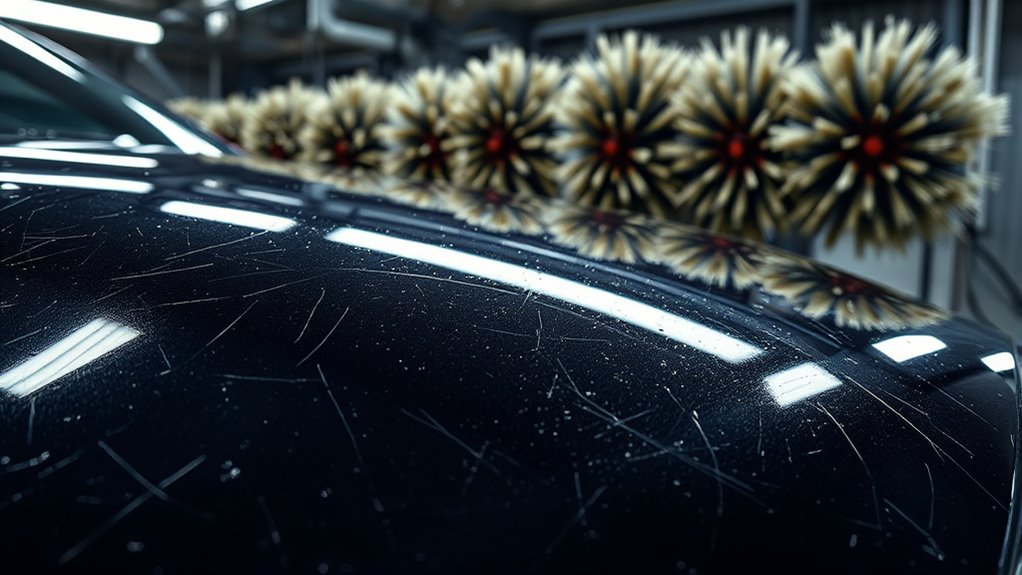
Yes, car washes can damage your paint if you’re not careful. Automatic washes, especially those with brushes, often trap dirt that can scratch your vehicle’s finish.
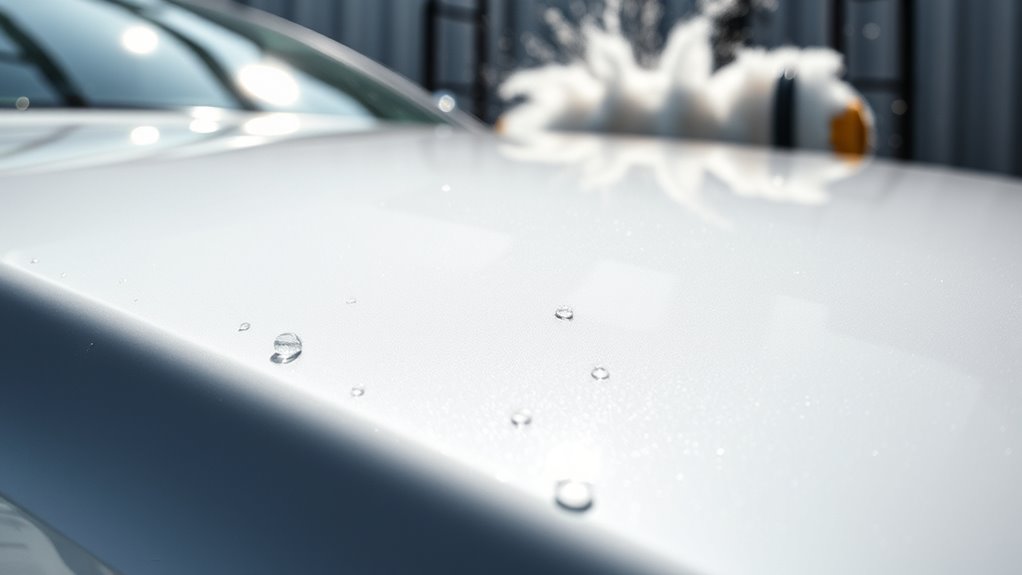
Touchless systems reduce this risk but may still use strong chemicals that aren’t great for paint. Hand washing is the safest option since you control the process.
To keep your car looking its best, it’s essential to understand the impact of various washing methods. Learn more about how to protect your paint.
Key Takeaways
- Automatic car washes with abrasive brushes can scratch paint. Choose soft cloth washes for safer options.
- Touchless car washes minimize scratch risks by using high-pressure water jets without direct contact.
- Hand washing allows for gentler techniques and inspection of paint, reducing damage risk.
- Harsh detergents in automated washes can degrade paint. Use pH-balanced, biodegradable soaps for better care.
- Frequent washing can wear down protective layers, so adjust frequency based on driving conditions and vehicle use.
Types of Car Washes: Understanding Your Options
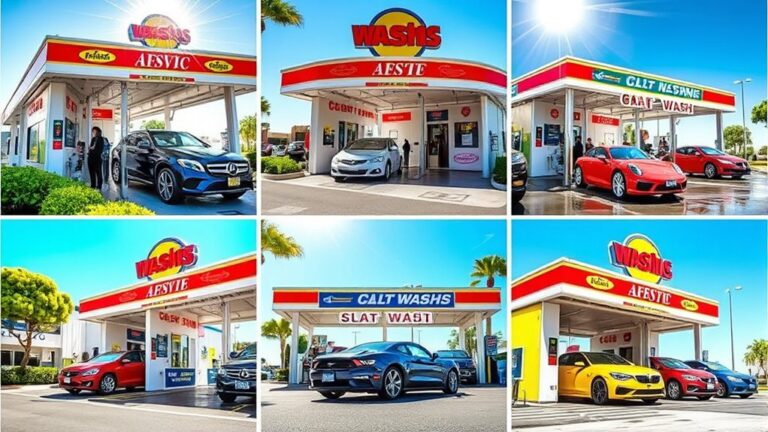
When you’re looking to keep your car clean, it’s essential to understand the different types of car washes available. You’ve got options like automatic, touchless, and hand washes, each with its own benefits.
Automatic car washes often use soft cloths that gently scrub your vehicle, but check the water temperature. Hot water can help dissolve dirt better.
Automatic car washes utilize soft cloths for a gentle scrub, and hot water enhances dirt removal efficiency.
Touchless washes rely on high-pressure water jets and cleaning solutions, eliminating any risk of scratches from physical contact.
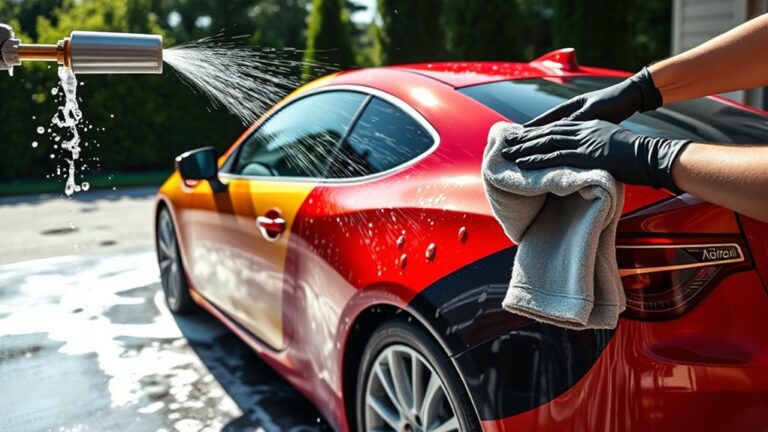
If you prefer a more personalized touch, hand car washes allow you to control the process, often using soft cloths and gentle techniques to protect your paint.
Consider your car’s needs, the level of dirt, and the time you have for cleaning. Each type has its pros and cons, so choose wisely to keep your car looking its best without risking damage to the paint.
Do Automatic Car Washes Damage Paint? Here’s What You Need to Know?
When you’re thinking about using an automatic car wash, you might ask yourself if it could harm your car’s paint. It really depends on a few things—the kind of brushes they use, the chemicals in the wash, and how often you get your car cleaned. All these factors can affect whether your paint stays perfect or ends up scratched. So, let’s dive into what you need to know to keep your car looking great.
Brush Types Matter
Choosing the right car wash can feel overwhelming, especially with all the options available. One vital factor to take into account is brush type. Soft cloth brushes are generally safer for your car’s paint than harsher bristles, which can lead to scratches.
Look for washes that use high-quality brush materials designed to minimize damage.
Equally important is brush maintenance. Well-maintained brushes are less likely to harbor dirt and debris that can harm your vehicle’s finish. Regular cleaning and upkeep of the brushes guarantee they’re as gentle as possible on your paint.
Before heading to a car wash, check reviews or ask about their brush materials and maintenance practices to protect your investment and keep your car looking its best.
Chemical Impact Analysis
While you might think all car washes are created equal, the chemicals used in automatic washes can greatly impact your vehicle’s paint. Many of these washes employ harsh detergents and waxes that can trigger chemical reactions, leading to paint degradation over time.
If you don’t choose the right wash, you might find your car’s finish dulling or becoming more susceptible to scratches. Some chemicals can strip protective coatings, leaving the paint vulnerable to environmental damage.
It’s crucial to be aware of the products being used and opt for washes that prioritize gentle, pH-balanced solutions. By doing your homework, you can help protect your car’s paint and maintain its shine for years to come.
Frequency of Use
Frequent visits to automatic car washes can raise concerns about potential damage to your vehicle’s paint. The frequency impact of your wash routine plays a significant role in how well your car’s finish holds up.
If you’re washing your car every week, you might be exposing it to brushes and chemicals that can wear down the protective layers. On the other hand, washing too infrequently can lead to dirt and grime buildup, which also harms your paint.
Striking a balance is essential. Consider using touchless washes or hand washes occasionally to minimize wear and tear. Ultimately, your wash routine should reflect both your driving conditions and your vehicle’s needs to maintain that glossy finish without compromising its integrity.
Brushes vs. Touchless Systems: Which Is Safer?
When it comes to car washes, you might be wondering which is safer for your paint: brushes or touchless systems. Brushes can sometimes scratch or damage your car’s surface. On the other hand, touchless technology tends to offer a gentler clean. Knowing these differences can really help you decide the best way to keep your vehicle’s finish looking great.
Brush Damage Risks
If you want to keep your car’s paint in top condition, understanding the risks associated with different car wash systems is essential. Brush washes can lead to paint abrasion due to brush wear over time. This may cause scratches and dullness on your car’s surface.
Here’s a quick comparison of key factors between brush and touchless systems:
| Feature | Brush Wash | Touchless Wash |
|---|---|---|
| Paint Safety | Higher risk of damage | Minimal risk |
| Cost | Generally cheaper | Typically more expensive |
| Cleaning Effectiveness | Effective but abrasive | Gentle yet thorough |
Choosing the right wash system matters. While brushes may clean well, they also pose a risk to your car’s finish.
Touchless Technology Benefits
While brush washes can leave your car looking clean, they often compromise paint integrity over time. Touchless systems offer a safer alternative, leveraging touchless efficiency and advanced sensors to guarantee a thorough clean without physical contact.
Here are some benefits of choosing touchless technology:
- Paint Protection: No brushes mean less risk of scratches or swirls.
- Efficient Cleaning: Advanced sensors target dirt and grime effectively.
- Quick Process: You’ll spend less time waiting for your car to get cleaned.
- Eco-Friendly Options: Many touchless washes use less water and biodegradable soaps.
Maintenance Tips for Longevity
Choosing the right car wash method can greatly impact your vehicle’s longevity. When considering paint care, you’ll want to weigh the pros and cons of different wash methods.
Touchless systems are often safer for your car’s finish, as they avoid brushes that can trap dirt and cause scratches. However, make sure that the cleaning agents used are gentle enough to maintain your paint’s integrity.
If you opt for brush-based washes, look for those with soft, microfiber brushes that minimize damage. Regular maintenance is key; washing your car every few weeks can prevent dirt buildup, which may harm the paint over time.
Ultimately, being mindful of your wash method can help keep your vehicle looking great for years to come.
Washing Frequency: How Often for Paint Protection?
How often should you wash your car to protect its paint? Keeping a consistent washing schedule is essential for maintaining paint protection. Here’s a simple guide to help you decide:
Maintaining a consistent washing schedule is crucial for protecting your car’s paint and keeping it looking its best.
- Weekly Washes: If you drive in urban areas or near construction sites, wash your car weekly to remove dirt and grime.
- Bi-Weekly Washes: For those in moderate environments, a wash every two weeks keeps your paint in good shape.
- Monthly Washes: If you park in a garage and don’t drive much, washing once a month may suffice.
- Seasonal Touch-Ups: During winter or after heavy rains, consider washing more frequently to combat road salt and contaminants.
How Water Quality Affects Your Car’s Paint
The quality of water you use to wash your car can greatly impact your paint’s condition. If your water has high hardness levels, it contains more minerals, which can lead to mineral buildup on your vehicle’s surface. This buildup not only dulls the shine of your paint but can also cause microscopic scratches over time.
When left untreated, these scratches can become more pronounced and lead to costly repairs. Additionally, using hard water for rinsing can leave spots that may be hard to remove, further compromising your car’s appearance.
To minimize these effects, consider using soft water for washing. If soft water isn’t an option, rinse your car thoroughly and dry it immediately to prevent mineral deposits from forming. By paying attention to water quality, you can help maintain your car’s paint and keep it looking its best for years to come.
Selecting the Best Car Wash Soap for Your Vehicle’s Paint
When you’re washing your car, selecting the right soap is essential for protecting your paint. Using the wrong car wash soap can lead to scratches or dullness, so keep these tips in mind for ideal paint compatibility:
- pH Balance: Choose a soap with a neutral pH to avoid damaging your paint’s finish. This helps keep your car looking fresh and vibrant.
- Foaming Action: Look for a soap that produces lots of foam. It lifts dirt gently without scratching the surface, making the wash safer for your paint.
- Wax-Infused Options: Consider soap that contains wax. It adds an extra layer of protection and shine, so your car looks great longer.
- Biodegradable Ingredients: Opt for eco-friendly soaps that are gentle on your paint and the environment. It’s a win-win for your car and the planet.
Are Hand Washes Safer for Your Car’s Paint?
When it comes to protecting your car’s paint, hand washing often has some clear advantages. You see, automated washes can sometimes cause scratches and swirl marks. But with a careful hand wash, you’re in control of the whole process and can use the right techniques. So, let’s dive into the benefits of hand washing and how to do it properly to keep your vehicle looking pristine.
Benefits Of Hand Washing
While many car owners opt for automatic washes due to convenience, hand washing offers distinct advantages that can better protect your vehicle’s paint. Here are four benefits of hand washing:
- Gentler Cleaning: You control the pressure and technique, reducing the risk of scratches.
- Eco-Friendly Products: You can choose biodegradable soaps and waxes that are safe for the environment.
- Thorough Inspection: Hand washing allows you to spot and address paint issues like chips or scratches immediately.
- Water Conservation: You can use less water by employing techniques like the two-bucket method, which minimizes waste.
Risks Of Automated Washes
Although automated car washes offer convenience, they can pose risks to your vehicle’s paint. The automated systems often use harsh wash materials that might scratch or damage your finish.
Moreover, dirt and debris can get trapped in the brushes, leading to unwanted abrasions.
| Risk Factor | Automated Washes | Hand Washes |
|---|---|---|
| Brush Quality | Often abrasive | Gentle, soft cloths |
| Dirt Removal | May leave residue | Thorough cleaning |
| Control Over Process | Limited | Full control |
| Cost | Usually cheaper | Generally more expensive |
Proper Hand Washing Techniques
Hand washing your car can greatly reduce the risk of paint damage compared to automated washes. To guarantee you’re using proper hand washing techniques, keep these hand washing essentials in mind:
- Use a pH-balanced car soap to prevent stripping wax and damaging paint.
- Choose a microfiber wash mitt for a gentle touch that won’t scratch the surface.
- Rinse often to remove dirt and debris, minimizing the risk of swirl marks.
- Adopt safe drying techniques like using a soft microfiber towel or a blower to avoid water spots.
Tips for Preventing Swirl Marks and Scratches
How can you keep your car’s paint looking flawless and free from unsightly swirl marks? Start by choosing the right washing tools. Use microfiber mitts and towels, as they’re gentle on your paint and improve scratch resistance. Always rinse your car thoroughly before washing to remove dirt and debris that can cause scratches.
For swirl mark prevention, wash your car in the shade to avoid heat-induced drying spots. Use a two-bucket method: one for soapy water and another for rinsing your mitt. This minimizes the chance of dirt getting back onto your paint.
After washing, dry your car with a soft, clean towel to prevent water spots. Finally, consider using a clay bar treatment a couple of times a year. This helps remove embedded contaminants that can lead to swirls. By following these tips, you’ll keep your car’s paint looking pristine and protected.
The Benefits of Waxing and Sealing for Paint Protection
When you want to keep your car’s paint protected, waxing and sealing are essential steps you shouldn’t overlook. These processes create protective layers that improve paint durability and shield your vehicle from environmental damage.
Here are four key benefits:
- UV Protection: Wax and sealants act as a barrier against harmful UV rays, preventing fading and oxidation.
- Hydrophobic Properties: They help repel water, dirt, and grime, making it easier to clean your car.
- Improved Shine: A good wax or sealant adds depth and gloss to your paint, keeping it looking new.
- Scratch Resistance: Protective layers can reduce the risk of minor scratches and swirl marks from everyday wear.
Signs Your Car’s Paint Has Been Damaged by Washing?
Have you ever wondered if your car wash routine might be harming your vehicle’s paint? If you notice paint swirl indicators, those annoying little scratches that catch the light, you might be dealing with damage. These swirls often result from using abrasive sponges or brushes at the car wash.
Another sign to watch for is clear coat issues. If your car’s surface feels rough or looks dull, the clear coat might be compromised. This layer protects your paint, and if it’s damaged, your car becomes more vulnerable to environmental factors.
Additionally, if you see fading or discoloration, that’s a clear red flag. You should also pay attention to water spots that don’t seem to wash off easily. If you notice any of these signs, it’s time to reconsider your car wash methods and possibly invest in a gentler approach to protect your vehicle’s finish.
Frequently Asked Questions
Can I Wash My Car Too Frequently?
Yes, you can wash your car too frequently. The frequency impacts your paint, especially if you use harsh wash types that strip away protective wax.
Regular washes are fine, but if you’re doing it several times a week, consider whether you’re using the right products. Opt for gentle washes and avoid abrasive materials.
Balance is key; you want your car clean without compromising its finish. Enjoy keeping it shiny, but don’t overdo it!
Does the Temperature Affect Car Wash Effectiveness?
Absolutely, temperature plays an essential role in your car wash experience. When it’s too cold, soap and water can freeze, limiting your wash technique’s effectiveness.
Conversely, high heat can cause soap to dry too quickly, leaving spots behind. You’ll want to find that sweet spot. Mild temperatures guarantee a thorough clean and help protect your car’s finish.
Are There Eco-Friendly Car Wash Options Available?
Yes, there are eco-friendly car wash options available. You can find facilities that use biodegradable soaps, which are less harmful to the environment.
Many of these washes also prioritize water conservation by using techniques like reclaiming water and minimizing waste. By choosing an eco-friendly car wash, you not only keep your car looking great but also contribute to a healthier planet.
It’s a win-win for you and the environment!
How Can I Dry My Car Without Scratching?
You can dry your car without scratching by using microfiber towels and gentle drying techniques. Picture a soft, fluffy cloud versus a rough, jagged rock; the former caresses while the latter scratches.
Start by shaking off excess water, then use a microfiber towel to gently blot, not rub. This approach helps avoid swirl marks.
Remember to fold the towel frequently to expose fresh, clean surfaces, ensuring your car stays pristine and protected.
What Should I Do if My Paint Gets Damaged?
If your paint gets damaged, act quickly. First, assess the extent of the damage. For minor scratches, you can use a paint repair kit that matches your car’s color. Clean the area thoroughly before applying the repair solution.
If it’s more severe, consider consulting a professional. After repairs, applying protective coatings helps prevent future issues, keeping your car looking great. Don’t wait too long; prompt action preserves your vehicle’s value!
Conclusion
So, while you might think a quick trip through the car wash is harmless, it could be your paint’s worst enemy. Ironically, that shiny finish you love might be hiding scratches and swirls, thanks to those seemingly innocent brushes or abrasive chemicals.
But hey, who needs a flawless car when you can sport a unique “character” look, right? Just remember, the next time you wash, think twice. Your car’s beauty deserves more than a one-size-fits-all approach because car washes can cause damage to your car’s paint.