How Does a Car Wash Damage Your Paint?
If you’ve ever worried about your car’s paint looking dull or scratched after a wash, you’re not alone. Many people struggle with keeping their car’s finish pristine while still wanting it clean and shiny. Finding the right car wash that protects your paint can feel tricky, but understanding how damage happens is the first step.
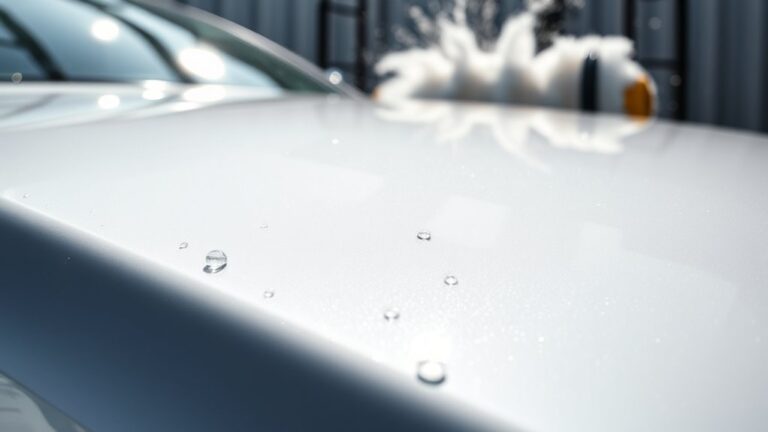
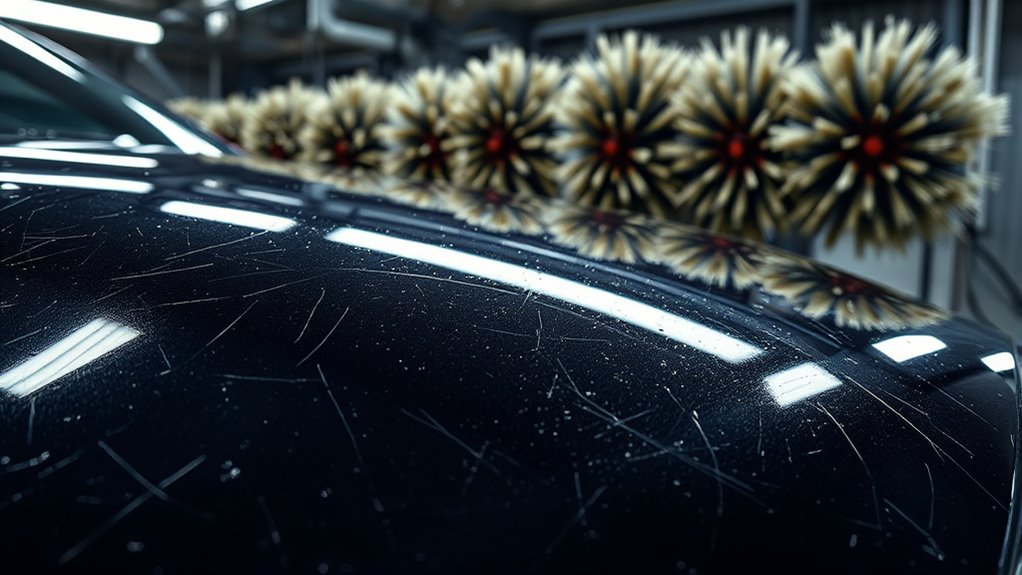
Car washes can damage your paint mainly through abrasive brushes and harsh chemicals. When you choose a wash with rough brushes, they can scratch your surface and dull the finish.
Furthermore, aggressive detergents may break down protective layers, leaving your paint vulnerable. Even frequent washing can create micro-scratches from friction.
To keep your car’s finish looking great, you’ll want to know the best practices and options available for safe car washing.
Key Takeaways
- Abrasive brushes can create micro-scratches that dull the paint finish over time. This also compromises the protection layers on your car.
- Harsh chemicals may degrade the paint and clear coat, which risks damaging your vehicle’s appearance.
- Frequent washing can cause friction-related micro-scratches, especially if you use improper tools.
- Inadequate rinsing can leave soap residue behind, and that residue can damage the paint and attract dirt.
- High-pressure sprays, if misused, can strip protective wax and potentially harm the paint surface.
Understanding Car Wash Types: What’s Safe for Your Paint?
How can you choose a car wash that won’t harm your paint? First, pay attention to the foam types they use. Opt for washes that utilize high-quality, pH-balanced foam instead of harsh chemicals. This helps lift dirt without scratching your paint.
Next, consider the drying techniques. Look for touchless or soft-cloth options since they minimize the risk of swirls and scratches. Avoid car washes with rough brushes or abrasive materials, as these can cause long-term damage to your finish.
Moreover, be cautious of any automated systems that don’t rinse thoroughly; leftover soap can harm your paint over time. Finally, if you’re unsure, ask for recommendations or check reviews to find a wash that prioritizes paint safety.
How Do Automatic Car Washes Operate?
Automatic car washes operate through a series of programmed steps designed to clean your vehicle efficiently. First, the process begins with foam application, where specialized soap covers your car to loosen dirt.
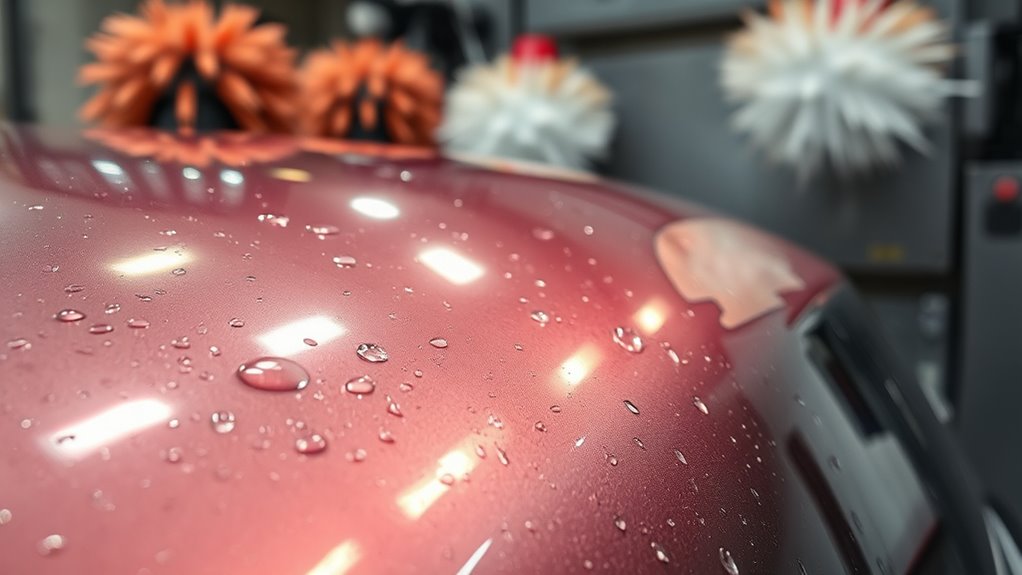
Next, brush mechanisms come into play, gently scrubbing the surface during wash cycles. These brushes rotate and move along your vehicle, guaranteeing a thorough clean while adhering to preset pressure settings to avoid damage.
After scrubbing, the rinse process kicks in. High-pressure water jets eliminate soap and grime, leaving your car sparkling. Some systems may use additional rinse stages to guarantee all residues are removed.
Finally, drying techniques, such as high-velocity air dryers or soft cloths, complete the process, preventing water spots. By understanding how these steps work together, you can appreciate the efficiency of automatic car washes while being mindful of their potential impact on your vehicle’s paint.
Why Are Abrasive Brushes Dangerous for Your Paint?
While you might appreciate the speed of an automatic car wash, abrasive brushes can pose a serious threat to your vehicle’s paint. These brushes often use harsh materials, like rough plastic or stiff nylon, that can scratch and dull your car’s finish. Over time, these micro-scratches build up, breaking down your paint protection and leaving your vehicle vulnerable to environmental damage.
When you drive your car through an automatic wash, the brushes swipe across the surface and can remove protective wax or sealant layers. This exposure not only compromises the paint’s integrity but also makes it easier for contaminants like dirt and grime to stick to the surface.
If you want to keep your car’s shine and longevity, consider hand washing or using a touchless system that cares for your paint. Protecting your vehicle’s finish is essential for both its appearance and resale value.
Are Harsh Chemicals Harming Your Car’s Paint?
Even if you’re diligent about washing your car, harsh chemicals in some cleaning products can seriously harm your paint. Many commercial car wash soaps contain aggressive detergents that start chemical reactions with your vehicle’s clear coat. This can lead to paint degradation over time, making your car look dull and lifeless.
When you use these products, you’re not just stripping away dirt; you’re also risking the integrity of your paint. The wrong chemicals can eat away at the protective layers, causing fading and discoloration. Even seemingly harmless substances like certain waxes can have additives that compromise your paint’s finish.
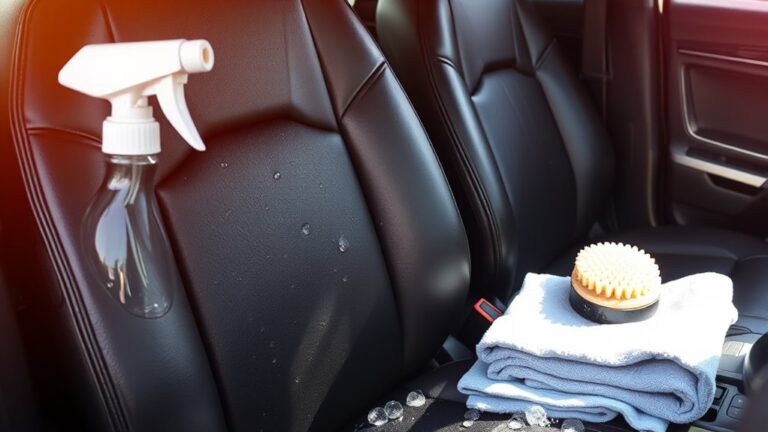
To protect your vehicle, always choose pH-balanced, gentle cleaners made specifically for automotive paint. Regular maintenance with the right products can keep your car looking its best and extend the life of its finish. Remember, prevention is key to avoiding costly paint repairs down the line.
The Impact of Frequent Washing on Your Paint
Frequent washing can ironically lead to more harm than good for your car’s paint. Each wash exposes your paint to potential abrasives and harsh chemicals, which can degrade its protective layer over time. When you wash your car too often, the constant friction from sponges or brushes can create micro-scratches, diminishing your paint’s shine and clarity.
Moreover, frequent exposure to water and cleaning agents can strip away wax and sealants designed to improve paint longevity. This leaves your vehicle more vulnerable to environmental factors like UV rays and pollutants, which can cause fading and oxidation.
While keeping your car clean is essential, balance is key. Aim for a routine that maintains its appearance without compromising the integrity of your paint. Consider using gentle methods and high-quality products to safeguard your car’s finish, ensuring it looks great for years to come.
Identifying and Preventing Swirl Marks: Causes and Solutions
Washing your car the wrong way can lead to unsightly swirl marks, which mar the glossy finish you’re trying to maintain. To prevent these marks, it’s vital to understand their causes and implement effective paint protection measures.
| Cause | Solution |
|---|---|
| Improper washing tools | Use microfiber towels |
| Dirty wash mitts | Rinse mitts frequently |
| Abrasive soaps | Opt for pH-balanced soap |
| Circular washing motion | Wash in straight lines |
For swirl mark prevention, always wash your car in the shade to avoid soap drying too quickly. Also, consider applying a high-quality wax or sealant after washing to improve paint protection.
Regular maintenance and careful washing techniques will keep your car looking pristine and free from those pesky swirl marks.
How Water Quality Affects Your Car’s Finish
While you might not think about it often, the quality of water you use to wash your car can greatly impact its finish. Water hardness plays a key role here; hard water contains high levels of minerals like calcium and magnesium. When you wash your car with hard water, these minerals can leave unsightly deposits on your paint.
Over time, these mineral deposits can create a dull appearance and affect the shine of your vehicle. Additionally, if you don’t rinse off hard water properly, it can lead to spotting, which becomes more challenging to remove.
Softened water, in contrast, reduces these mineral levels, allowing for a cleaner, streak-free finish. To keep your car looking its best, consider using filtered or softened water during your washes. This simple change can make a significant difference in maintaining your car’s aesthetic appeal and protecting its paint from damage.
The Risks of DIY Washing Techniques
Using the right water is just one aspect of maintaining your car’s finish. The washing method you choose also plays a significant role. DIY washing can come with serious risks that might damage your paint. Here are three common pitfalls to avoid:
- Contaminated Sponges: Using dirty or old sponges can introduce grit and grime that scratch your paint. Always use clean, dedicated washing tools.
- Improper Techniques: Rubbing in circles or applying too much pressure can create swirl marks. Stick to straight strokes, and let the soap do the work.
- Inconsistent Water Temperature: Washing with water that’s too hot or too cold can affect your soap’s effectiveness and could potentially harm the paint.
Best Practices for Safe Car Washing
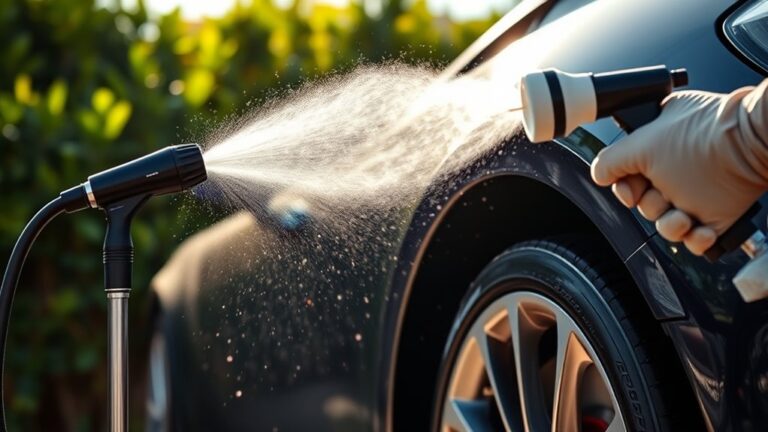
To keep your car’s paint in top condition, following best practices during washing is essential. A hand wash, using the right tools and techniques, can markedly reduce damage. Always start by rinsing off loose dirt, then use a microfiber mitt and pH-balanced soap. Rinse frequently to avoid soap residue.
Here’s a simple guide:
| Step | Action | Tool |
|---|---|---|
| 1 | Rinse | Hose or pressure washer |
| 2 | Wash with soap | Microfiber mitt |
| 3 | Rinse again | Hose or pressure washer |
After washing, dry your car with a soft towel to prevent water spots. Also, consider using proper detailing techniques, like clay bar treatment, to maintain a smooth surface. These practices help protect your paint, ensuring your vehicle looks its best for years to come.
How to Choose a Safe Car Wash for Your Vehicle?
Finding a safe car wash is as important as knowing how to wash your vehicle yourself. Choosing the right option can protect your paint and improve your car’s appearance. Here are three tips to help you select a safe car wash:
- Evaluate the Wash Method: Consider hand wash vs. machine wash. Hand washes often use gentler techniques, while machine washes may have brushes that can scratch your paint.
- Check for Quality Products: Verify the car wash uses high-quality soaps and waxes. This not only cleans effectively but also protects your vehicle’s finish.
- Look for Detailing Services: A car wash that offers detailing services likely prioritizes paint care. They usually have trained staff who know how to handle your vehicle with care.
Frequently Asked Questions
Can Weather Conditions Affect Paint Damage During Car Washes?
Yes, weather conditions can notably affect paint damage during car washes. If it’s too hot or cold, the extreme temperatures can weaken your paint protection, making it more susceptible to scratches and swirls.
Rain or snow can also introduce contaminants that, when combined with wash soap, might harm your car’s finish. By washing your car in mild weather, you help guarantee your paint protection stays intact and your vehicle looks its best.
How Does Wax Affect Paint Durability After Washing?
Applying wax to your car’s paint is like wrapping it in a protective cloak. After washing, the wax improves paint durability by creating a barrier against contaminants and UV rays.
This wax application seals the surface, preventing oxidation and fading, while also making it easier to wash off dirt in the future. As you maintain your car, keep in mind that regular waxing boosts the longevity of your paint, keeping it shiny and protected.
Are Touchless Car Washes Safer Than Traditional Ones?
Yes, touchless car washes are generally safer than traditional ones. They use foam types that gently lift dirt without making contact with your paint, reducing the risk of scratches.
If you wash your car frequently, a touchless option helps maintain your vehicle’s finish while avoiding potential damage from brushes or cloths. Just make sure the wash uses high-quality products, as some harsh chemicals can still harm your paint over time.
What Role Does Drying Technique Play in Paint Preservation?
Drying technique plays an essential role in paint preservation. If you use harsh materials, you risk scratching your paint. Instead, opt for gentle drying methods like microfiber towels.
They absorb water without causing damage, leaving your car’s surface smooth and shiny. Avoid air dryers that can blow dirt back onto the paint. By choosing the right drying method, you protect your car’s finish and keep it looking pristine for longer.
Can Ceramic Coatings Protect Against Car Wash Damage?
Imagine your car wrapped in a shimmering armor, glistening under the sun. Yes, ceramic coatings can protect against car wash damage! These coatings act like a shield, enhancing your paint’s durability and keeping it looking fresh.
With ceramic benefits, you get added resistance to scratches and contaminants. Plus, the coating longevity means fewer touch-ups, letting you enjoy that stunning shine longer.
Conclusion
In the grand tapestry of car care, your vehicle’s paint is the delicate thread that deserves protection. By choosing the right washing methods and being mindful of potential hazards, you can preserve that radiant finish.
Think of your car as a modern-day chariot; treat it with respect to keep it shining like the sun. Ultimately, with a bit of knowledge and care, you can guarantee your ride remains a masterpiece rather than a canvas of damage from a car wash.