DIY Guide to Make Car Washer Fluid at Home
If you’ve ever struggled with streaky windshields or expensive store-bought washer fluids that don’t quite do the job, you’re not alone. Many drivers want a reliable, affordable way to keep their windshields crystal clear without constantly running to the store.
Luckily, making your own car washer fluid at home is a simple solution that saves money and gives you control over what’s in it.
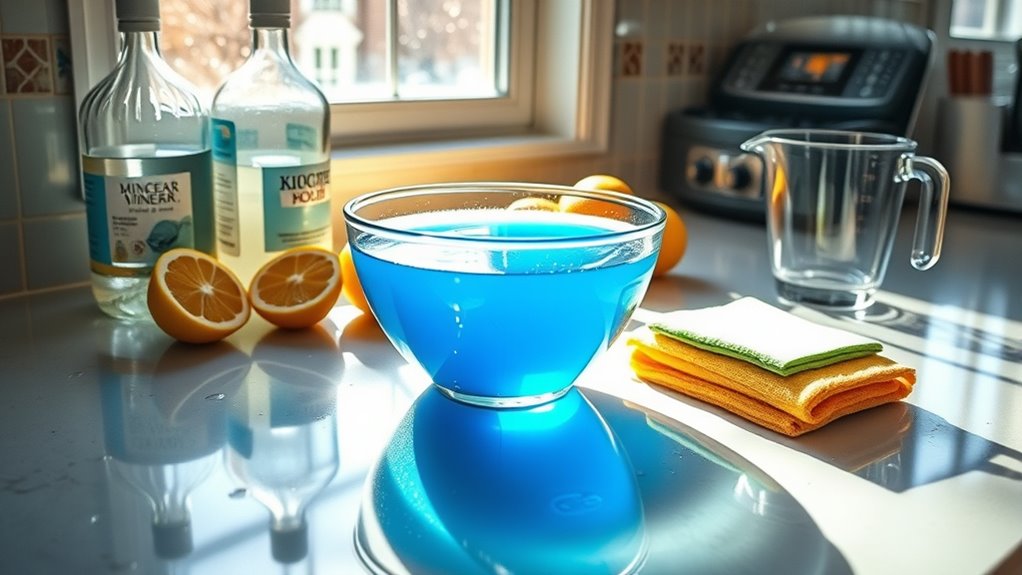
Making your own car washer fluid is easy and cost-effective. You’ll need distilled water, white vinegar, and a couple of drops of dish soap.
Mix three parts water with one part vinegar, add the soap, and pour it into a container. This DIY solution helps clean your windshield while being eco-friendly.
You can customize it for different weather conditions too.
Keep going to uncover more tips on perfecting your washer fluid and maintaining your wipers!
Key Takeaways
- Combine three parts distilled water with one part white vinegar and a few drops of dish soap for an effective DIY washer fluid.
- Customize formulas for weather: use alcohol in cold climates and extra vinegar in hot weather to prevent streaks.
- Incorporate essential oils or lemon juice for added cleaning power and a pleasant fragrance in your washer fluid.
- Regularly inspect and clean wiper blades and nozzles to ensure the optimal performance of your homemade washer fluid.
- Store your DIY washer fluid in a sealed container and label it for safety and easy access.
Why You Should Make Your Own Car Washer Fluid
Making your own car washer fluid not only saves you money but also gives you complete control over the ingredients. By choosing to create your own solution, you can considerably cut down on costs compared to store-bought options. Plus, you can tailor the fluid to meet your specific cleaning needs, ensuring your windshield stays crystal clear.
Additionally, making your own washer fluid offers environmental benefits. Commercial products often contain harsh chemicals that can harm ecosystems when washed away. By opting for natural ingredients, you reduce your carbon footprint and contribute to a cleaner planet. You’re not just saving money; you’re also making a responsible choice that aligns with sustainable practices.
Essential Ingredients for DIY Washer Fluid
When making your own car washer fluid, you’ll need a few common ingredients to get started. It’s pretty straightforward, really. Just a heads-up though—safety is key here. You want to protect yourself and your vehicle, so handling these materials with care is important. Let’s take a look at what you’ll need and how to do it safely.
Common Ingredients Used
Many people turn to DIY solutions for their car maintenance needs, and creating your own washer fluid is no exception. To make an effective washer fluid, you’ll want to gather a few common ingredients. These include:
- Vinegar solution: Acts as a natural cleaner and helps cut through grime.
- Alcohol mixture: Prevents freezing in colder temperatures and boosts cleaning power.
- Essential oils: Adds a pleasant fragrance and can provide additional cleaning benefits.
You can also consider using color additives for a personal touch. By combining these ingredients, you can create a washer fluid that’s not only effective but also eco-friendly. Your car’s windshield will thank you for it!
Safety Precautions Needed
While crafting your own washer fluid can be rewarding, it’s important to prioritize safety. Start by wearing protective gear like gloves and goggles to shield yourself from any splashes or spills.
When mixing ingredients, make sure you’re in a well-ventilated area to avoid inhaling any fumes. Remember, proper chemical handling is vital; always read labels and understand the properties of each ingredient you use.
It’s wise to keep all materials out of reach of children and pets. If you accidentally spill a mixture, clean it up immediately to prevent slips or chemical reactions.
Step-by-Step Guide to Create Your Washer Fluid
Creating your own washer fluid is a simple and cost-effective way to keep your car’s windshield clean. This DIY approach not only improves windshield clarity but also guarantees the fluid consistency you need for effective cleaning. Here’s how to do it:
- Gather Your Ingredients: You’ll need distilled water, white vinegar, and a few drops of dish soap.
- Mix the Solution: In a clean container, combine three parts distilled water with one part white vinegar. Add a couple of drops of dish soap to break down grime.
- Store Properly: Pour the mixture into a clean washer fluid container, making sure it’s sealed tightly.
Testing Your DIY Washer Fluid Effectively
Now that you’ve mixed your DIY washer fluid, it’s important to test its effectiveness before hitting the road. Start by pouring a small amount onto your windshield and using your wipers to see how well it cleans. Look for streaks or residue; these can indicate that the fluid isn’t performing as expected.
Next, conduct a performance test under different conditions. Try it on a dirty windshield to simulate real driving situations. If it struggles to remove grime or leaves streaks, you may need to adjust your recipe.
You should also check for freezing point effectiveness if you live in a colder climate. Pour some fluid into a container and place it in the freezer for a few hours. If it freezes, consider adding more alcohol or adjusting your mixture. By thoroughly testing your DIY washer fluid, you guarantee it’ll keep your windshield clear and safe.
Top Mistakes to Avoid in DIY Washer Fluid Preparation
When you plunge into DIY washer fluid preparation, it’s easy to overlook some common mistakes that can affect performance. Understanding these pitfalls can save you time and guarantee your fluid works effectively.
Ignoring dilution ratios: Many think that simply mixing ingredients without proper measurements will suffice. It’s essential to follow recommended dilution ratios to avoid streaking or residue.
Using inappropriate ingredients: Flavor preferences might lead you to add scents or colors that aren’t suitable for washer fluid. Stick to safe, effective components like distilled water and vinegar.
Neglecting seasonal adjustments: A common misconception is that one formula works year-round. In colder months, you’ll need to include antifreeze components to prevent freezing.
Customize Your Washer Fluid for Weather
When it comes to washer fluid, customizing it for the weather can really make a difference. In cold temperatures, you’ll want a formula that prevents freezing. On the other hand, hot weather calls for additives that tackle grime and bugs. So, let’s dive into how to make your washer fluid work effectively no matter the season.
Cold Weather Formula
As temperatures drop, having the right washer fluid becomes essential to maintain visibility on icy roads. You need a cold weather formula that offers frost protection while guaranteeing windshield clarity. Here’s how to customize your washer fluid:
Mix one part water with two parts isopropyl alcohol to prevent freezing. Then, add a few drops of dish soap for effective dirt removal. Finally, include a pinch of blue food coloring to make it visually appealing and easy to spot.
This combination helps prevent your washer fluid from freezing while keeping your windshield clear of grime and frost. By preparing your own cold weather formula, you’ll ensure you’re always ready to tackle those winter conditions safely.
Hot Weather Additives
With winter behind you, it’s time to think about how to keep your windshield clear during the warmer months. Hot weather brings its own challenges, like increased dust and bugs, so adding specific ingredients can help.
Consider mixing in a few drops of dish soap to break down grime effectively. For sun protection, a small amount of vinegar can help prevent streaks and keep your glass shining.
Furthermore, if you live in a humid area, adding a bit of rubbing alcohol can counteract humidity effects, preventing your washer fluid from getting cloudy. This simple tweak keeps your visibility sharp and your windshield clean, ensuring safe driving even on the sunniest days. Enjoy the clear view!
How to Store Your Homemade Washer Fluid Safely
Storing your homemade washer fluid safely is essential to prevent accidents and make sure it remains effective. Follow these tips to keep your fluid in top condition:
Use proper storage containers. Choose opaque, tightly sealed containers to protect the fluid from light and air exposure, which can degrade its quality.
Labeling fluids is important. Clearly label each container with the contents and date of creation. This helps you track freshness and prevents accidental misuse.
Store in a cool, dry place. Keep your washer fluid away from direct sunlight and extreme temperatures. A garage or shed works well, but make sure it’s out of reach of children and pets.
Eco-Friendly DIY Washer Fluid Alternatives
If you’re looking for eco-friendly alternatives to commercial washer fluids, you’re in luck! You can easily whip up your own using green ingredients that are both safe for the environment and effective.
Start with a mixture of distilled water and white vinegar; this combo cuts through grime while being gentle on surfaces. For added cleaning power, consider adding a few drops of biodegradable dish soap.
Another fantastic option is to use lemon juice, which not only smells great but also helps break down dirt. To improve your solution, incorporate a few drops of essential oils like eucalyptus or tea tree, known for their antibacterial properties.
Troubleshooting: What to Do If It Doesn’t Work
Sometimes, your DIY washer fluid might not perform as expected, leaving you frustrated. If you’re facing issues, don’t worry! Here are some troubleshooting techniques to help you out:
Check Fluid Consistency: If your fluid is too thick or too thin, it won’t clean effectively. Adjust your water-to-ingredient ratio until you find the right balance.
Inspect the Nozzles: Clogged nozzles can prevent fluid from spraying properly. Use a pin or needle to clear any blockages.
Test the Dilution: If you’ve diluted your fluid too much, it may not clean well. Try using less water or adding more cleaning agents.
Maintain Your Windshield Wipers and Fluid System
After troubleshooting any issues with your DIY washer fluid, it’s time to focus on keeping your windshield wipers and fluid system in excellent shape. Regular wiper maintenance is vital for clear visibility. Check the wiper blades every few months for wear or damage.
If they’re fraying or leaving streaks, replace them to guarantee peak performance. Next, inspect your fluid system. Confirm the washer fluid reservoir is full and check for any leaks in the hoses.
If your fluid isn’t spraying properly, clean the nozzles with a pin to remove any blockages. During colder months, consider using a winter-specific fluid to prevent freezing. It’s also a good idea to periodically flush the system to keep it clean.
Frequently Asked Questions
Can I Use Vinegar in My Washer Fluid Recipe?
Yes, you can use vinegar in your washer fluid recipe! Vinegar benefits include its ability to cut through grime and improve visibility. When mixed with water, it creates a simple solution that’s effective for cleaning your windshield.
If you’re looking for alternative recipes, consider combining vinegar with dish soap and essential oils for added cleaning power and a pleasant scent. Just make certain to test it on a small area first to confirm compatibility!
How Long Does Homemade Washer Fluid Last?
Homemade washer fluid can last about a month, much like a fresh bloom that wilts without care. To keep it vibrant, use proper preservation techniques. Store it in airtight storage containers, away from direct sunlight. This way, you’ll maintain its effectiveness longer.
Regularly check for any changes in color or smell, as those signs can indicate it’s time to whip up a new batch. Keep your windshield clear and your fluid fresh!
Is It Safe for Tinted Windows?
Yes, homemade washer fluid can be safe for tinted windows if you use the right ingredients. Always avoid ammonia-based solutions, as they can damage the tint.
When you mix your fluid, make sure it’s effective for cleaning without harming the film. Test a small area first to check for any adverse reactions.
What Color Should My Washer Fluid Be?
Washer fluid colors typically range from blue to green, and sometimes orange or pink. These colors help with fluid visibility, making it easier for you to spot leaks or low levels in your reservoir.
Always choose a fluid that stands out against your vehicle’s paint and surroundings. Clear fluids can be hard to see, so stick to vibrant colors for safety and efficiency while driving.
Can I Add Fragrance to My Washer Fluid?
Sure, you can add fragrance to your washer fluid! Just like adding a splash of lemon to your water brightens your day, a few drops of essential oils can freshen your car.
Popular fragrance options include lavender or eucalyptus, which not only smell great but also have cleansing properties. Just be cautious; too much oil can leave a residue.
Start with a few drops and adjust to your preference for a delightful driving experience!
Conclusion
Making your own car washer fluid isn’t just practical; it’s like giving your vehicle a revitalizing drink! By using simple ingredients, you save money and keep your car sparkling clean.
Remember, a clear windshield isn’t just about visibility; it’s about safety on the road. So, roll up your sleeves and give it a try!
After all, every time you clean your windshield, you’re not just seeing clearly; you’re driving confidently with your homemade car washer fluid.