What Temperature Is Too Cold to Wash Your Car?
Washing your car in cold weather can be a real challenge. You’re not alone if you’ve ever wondered, “What temperature is too cold to wash your car?” Many people struggle with knowing when it’s safe to clean their vehicle without causing damage or dealing with frozen water.
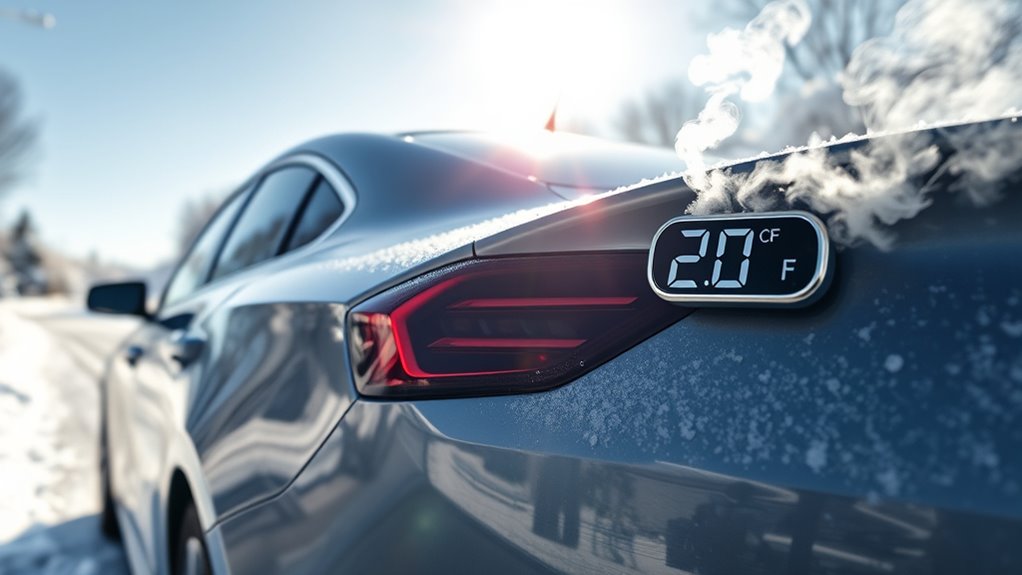
Washing your car becomes risky when temperatures drop below 32°F. At this point, water can freeze on your vehicle, creating ice that makes driving unsafe. You might also face issues with door locks freezing or visibility being obstructed by ice on the windshield.
In addition, cold conditions can harm your car’s paint and finish. It’s best to avoid washing your car in these frigid temperatures, and you’ll find tips on managing cold weather washing next.
Key Takeaways
- Washing your car is not advisable when temperatures drop below 32°F (0°C) due to freezing risks. Ice can form on the vehicle quickly, creating unsafe driving conditions.
- Water can freeze in door locks and hinges, making it harder to get into your car.
- Thick snow or ice can get in the way and make washing your car less effective.
- Also, colder temperatures mean your car takes longer to dry, which can cause water spots or ice to form on the surface.
Best Practices for Washing Your Car in Cold Conditions
When temperatures drop, washing your car can be tricky, but it’s still doable with the right approach. Start by using cold water, but avoid letting it freeze on your vehicle. Choose a sunny day when possible; the warmth from the sun can help prevent ice from forming.
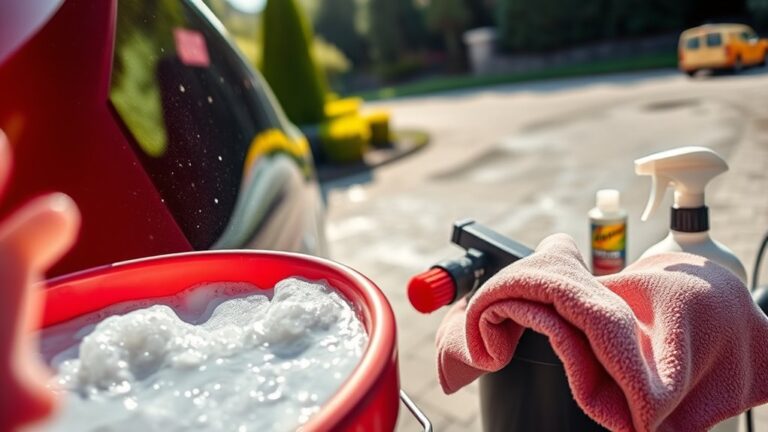
Use gentle washing techniques. A foam cannon can help keep the water from freezing too quickly. Opt for a high-quality car shampoo that won’t freeze as easily. If you’re using a hose, keep it indoors or insulated to prevent the water from getting too cold.
After washing, dry your car thoroughly with microfiber towels to prevent water spots and ice formation. Don’t forget to clean the wheels and undercarriage, as road salt can cause damage. By following these best practices, you can keep your car looking great even in cold conditions.
What Is the Ideal Temperature for Washing Your Car?
When it comes to washing your car, the ideal temperature is usually between 50°F and 70°F. In this range, cleaning solutions tend to work better, making it easier to get a spotless finish. So, if you want the best results, try to pick a day when the temperature feels comfortable—not too hot or too cold.
Optimal Temperature Range
Although you might think any temperature is fine for washing your car, the ideal range is typically between 50°F and 70°F. Staying within this range helps guarantee that your car wash techniques are effective and safe.
Here are some reasons why these temperature guidelines matter:
- Water and soap mix properly, enhancing cleaning power.
- Wax and sealants adhere better to surfaces.
- You’re less likely to encounter freezing issues with water.
- Your hands and body will be more comfortable during the wash.
- Dirt and grime come off more easily, saving time.
Washing your car in the best temperature range not only boosts effectiveness but also protects its finish. So, keep these temperature guidelines in mind for a successful car wash!
Impact on Cleaning Effectiveness
The effectiveness of washing your car considerably hinges on temperature, as warmer water helps break down dirt and grime more efficiently. When you use hot water, it activates cleaning agents, making them work harder to lift away stubborn residues. Cold water, on the other hand, might not dissolve these agents as effectively, leaving your car less clean.
Additionally, effective rinse techniques become essential in colder temperatures. If the water isn’t warm enough, you might struggle to rinse away all the soap, which can lead to streaks or spots. So, for the best results, aim for a temperature above 60°F. This way, you guarantee your cleaning agents perform at their best, giving your car that sparkling finish you want.
Effects of Washing Your Car in Freezing Temperatures?
Washing your car in freezing temperatures can cause some serious problems. Ice can form really fast on your vehicle, which not only makes it unsafe but can also mess up the paint finish. So, it’s important to think about these risks before you decide to wash your car when it’s cold outside.
Risks of Ice Formation
When temperatures drop below freezing, washing your car can lead to serious risks of ice formation. You might think a quick rinse is harmless, but the consequences can be significant. Ice hazards can develop quickly, making your vehicle unsafe.
Water can freeze in door locks and hinges. Ice can form on the windshield, obstructing visibility. Water pooling in wheel wells can freeze, affecting your tires. Ice can trap dirt and debris, leading to corrosion. A wet car in freezing temperatures can become a slipping hazard.
To avoid these issues, it’s best to wait for milder weather or opt for a professional car wash that uses heated water. Your vehicle and safety will thank you.
Damage to Paint Finish
While you might think washing your car in freezing temperatures is a harmless chore, it can actually harm your paint finish. Cold water can freeze on your vehicle’s surface, leading to micro-cracks in the paint. This not only diminishes your paint protection but also shortens your car’s finish longevity.
| Effect | Description | Emotional Impact |
|---|---|---|
| Micro-Cracks | Tiny fractures in the paint | Frustration & Disappointment |
| Loss of Gloss | Dull appearance | Sadness & Regret |
| Increased Damage Risk | More prone to rust and chips | Anxiety & Concern |
Risks of Water Freezing on Your Car’s Surface
As temperatures drop, the risks of water freezing on your car’s surface become a serious concern. When frozen water clings to your vehicle, it can lead to various issues you should be aware of:
- Surface damage: Ice can scratch or chip your paint.
- Frozen locks: Ice buildup may prevent you from accessing your car.
- Wipers and seals: Frozen water can damage wiper blades or rubber seals.
- Brake performance: Ice accumulation around brakes can hinder their effectiveness.
- Visibility issues: Ice on windows can obscure your view, making driving dangerous.
Addressing these risks is essential to maintaining your vehicle’s integrity. If you wash your car in cold weather, make sure you take precautions to minimize frozen water on its surface. By doing so, you can help prevent potential damage and keep your car in top shape.
How Cold Weather Harms Your Car’s Paint and Finish
Cold weather can seriously impact your car’s paint and finish. When temperatures drop, the paint can actually freeze, which makes it more likely to get damaged. On top of that, the wax on your car doesn’t work as well to protect it when it’s cold out.
And there’s more—road salt tends to build up during winter, which can cause corrosion. This not only harms your car’s appearance but can also lead to more serious damage over time. So, it’s important to take extra care of your car when the temperature starts to fall.
Paint Freezing Risks
When temperatures dip, the risk to your car’s paint and finish increases considerably. Cold weather can harm your vehicle in several ways, so it’s essential to focus on paint protection during winter maintenance. Here’s what you need to be aware of:
Paint can become brittle and more susceptible to chips. Ice and snow can trap dirt and grime, leading to scratches. Road salt can damage the clear coat, causing corrosion. Washing your car in freezing temps can leave water spots. Sudden temperature changes can crack your paint.
To protect your investment, consider using a quality wax or sealant before winter sets in. This proactive step can help maintain your car’s appearance and shield it from harsh elements.
Wax Effectiveness Decreases
While winter’s chill can be harsh on your car’s exterior, it also diminishes the effectiveness of wax. As temperatures drop, the wax’s ability to bond with your car’s paint weakens, leading to reduced wax longevity.
When it’s cold, the wax may not fully cure, leaving your car vulnerable to scratches and fading. The temperature effects can prevent proper application and maintenance, which means you might not get the protection you expected.
If you apply wax in frigid conditions, it might not adhere well, ultimately compromising your car’s finish. To keep your vehicle’s paint looking its best, consider waiting for milder temperatures before waxing, ensuring you maximize the protective benefits.
Salt Damage Accumulation
As winter weather sets in, the accumulation of road salt can wreak havoc on your car’s paint and finish. It’s essential to prioritize winter maintenance to protect your vehicle. Here’s what you need to know:
Salt can cause corrosion, leading to rust issues. It also dulls your car’s finish, making it look worn. Plus, salt accumulation can degrade protective coatings.
If left unchecked, it can damage the underlying metal. Regular washing, even in cold weather, helps mitigate damage.
Don’t let salt damage sneak up on you! Make it a habit to rinse off the salt regularly, even if it’s chilly. Your car’s appearance and longevity will thank you.
Alternatives to Traditional Car Washing in Winter
Although winter can make traditional car washing challenging, there are several effective alternatives to keep your vehicle clean. You can try foam alternatives like snow foam, which clings to dirt and grime. This allows it to be rinsed away easily without a lot of water. If you prefer DIY solutions, a simple mixture of vinegar and water can help cut through road salt and grime, making it a budget-friendly option.
Here’s a quick comparison of some alternatives:
| Method | Effectiveness | Ease of Use |
|---|---|---|
| Snow Foam | High | Moderate |
| Vinegar Mix | Moderate | Easy |
| Waterless Wash | High | Very Easy |
| Rinseless Wash | Moderate | Easy |
With these options, you can keep your car looking good without braving the cold.
How to Protect Your Car After Washing in the Cold
To protect your car after washing it in the cold, it’s important to take immediate steps that prevent freezing and damage. Proper car care during winter maintenance is vital for keeping your vehicle in top shape. Here are some effective tips:
Dry your car thoroughly: Use microfiber towels to remove excess water, focusing on areas where ice can form.
Apply a wax coat: A good wax layer protects the paint and helps repel moisture.
Treat rubber seals: Use silicone spray to keep door seals flexible and prevent freezing.
Check your fluids: Make sure that antifreeze and washer fluids are topped off to avoid freezing.
Park in a garage: If possible, keep your car in a heated space to avoid temperature shocks.
How to Tell If It’s Too Cold to Wash Your Car?
When should you reconsider washing your car in the cold? If temperatures dip below 32°F (0°C), it’s time to think twice. Water can freeze on your car’s surface, leading to ice buildup that might damage your paint or create dangerous driving conditions.
Moreover, check for any snow or ice already on your vehicle; if it’s too thick, car washing won’t be effective and can leave your car dirtier.
You should also pay attention to the forecast. If rain or freezing temperatures are expected soon after washing, it’s best to hold off.
Finally, consider how quickly your car dries. In cold temperatures, drying can take longer, increasing the risk of water spots or ice forming. If you notice these signs, it’s wiser to skip car washing until conditions improve.
When Is the Best Time to Wash Your Car in Winter?
Finding the right moment to wash your car during winter can make all the difference. To guarantee effective winter car care, aim for the best washing times. Here’s when you should consider washing your vehicle:
- On sunny days above 32°F
- Mid-morning when temperatures start to rise
- After a snowfall to remove salt and grime
- Before a freeze, to prevent ice buildup
- When road conditions are clear, minimizing dirt
Timing is essential. Washing on warmer days helps prevent water from freezing on your car. Aim for a day when the sun’s out, as it can help dry your vehicle faster and reduce the risk of ice.
Essential Tips for Washing Your Car in Cold Weather
While winter washing might seem challenging, you can still keep your car in great shape with a few essential tips. First, choose the right time of day. Aim for midday when temperatures are warmer. Use car wash techniques that minimize water usage, like rinseless washes or foam sprays, which can help prevent freezing.
Make sure to dry your car thoroughly to avoid ice formation on the surface. If you can, park your car in a garage after washing to help it dry faster and protect it from harsh outdoor conditions.
Don’t forget about your wheels; they can trap road salt and grime. Regular winter maintenance, like applying a wax coat before winter, can also shield your paint from damage. By following these tips, you’ll keep your car looking sharp and performing well, even in the coldest months.
Frequently Asked Questions
Can I Use Hot Water to Wash My Car in Cold Weather?
Yes, you can use hot water to wash your car in cold weather. Hot water helps dissolve dirt and grime more effectively, making the job easier. However, you should take some cold weather precautions.
Verify the hot water doesn’t freeze on your car’s surface, and avoid washing in extreme temperatures to prevent potential damage. Also, make certain to dry the car quickly to avoid ice formation. Enjoy the benefits of a cleaner ride!
Is It Safe to Wash My Car With a Pressure Washer in Winter?
Sure, washing your car with a pressure washer in winter sounds like a blast. Who doesn’t love freezing fingers and slippery driveways? But really, think safety first!
Winter washing tips include using a heated pressure washer to prevent ice formation. Make sure to keep the nozzle at a safe distance to avoid damage.
If it’s too cold, maybe let your car enjoy a winter coat of dirt instead!
What Types of Soap Are Best for Cold Weather Car Washing?
For cold weather car washing, you should use specialized cold weather soap designed to work effectively in low temperatures. These soaps help prevent freezing and guarantee your car gets a thorough clean without damage.
Look for products labeled for winter car care, as they often contain additives that improve performance in chilly conditions. This way, you’ll keep your vehicle looking great while protecting it from the harsh winter elements.
How Often Should I Wash My Car During Winter Months?
You might think washing your car during winter’s chill is pointless, but it’s actually vital for winter maintenance! Aim to wash your car every two weeks to keep dirt, salt, and grime at bay.
Those pesky elements can cause long-term damage, so regular washes provide essential car protection. Plus, a clean car just feels better, right? So, grab that bucket and keep your ride sparkling, even when the temperatures drop!
Will Using a Sponge Damage My Car’s Surface in Freezing Temperatures?
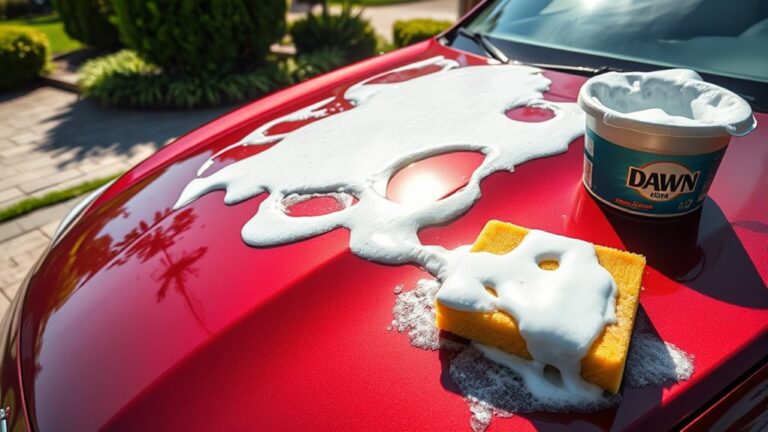
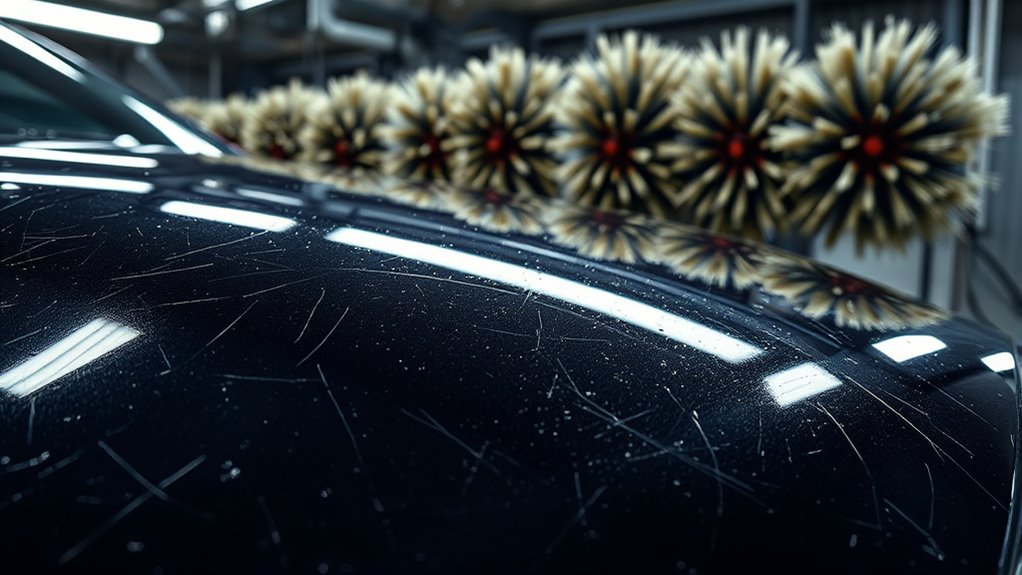
Using a sponge in freezing temperatures can potentially damage your car’s surface. If the sponge isn’t the right type, like a soft microfiber, it might scratch or mar the paint.
Cold conditions can also cause dirt to harden, making it tougher on your car’s finish. To guarantee surface protection, opt for gentle materials and warm water.
Always rinse thoroughly to remove any debris before washing, keeping your car looking its best during winter.
Conclusion
When winter’s chill sets in, keep in mind that washing your car in too-cold temps can be like throwing ice water on a flame—it might just freeze your efforts. Aim for temperatures above 32°F, and take precautions to protect your ride.
With the right timing and care, your car can shine like a guiding light even in the frost. So, gear up, choose wisely, and keep that winter grime at bay! Remember, knowing what temperature is too cold to wash your car will help you keep your vehicle looking great all season long.