What Temperature Is Too Cold to Wash Your Car?
Washing your car in cold weather can be tricky, and if you’ve ever wondered, “What temperature is too cold to wash your car?” you’re not alone. Many people struggle with keeping their vehicles clean during chilly months without risking damage from freezing water.
It’s a common concern that can leave you unsure when or how to wash your car safely as temperatures drop.
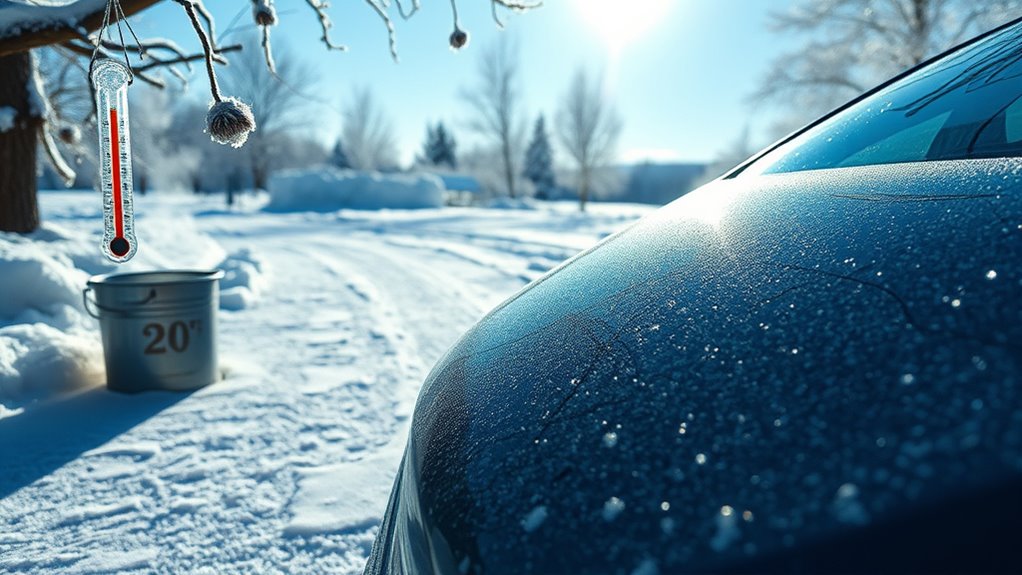
Washing your car when temperatures drop below 32°F (0°C) can lead to freezing water and ice formation, which may damage your vehicle’s paint and operation.
It’s best to wash when it’s between 32°F and 50°F, using warm water and gentle soap. Quick rinses are ideal in colder conditions.
Regular maintenance is essential during winter to protect your car. Want to know more about how to keep your vehicle safe in winter?
Key Takeaways
- Washing your car below 32°F (0°C) can lead to water freezing on the vehicle, creating hazardous conditions.
- Temperatures below 50°F (10°C) can affect soap effectiveness, making it thicker and reducing lathering.
- Ice formation can damage car paint and impact vehicle handling, especially if water seeps into cracks.
- Poor visibility from ice on windows after washing poses a significant safety risk while driving.
- Regular washes in winter are essential, ideally every two weeks, to combat road salt and grime buildup.
What’s the Safest Temperature to Wash Your Car in Winter?
When is it safe to wash your car during winter? Ideally, you want to wash your car when temperatures are above 32°F (0°C). This helps prevent water from freezing on your vehicle and causing potential damage. Use winter washing techniques like warm water and a gentle soap to effectively remove grime and salt.
If you can, choose a sunny day because the warmth from the sun can make a difference. After washing, make sure to use safe drying methods. Microfiber towels are great for drying off surfaces without scratching the paint. Avoid letting water sit in crevices since it can freeze and lead to issues later.
Risks of Washing in Cold Weather
Washing your car in cold weather can come with some serious risks. For starters, ice can form quickly on your vehicle, which creates hazardous conditions not just for you but for other drivers too. And on top of that, those freezing temperatures can actually damage your car’s paint. That damage can leave your car vulnerable to even more problems down the line. So, it’s definitely something to keep in mind before you decide to wash your car when it’s chilly outside.
Ice Formation Hazards
While you might think a car wash is a good idea during cold weather, the risk of ice formation can pose serious hazards. When temperatures drop below freezing, any water left on your car can quickly turn into ice.
This isn’t just a nuisance; it can create dangerous driving conditions. If you wash your car and don’t dry it thoroughly, ice can form on the windows, making visibility poor.
Furthermore, ice buildup on the tires or undercarriage can affect your vehicle’s handling. You might even find it challenging to open your doors if ice forms around the seals.
To stay safe, consider waiting for warmer temperatures before giving your car a wash. Your vehicle and your safety will thank you!
Paint Damage Risks
Though you might feel inclined to wash your car despite the chill, doing so in cold weather can lead to serious paint damage. When temperatures drop, the water used in washing can freeze quickly, creating a harsh environment for your car’s finish.
The rapid temperature change can weaken surface durability, making your paint more susceptible to chips and scratches. Moreover, if you use hot water to counteract the cold, it can shock the paint, risking cracks.
How Cold Weather Impacts Soap and Water
As temperatures drop, the effectiveness of soap and water changes considerably. You’ll notice that soap viscosity increases, making it thicker and harder to spread. This means it won’t lather as well, which can lead to ineffective cleaning.
When the temperature dips near freezing, water can start to freeze, creating challenges for rinsing. If you wash your car in these conditions, you might find that the water freezes on the surface before you can dry it off, leaving ice spots and possibly damaging the finish.
Additionally, the cold can affect how the soap interacts with dirt and grime, making it less effective. To guarantee your car gets a proper wash, aim for temperatures above freezing. This way, you can maintain the soap’s effectiveness and avoid any freezing issues that could hinder your cleaning efforts.
How Cold Temperatures Affect Your Car’s Paint
Cold temperatures don’t just impact soap and water; they can also harm your car’s paint. When the mercury drops, your car’s paint can become more brittle and susceptible to chips and scratches.
If you wash your car in freezing conditions, the water can freeze on the surface, making it difficult to dry properly. This moisture can lead to potential damage over time, especially if it seeps into tiny cracks.
To maintain your car’s appearance, consider applying a good layer of wax or sealant for paint protection before winter hits. This not only adds a barrier against harsh elements but also makes future washes easier.
Applying a protective layer of wax or sealant before winter safeguards your car’s paint and simplifies future washes.
Regular winter maintenance, like rinsing off road salt and grime, is essential to prevent corrosion. So, even if it’s cold outside, prioritize your car’s paint care to keep it looking its best throughout the season.
Why Is Ice Buildup a Concern After Washing?
When you wash your car in freezing temperatures, ice buildup can quickly become a significant concern. If you don’t use the right washing techniques, water can freeze on your car’s surface, creating a layer of ice that’s tough to remove. This ice formation can trap dirt and grime, making it harder to clean your vehicle properly later on.
Moreover, ice can damage your car’s seals and components, leading to more costly repairs down the line. It can also obscure your visibility by freezing on windows and mirrors, posing safety risks when you drive.
To avoid these issues, it’s essential to time your wash wisely and use warm water if possible. If you find yourself washing in colder conditions, consider a quick rinse instead of a full wash to minimize the risk of ice forming. Your car will thank you, and you’ll keep it in better condition during winter months.
Best Temperature Range for Winter Car Washing
When it comes to washing your car in winter, it’s best to aim for temperatures above 32°F. That way, you can get rid of dirt and grime without the worry of ice forming on your vehicle. Knowing how cold weather impacts your wash really helps in keeping your car looking good and in great shape.
Ideal Washing Temperature Range
While many people shy away from washing their cars during winter, the ideal temperature range for effective cleaning is between 32°F and 50°F. At these temperatures, you can use various car wash techniques without worrying about freezing issues. You’ll find that your washing equipment performs better, ensuring a thorough clean.
When it’s too cold, soap may not lather properly, and water can freeze on your car, making it tough to rinse. By sticking to this temperature range, you can effectively remove road grime and salt without damaging your vehicle. Don’t hesitate to use heated water if possible; it boosts cleaning power and speeds up drying. Enjoy a sparkling clean car even in winter!
Effects of Cold Weather
As temperatures drop, washing your car can become a tricky endeavor. Cold weather impacts not only your comfort but also your vehicle’s maintenance.
When the temperature dips below freezing, water can quickly turn to ice, causing potential damage to your car’s exterior and undercarriage. If you wash your car in temperatures below 32°F, you risk ice forming on the windshield and doors, making it hard to open them later.
Aim for temperatures between 32°F and 50°F for the best results. This range allows for effective cleaning without the immediate risk of freezing. Remember, regular car maintenance in winter is essential, so plan your washes wisely to keep your vehicle in top shape despite the cold.
Tips for Washing Your Car in Winter Conditions
Although winter can make car washing challenging, it’s still possible to keep your vehicle clean and protected. Here are some effective winter washing techniques to help you maintain your car:
| Tip | Description | Benefit |
|---|---|---|
| Use Warm Water | Fill your bucket with warm water for washing. | Helps prevent freezing. |
| Choose a Sunny Day | Wash your car when the sun’s out. | Warms the surface, reducing ice. |
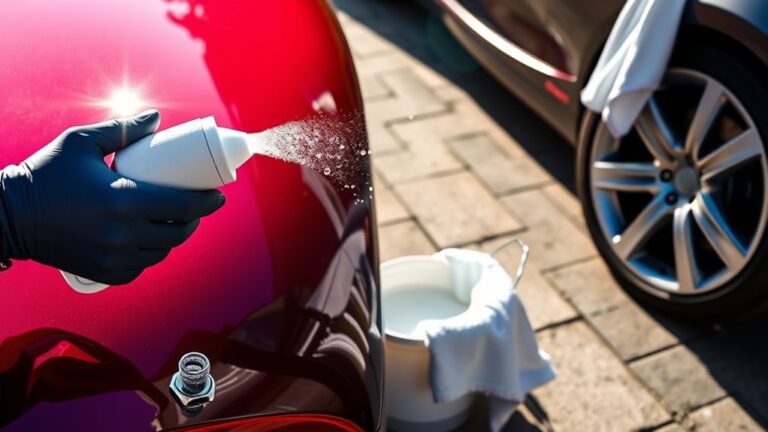
| Dry Immediately | Use a microfiber towel to dry your car right away. | Prevents water spots and ice. |
Following these car maintenance tips in winter not only keeps your vehicle looking great but also protects it from the elements. Remember, a clean car is less prone to rust and damage, so don’t skip washing during the colder months!
Effective Winter Car Washing Alternatives
When temperatures dip too low for a traditional wash, you can still keep your car clean with effective alternatives. Start with snow removal; using a soft brush or broom helps clear away snow without scratching your paint.
When cold weather hits, clear snow gently with a soft brush to protect your car’s paint.
Next, consider a spot clean. Use a damp microfiber cloth to wipe down areas affected by road salt or grime. This method is quick and effective, especially for the exterior.
Don’t forget about undercarriage cleaning. You can use a hose attachment or take your car to a car wash that offers undercarriage sprays. This helps prevent rust and damage from road salt buildup.
Lastly, consider a wax or sealant application. It creates a protective layer against winter elements, making it easier to maintain cleanliness. With these alternatives, you can guarantee your car stays in great shape even when the temperature drops.
How Often Should You Wash Your Car in Winter?
In winter, it’s really important to wash your car regularly to protect it from road salt and grime. You’ll want to aim for at least once every couple of weeks. This helps prevent ice buildup and keeps your paint looking good.
Keeping up with this routine can save you from costly repairs later on, so it’s definitely worth the effort!
Frequency of Winter Washes
During winter, you should aim to wash your car at least once every two weeks. This winter wash frequency helps protect your vehicle from the harsh elements. Here are some ideal wash intervals to take into account:
- Every two weeks: Keeps your car clean and prevents buildup.
- After a snowstorm: Removes road grime and salt that can damage paint.
- Before long trips: Guarantees visibility and safety on the road.
- When temperatures rise: If the forecast predicts warmer days, get that wash in!
Impact of Road Salt
As road salt can wreak havoc on your car’s exterior and undercarriage, washing your vehicle regularly in winter becomes essential. Road salt helps keep roads safe, but it also accelerates corrosion.
When salt accumulates, it can eat away at your paint and metal components, leading to expensive repairs down the line. To combat this, aim to wash your car every two weeks, or more often if you notice a buildup.
Focus on the undercarriage, as this area is particularly vulnerable to salt exposure. Furthermore, using a wax after washing can provide an extra layer of protection.
Prioritizing these washes not only keeps your car looking great but also aids in corrosion prevention, ensuring your vehicle lasts longer.
Preventing Ice Buildup
To keep ice buildup at bay, washing your car regularly in winter is essential. Here are some effective ice prevention techniques to take into account:
- Use a heated garage: If possible, wash your car indoors to prevent freezing.
- Choose the right winter washing tools: Use brushes and mitts designed for cold weather to avoid scratches and guarantee thorough cleaning.
- Rinse thoroughly: Make sure to rinse off all soap and salt residues, as they can contribute to ice formation.
- Dry your car: Use a microfiber towel to dry your vehicle, particularly in crevices where water can freeze.
Best Products for Winter Car Care
While winter can be tough on your vehicle, using the right products for car care makes all the difference. Start with a high-quality winter wax that provides a protective layer against road salt and grime. Applying this wax creates a barrier that not only improves shine but also makes future cleanups easier.
Next, don’t forget about tire care. Cold weather can reduce tire pressure, so invest in a good tire pressure gauge and check your tires regularly. Also, consider using winter tires designed for better traction in snow and ice.
Don’t overlook tire care this winter; regularly check pressure and consider winter tires for optimal traction on snow and ice.
For cleaning, choose a car shampoo that’s safe for winter use, ensuring it removes dirt without damaging the finish. Finally, a reliable windshield washer fluid that remains effective in freezing temperatures is essential for visibility.
With these products, you can keep your car in top shape all winter long.
Frequently Asked Questions
Can I Use Hot Water to Wash My Car in Winter?
Yes, you can use hot water to wash your car in winter! Hot water helps melt away ice and grime, making it easier to clean. Just remember to rinse thoroughly to avoid freezing.
For winter washing, try to wash your car when temperatures are above freezing, and dry it quickly. Using hot water not only cleans better but also protects your paint from harsh winter elements. Stay warm while keeping your ride sparkling!
What Are the Signs My Car Needs a Wash in Cold Weather?
When you notice a layer of grime coating your car or salt stains forming, it’s time to wash. In cold weather, dirt can cling stubbornly, masking your vehicle’s paint and leading to potential rust.
If your headlights look dull or visibility decreases, that’s another sign. Regular car maintenance means keeping your vehicle clean, even in frigid temperatures.
Don’t wait too long; your car deserves a little TLC, no matter the season!
Is It Safe to Wash a Car at Night in Winter?
Yes, you can safely wash your car at night during winter, but you need to take some precautions. Make certain the temperature’s above freezing to prevent ice from forming. Use warm water and a gentle soap to help avoid freezing on contact.
Also, make sure your workspace is well-lit so you can see clearly. After washing, dry your car thoroughly to prevent any frost or ice buildup overnight.
Will Washing My Car in Freezing Temperatures Void My Warranty?
Washing your car in freezing temperatures typically won’t void your warranty coverage. However, if your vehicle sustains freezing damage from improper washing techniques, it could affect your warranty claims.
Always check your manufacturer’s guidelines for specific washing instructions and verify you’re using appropriate products. It’s best to wash your car in conditions where the water won’t freeze quickly to avoid potential issues during winter months.
How Does Salt on the Roads Affect My Car’s Wash Frequency?
Road salt can greatly impact how often you should wash your car. It promotes rust and corrosion, so if you drive on salted roads, you’ll need to wash your car more frequently to remove the salt buildup.
Regular washes are essential for car maintenance, especially during winter months. By keeping your vehicle clean, you can protect its finish and extend its lifespan, avoiding costly repairs down the line.
Conclusion
When temperatures plunge, washing your car can feel like diving into an icy lake. While you might want to keep your ride sparkling, it’s essential to know the risks of cold weather washing.
Avoid the danger of frozen soap and paint damage, and instead, consider alternatives that keep your car safe and clean. Just remember, a little winter care goes a long way in preventing ice buildup and ensuring your vehicle stays in top shape all season long.
Knowing what temperature is too cold to wash your car helps you protect your paint and avoid frozen messes during the winter months.