What Happens if You Wash Your Car With Dish Soap?
Washing your car can feel like a never-ending chore, especially when you want to keep that showroom shine without spending a fortune. You’re not alone—many people struggle with finding the right products that clean effectively without damaging their car’s finish.
Choosing the wrong soap can actually do more harm than good, which is why understanding what happens if you wash your car with dish soap is so important.
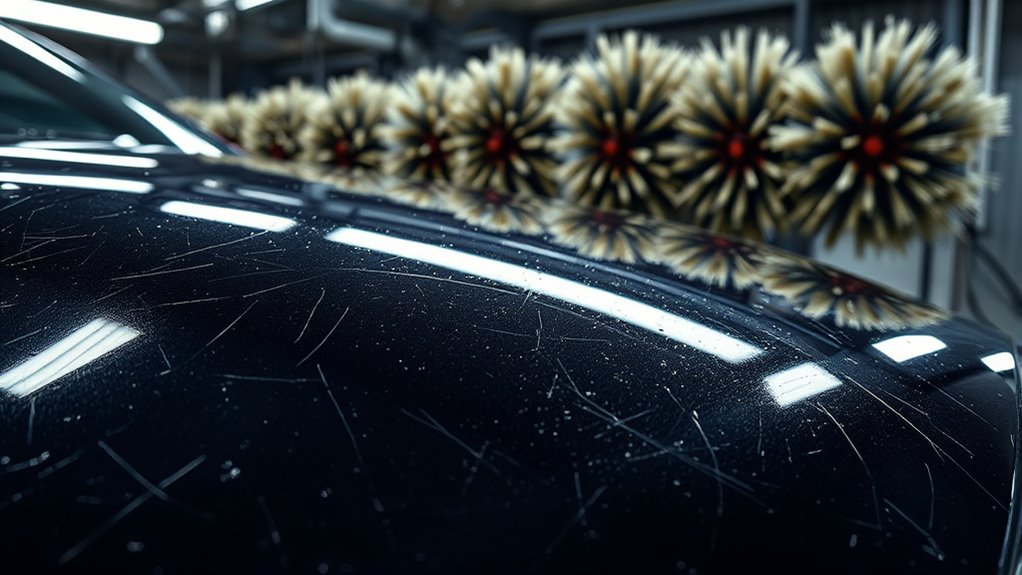
Washing your car with dish soap strips away protective layers, making your paint vulnerable to scratches and environmental damage. It accelerates the breakdown of wax and sealants, leading to fading and dullness over time.
Plus, the harsh chemicals can disrupt the bonding agents in these protective coatings, increasing the risk of corrosion. You might want to investigate safer options for washing and maintaining your car’s finish, ensuring it stays looking great for longer.
Key Takeaways
- Dish soap strips protective layers from car paint, which makes it more vulnerable to scratches and environmental damage.
- It also speeds up the breakdown of wax and sealants, leaving the paint exposed to oxidation and fading.
- The harsh chemicals in dish soap can disrupt bonding agents, and this might lead to costly repairs over time.
- Car wash soap is specially formulated to clean without harming your car’s finish, so it’s a safer choice overall.
- Using dish soap regularly means you’ll need to do maintenance more often, which can increase your car care costs.
What Dish Soap Does to Your Car’s Paint
When you wash your car with dish soap, you might think you’re doing a good job cleaning, but the truth is, it can harm your car’s paint. Dish soap is designed to cut through grease, which means it can strip away the protective layers on your car’s surface. This removal affects paint protection, leaving your vehicle vulnerable to scratches and environmental damage.
Additionally, dish soap can disrupt the surface bonding between your car’s paint and its protective coatings. Over time, this can lead to fading and dullness, diminishing your car’s appearance. You might not notice the effects immediately, but repeated use of dish soap can result in costly repairs down the line.
Instead, opt for a car-specific soap that maintains your paint’s integrity and protects it from the elements. Your car deserves the right care to keep it looking great for years to come.
The Impact of Dish Soap on Wax and Sealants
Using dish soap on your car can really speed up the breakdown of wax and sealants. You might start to see your car’s protective layers fading away much quicker than you’d expect. And it’s not just about losing that nice shine—your paint ends up more exposed and vulnerable to damage. So, it’s a good idea to avoid dish soap if you want to keep your car looking great and well-protected.
Wax Deterioration Rate
While you might think dish soap is a quick solution for cleaning your car, it can greatly impact the longevity of wax and sealants. Dish soap is designed to cut through grease and grime, which means it can strip away the protective layer of wax you rely on for paint protection.
This aggressive formulation reduces wax longevity, leaving your vehicle vulnerable to the elements. Without that protective barrier, your car’s paint can suffer from oxidation, fading, and scratches.
If you care about maintaining your vehicle’s appearance and protection, it’s best to avoid dish soap. Instead, opt for a car-specific soap that’s gentle on wax and guarantees your paint remains shielded and vibrant for longer.
Sealant Longevity Impact
Dish soap not only undermines wax longevity but also considerably affects the performance of sealants. When you use dish soap, you accelerate sealant degradation, stripping away essential protective layers. This means your car’s finish becomes vulnerable to environmental elements, leading to quicker wear and tear.
If you wash your car frequently with dish soap, you’ll likely find yourself reapplying sealants much sooner than necessary. The harsh chemicals in dish soap disrupt the bonding agents in sealants, shortening their lifespan. To maintain that protective barrier, consider using a dedicated car wash soap. It’s designed to be gentle on sealants while effectively cleaning your vehicle. Protect your investment by choosing the right products for your car care routine!
How Dish Soap Can Mess With Your Car’s Finish
When you wash your car with dish soap, you risk damaging its finish more than you might realize. Dish soap strips away essential wax and sealants, leaving your paint unprotected and vulnerable. This can lead to dullness, fading, and even corrosion over time.
Here’s how dish soap can mess with your car’s finish:
Weakens paint protection: It removes protective layers designed to keep your car looking new.
Causes oxidation: Without proper protection, your paint is exposed to the elements, leading to oxidation and a faded appearance.
Complicates finish restoration: Restoring your car’s finish becomes more difficult and costly if the protective layers are damaged.
To maintain your car’s appearance, stick to products specifically designed for automotive finishes. It’s a small investment for long-lasting results and peace of mind.
Comparing Dish Soap to Car Wash Soap
Choosing the right soap for washing your car can make a significant difference in its appearance and longevity. When you compare dish soap and car wash soap, you’ll notice some key differences. Car wash soap is specifically formulated for car surfaces, enhancing car wash effectiveness while being gentle on paint and wax.
It often contains ingredients that help lift dirt without stripping away protective coatings. On the other hand, dish soap usually contains harsher ingredients designed for cutting grease, which can degrade your car’s finish over time.
This soap ingredient comparison shows that while dish soap might clean well, it can lead to long-term damage, including dulling your car’s shine. In short, investing in a quality car wash soap will not only protect your vehicle but also guarantee it looks its best, making your washing routine more effective overall.
What Are the Pros and Cons of Using Dish Soap?
Using dish soap can really cut through grease and grime on your car’s surface, which makes it a tempting choice. But here’s the thing—it can also strip away the protective wax and might damage your paint if you use it too often. So, it’s definitely worth weighing these pros and cons before you just grab that bottle.
Effectiveness in Cleaning
While dish soap can effectively cut through grease and grime, it also has drawbacks that may surprise you. Its cleaning efficiency is impressive, but you might end up facing some issues.
Soap Residue: Dish soap often leaves a residue that can dull your car’s finish.
Effectiveness: It works well on tough spots but may not be suitable for all surfaces.
Environmental Impact: Some dish soaps contain chemicals that can harm the environment.
Potential for Damage
Although dish soap may seem like a quick fix for cleaning your car, it can lead to significant damage if used regularly. While it effectively removes dirt and grime, the harsh chemicals in dish soap can cause paint degradation over time.
Instead of protecting your car’s finish, it strips away essential wax and sealants, leaving the surface vulnerable to scratches and environmental harm. You might notice surface damage, like dullness or fading, that can be costly to repair.
Furthermore, using dish soap can void any warranties you have on your vehicle’s paint. So, while it’s tempting to grab that bottle from your kitchen, consider investing in a proper car wash soap to preserve your vehicle’s appearance and longevity.
Myths About Using Dish Soap for Car Washing
Many car owners believe that dish soap is a safe and effective cleaning solution for their vehicles, but this common myth can lead to serious damage. Dish soap misconceptions often come from its grease-cutting abilities in the kitchen, but it’s not meant for car care. Here are some car care myths you might hear:
It’s Gentle on Paint: Dish soap strips protective wax, leaving your paint vulnerable to scratches and fading.
It’s Cost-Effective: Using dish soap might seem cheaper, but the long-term damage can lead to costly repairs.
It Cleans Effectively: While it removes dirt, dish soap can also degrade your car’s finish over time.
Believing these myths can compromise your vehicle’s longevity. Instead of taking the risk, consider using products made specifically for car washing to keep your investment safe.
Safer Alternatives to Dish Soap for Car Washing
If you’re looking to wash your car without risking damage, there are plenty of safer alternatives to dish soap that can keep your vehicle sparkling clean. Consider using specialized car wash soaps, which are designed to be gentle on your vehicle’s finish while providing effective cleaning power. These products often contain surfactants that lift dirt without stripping wax.
You can also check out eco-friendly options, like biodegradable car wash solutions, that minimize environmental impact. If you prefer a DIY approach, homemade solutions using ingredients like vinegar and baking soda can work wonders. Mix a cup of vinegar with a gallon of water for a simple, effective cleaner.
Another great option is using a microfiber cloth and water to remove light dirt. No matter which alternative you choose, your car will shine without the risks associated with dish soap.
Tips for Properly Washing Your Car
When you’re washing your car, it’s really important to use soap that’s made just for automotive surfaces. This helps prevent any damage to the paint or finish. You’ll also want to pick the right tools—think microfiber cloths or soft sponges. They do a great job of cleaning thoroughly without being too harsh. By following these tips, you’ll keep your car looking its best for a long time.
Use Car-Safe Soap
Choosing the right soap is essential for keeping your car in top shape. Using dish soap might seem convenient, but it can strip away protective wax and damage your paint. Instead, opt for car-safe soap to maintain that shine.
Here are some great soap alternatives for effective car cleaning:
- pH-balanced car shampoo: Gentle on paint, tough on dirt.
- Biodegradable options: Eco-friendly and safe for the environment.
- Foaming formulas: Help lift grime without scratching.
Always check the label to guarantee it’s designed for automotive use. By using proper soap, you’ll protect your car’s finish and keep it looking its best for years to come.
Choose Appropriate Tools
The right tools can make all the difference in how effectively you wash your car. Start by selecting quality car wash tools, like soft cleaning mitts or wash pads, to prevent scratches. Use two bucket types: one for soapy water and another for rinsing your mitt.
If you have a pressure washer, it can help remove stubborn dirt quickly. For detailing, invest in detailing brushes to reach tight spots. In terms of drying, microfiber towels are your best bet, as they absorb moisture without causing damage.
Finally, consider using various sponge types and hose attachments for better control over water flow. With the right tools, your car will shine like new!
What If You’ve Used Dish Soap on Your Car?
If you’ve washed your car with dish soap, you might be concerned about the potential damage it could cause. Dish soap residues can strip away wax and protective coatings, leaving your car vulnerable. Here’s what you should do next:
Washing your car with dish soap can strip away protective coatings, so take steps to restore its shine and protection.
Rinse Thoroughly: Make sure to rinse your car well to remove any lingering dish soap residues.
Reapply Wax: After rinsing, consider applying a high-quality wax to restore car paint protection. This helps shield your paint from the elements.
Check for Damage: Inspect your car for any signs of dullness or fading. If you notice any, you might need to polish it to restore its shine.
Taking these steps can help mitigate any negative effects from using dish soap. Don’t worry too much. With the right care, your car’s finish can bounce back nicely!
Best Practices for Maintaining Your Car’s Finish
While maintaining your car’s finish might seem challenging, following a few simple practices can keep it looking brand new. Regularly washing your car with the right products is essential for paint protection. Avoid dish soap, as it strips away wax and can damage your finish. Instead, invest in a quality car wash soap designed for vehicles.
Here are some best practices for finish maintenance:
| Action | Frequency |
|---|---|
| Wash your car | Every 1-2 weeks |
| Wax the finish | Every 3-6 months |
| Use a clay bar | 1-2 times a year |
| Apply sealant | Every 6-12 months |
Frequently Asked Questions
Can Dish Soap Remove Bird Droppings Effectively?
Yes, dish soap can effectively remove bird droppings. When you mix dish soap with water, it helps break down the droppings, making them easier to wipe away.
Just apply the soapy solution to the affected area, let it sit for a few minutes, and then gently scrub with a soft cloth or sponge. You’ll find that dish soap’s effectiveness makes bird droppings removal quick and hassle-free, keeping your car looking clean.
Will Dish Soap Affect My Car’s Interior Materials?
If you use dish soap on your car’s interior materials, you might find it less than splendid. It can strip away the protective coatings on your car upholstery, leaving it vulnerable to stains and damage.
Over time, this exposure compromises your interior protection, leading to faded or cracked surfaces. Stick to products specifically designed for automotive interiors to keep things in tip-top shape and maintain your vehicle’s aesthetic charm.
Is It Safe to Use Dish Soap on Glass Surfaces?
It’s not safe to use dish soap on glass surfaces. While it might clean initially, it can leave soap residue that affects glass surface clarity.
This residue can create streaks, making it harder to see clearly, especially in bright sunlight. Instead, opt for a dedicated glass cleaner designed to improve clarity and avoid residue.
Keeping your glass clean is essential for safety, so choose the right products to maintain visibility.
Can I Mix Dish Soap With Other Cleaning Products?
You can mix dish soap with other cleaning products, but it’s essential to be cautious. Did you know that nearly 50% of household cleaning accidents involve improper mixing? Some combinations can create harmful fumes or reduce effectiveness.
Instead, consider dish soap alternatives like vinegar or baking soda, which are safer and often more effective. Always check labels for cleaning product interactions. When in doubt, stick to one product at a time!
How Often Should I Wash My Car With Dish Soap?
You should wash your car every two weeks, especially if you drive frequently or in harsh conditions. While dish soap can clean, it’s best to use soap alternatives specifically designed for vehicles to avoid damaging the paint.
Regular washing not only keeps your car looking great but also protects it from dirt and grime accumulation. So, stick to that bi-weekly schedule and opt for a car wash soap tailored for the job!
Conclusion
So, you’ve washed your car with dish soap. Now what? You might be wondering if you’ve just wrecked your ride or if it’s not as bad as it seems.
The truth is, while dish soap can strip away dirt, it also risks damaging your paint and any protective coatings. But don’t worry! There are ways to fix the situation and protect your car’s finish.
Curious about the best steps to take next? Let’s explore and find out what happens if you wash your car with dish soap.