10 Essential Steps to Use a Car Wash Effectively
Keeping your car looking clean and shiny can feel like a never-ending battle. If you’ve ever struggled with streaks, spots, or missed areas after washing your vehicle, you’re not alone. Many people find it challenging to get a thorough clean without damaging their car’s finish or spending hours on the task.
To use a car wash effectively, start by choosing the right type for your needs. Gather essential supplies like pH-balanced soap and microfiber towels. Rinse off loose dirt first, then wash using the right techniques—circular motions work best.
Rinse thoroughly to eliminate soap residue, dry the car promptly to avoid spots, and finish with wax for extra shine. Establish a washing routine based on environmental factors. You’ll uncover even more tips to keep your vehicle looking great.
Key Takeaways
- Choose the right car wash type based on your vehicle’s needs and washing frequency to ensure optimal care and savings.
- Gather essential supplies, including pH-balanced soap, microfiber towels, and soft brushes, before starting the washing process.
- Use proper washing techniques, employing circular motions and changing water regularly for effective cleaning without damaging the paint.
- Dry the vehicle promptly with microfiber towels and consider applying wax for added protection and shine.
- Establish a washing schedule based on seasonal conditions and environmental factors to maintain your vehicle’s appearance.
Choose the Best Car Wash for Your Needs
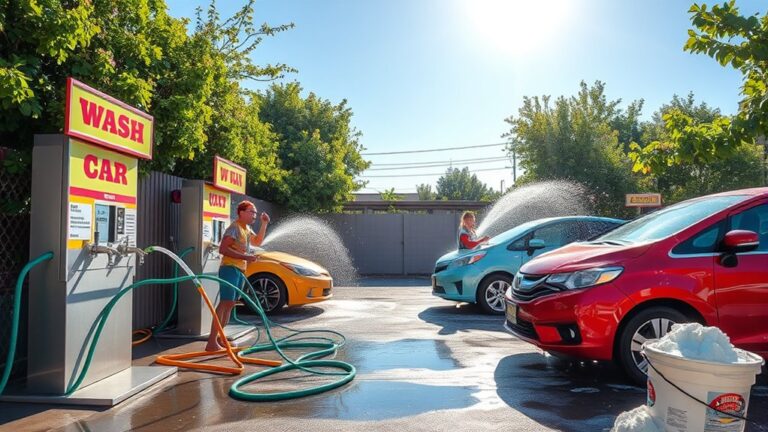
How do you choose the best car wash for your needs? Start by considering the different car wash types available. Automatic washes are quick and convenient, while self-service options let you control the process. If you prefer a thorough clean, a hand wash might be your best bet.
Next, think about your wash frequency. If you drive often or through harsh conditions, you might want to wash your car weekly. For occasional drivers, a monthly wash could suffice.
Consider how often you drive; weekly washes may be necessary for frequent use, while monthly visits work for occasional drivers.
Evaluate your budget, too. Some washes offer memberships for unlimited access, which can save you money in the long run.
Lastly, check reviews and ask friends for recommendations to find a reputable location. By reviewing the car wash types and aligning them with your wash frequency, you’ll make a choice that keeps your vehicle looking its best without breaking the bank.
What Supplies Do You Need Before You Start?
Before you plunge into washing your car, what supplies do you need to gather? Having a solid supply checklist will make the process smoother and more efficient.
Here are the essential cleaning tools you’ll want to have on hand:
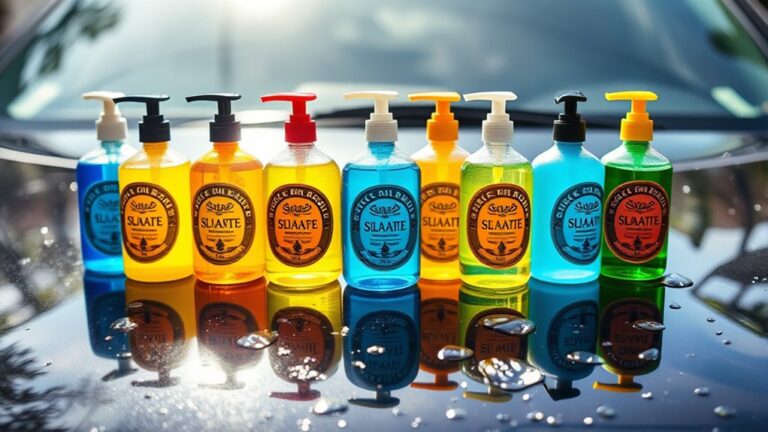
- Car wash soap: Choose a pH-balanced soap specifically designed for vehicles.
- Microfiber towels: These are perfect for drying and won’t scratch your paint.
- Soft-bristle brush or sponge: Use these to gently scrub away dirt without damaging surfaces.
Once you’ve gathered these items, you’ll be well-equipped to tackle the task ahead. Remember, using the right cleaning tools not only guarantees a thorough wash but also protects your car’s finish. With everything in place, you’re ready to make your vehicle shine like new!
Rinse Off Loose Dirt and Debris First
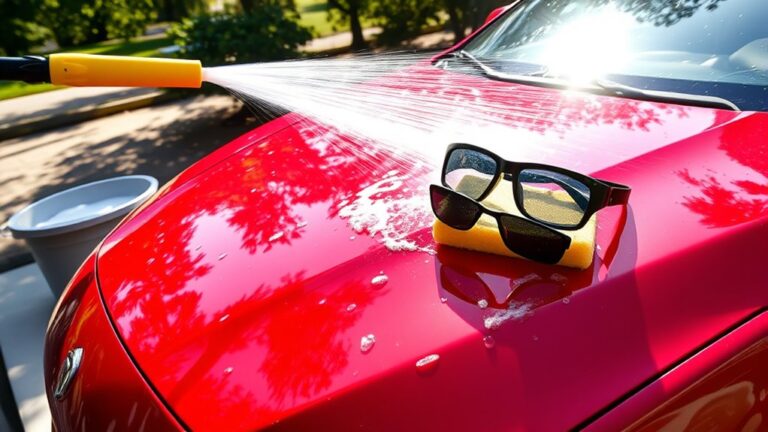
Start by rinsing off loose dirt and debris to prepare your car for a thorough wash. This vital step not only makes dirt removal easier but also improves the pre-wash benefits. By removing larger particles, you minimize the risk of scratches during the wash.
| Type of Dirt | Impact on Wash | Rinse Method |
|---|---|---|
| Mud | Hard to remove | High-pressure rinse |
| Dust | Easily dislodged | Light spray |
| Road salt | Can corrode paint | Focused spray |
| Leaves and debris | Clogs sponges | Gentle rinse |
Take a moment to inspect your car as you rinse. Look for any stubborn spots that might need extra attention later. This simple yet effective step sets the stage for a sparkling clean finish, ensuring you get the most out of your car wash experience.
Use the Right Soap for a Sparkling Clean
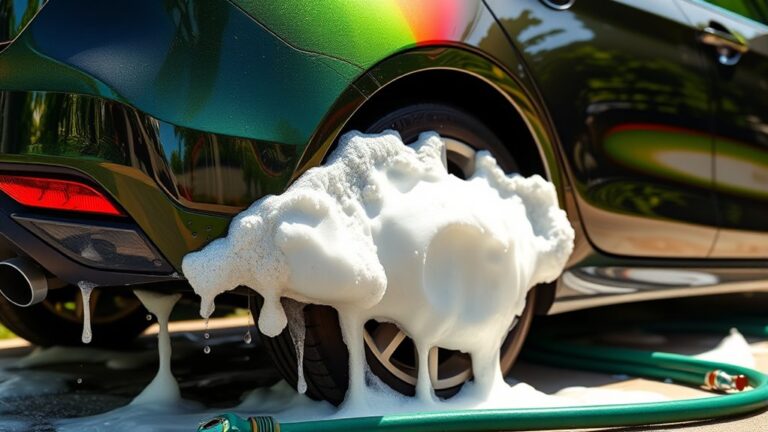
Choosing the right soap is key to getting that sparkling clean finish. You’ll want to go for pH-balanced options because they help protect your car’s paint.
And here’s a tip: avoid using dish soap. It might seem like a good idea, but it can actually strip away the wax on your car.
If you’re after a little extra shine, try using wax-infused soaps. They’re great for giving your vehicle that showroom glow.
Choose pH-Balanced Soap
When you want your car to shine, selecting a pH-balanced soap is essential. The pH balance importance can’t be overstated; it helps prevent damage to your car’s paint and finish.
Here are some soap selection tips to keep in mind:
- Look for biodegradable options: These are better for the environment and your vehicle.
- Check for wax additives: They provide extra protection and shine.
- Avoid harsh chemicals: These can strip your car’s protective coatings.
Avoid Dish Soap Usage
While it might be tempting to grab that bottle of dish soap sitting under your sink, using it on your car can lead to more harm than good. Dish soap contains harmful ingredients that can strip away your car’s protective wax and damage the paint.
Instead, opt for dish soap alternatives specifically designed for automotive use. These products are pH-balanced and gentle, ensuring a thorough clean without compromising your vehicle’s finish.
They effectively remove dirt and grime while preserving the integrity of your car’s surface. When washing your car, always prioritize the right soap to keep it looking sparkling clean and protected from the elements.
Your vehicle deserves better than what dish soap can offer!
Consider Wax-Infused Options
Using the right soap can make a significant difference in your car wash routine. Consider opting for wax-infused options that not only clean but also provide additional protection for your vehicle’s paint. The wax benefits include a shiny finish and a layer of protection against dirt and UV rays.
Here are a few tips to maximize your results:
- Choose quality wax-infused soap for effective cleaning and protection.
- Use proper application techniques: apply the soap in sections to guarantee even coverage.
- Rinse thoroughly to prevent soap residue, which can dull your car’s shine.
Scrubbing Techniques for a Thorough Wash
Achieving a thorough wash requires mastering a few effective scrubbing techniques. Start by using a microfiber mitt or sponge, which helps lift dirt without scratching your paint. When you scrub, employ circular scrubbing patterns to guarantee you cover every inch of your car’s surface. This method not only cleans better but also prevents streaks.
Apply effective pressure, but don’t overdo it. Too much force can damage the paint. Work from the top down, rinsing your mitt often to avoid redistributing dirt. Pay extra attention to areas where grime tends to accumulate, like around the windows and door handles.
Remember to change your water regularly to keep it clean, further enhancing your scrubbing efficiency. By following these techniques, you’ll give your car the careful and thorough wash it deserves, leaving it looking fresh and shiny.
Don’t Overlook the Wheels and Tires
Many car owners often forget about the wheels and tires during a wash. Don’t make that mistake! Proper wheel cleaning and tire care are essential for maintaining your vehicle’s appearance and safety. Neglecting these areas can lead to dirt buildup and deterioration.
Many car owners overlook their wheels and tires during washes, but proper care is vital for appearance and safety. Don’t neglect them!
Here are some key steps to follow:
- Use a dedicated wheel cleaner: This helps break down brake dust and grime effectively.
- Scrub the tires thoroughly: Use a stiff brush to remove any debris and restore the rubber’s shine.
- Apply tire dressing: This not only improves appearance but also protects against cracking and fading.
Rinse Off Soap Residue Completely
After washing your car, it’s really important to rinse off all the soap residue. If you don’t, you might end up with streaks or even cause some damage. Using the right techniques can make this step easier and help your car shine like new. So, let’s take a closer look at why rinsing thoroughly matters and how you can do it the right way.
Importance of Thorough Rinsing
Thorough rinsing is vital for a spotless finish, as any leftover soap residue can mar your car’s appearance. Proper rinsing techniques guarantee that you remove all soap, preventing streaks and spots. Using adequate water pressure helps in getting rid of stubborn residues that might cling to your vehicle’s surface.
It improves the shine, making your car look brand new. It also prevents damage to the paint caused by soap residue. Plus, it saves time in future washes by maintaining a clean surface.
Techniques for Effective Rinsing
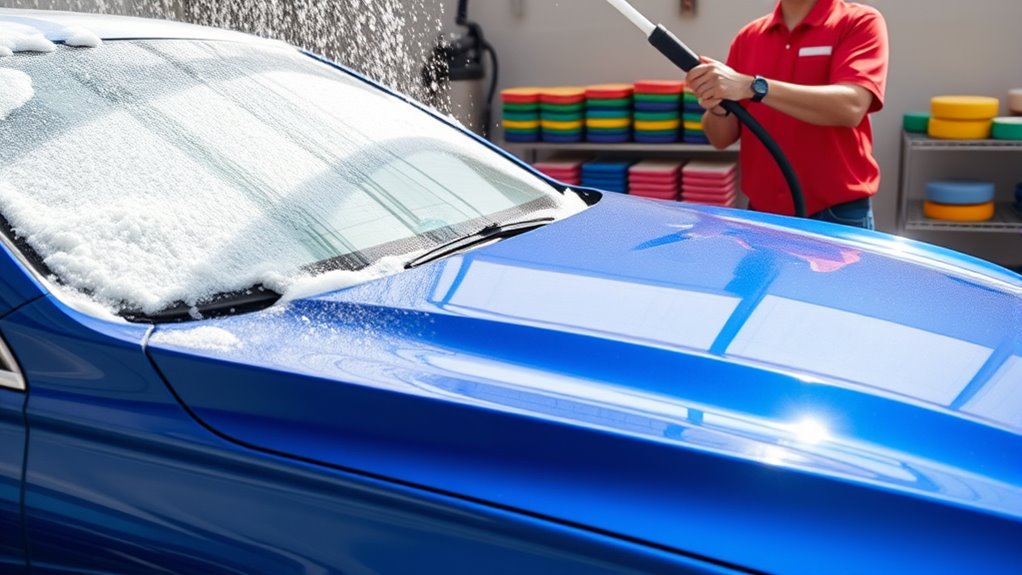
To guarantee you rinse off soap residue completely, start by using a high-pressure nozzle on your hose. This allows you to effectively remove soap from every nook and cranny of your vehicle.
Focus on rinsing techniques that prioritize hard-to-reach areas, like around mirrors and wheel wells. Move the nozzle in a sweeping motion, guaranteeing even coverage and maximizing water pressure.
It’s vital to work from the top down, as this lets dirty water flow downward, preventing it from re-soiling cleaner areas. Don’t rush; take your time to confirm all soap is washed away.
Finally, inspect your vehicle from different angles to ensure complete rinsing. This step is fundamental for a spotless finish and to avoid any streaks.
Dry Your Car to Avoid Water Spots
Drying your car promptly is essential to avoiding unsightly water spots. When water dries on your vehicle, it can leave mineral deposits that ruin its finish. To guarantee effective water spot prevention, use the right drying techniques. Here are some tips:
- Microfiber towels: These are super absorbent and gentle on your paint.
- Blower: A leaf blower or dedicated car dryer can help remove water from hard-to-reach areas.
- Drying aid: Consider using a spray-on drying aid to help repel water and make the process easier.
Wax for Extra Shine and Protection
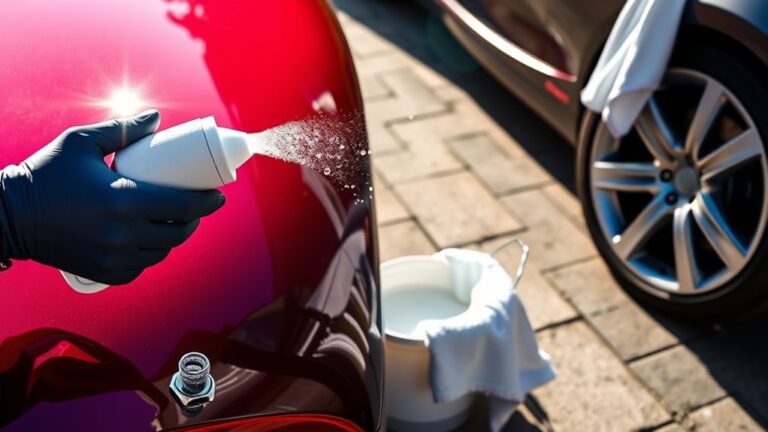
A good wax can improve your car’s appearance while providing essential protection against the elements. After washing and drying your car, it’s time for wax application. Choose a high-quality wax that suits your vehicle’s finish.
Apply it in small sections, using a foam applicator or microfiber cloth. This guarantees even coverage and maximizes shine.
Once you’ve covered the entire car, let the wax sit for a few minutes to bond. Buff it off with a clean microfiber towel to reveal a glossy finish. Not only does this process enhance your car’s look, but it also delivers long-lasting protection against UV rays, dirt, and moisture.
Waxing regularly can prevent paint damage and keep your car looking new. Aim to wax your vehicle every few months, depending on exposure to harsh conditions. With the right care, your car will shine and stay protected for miles to come.
How Often Should You Wash Your Car?
Knowing how often to wash your car can keep it looking great and protect its finish. You might not realize it, but seasonal changes and environmental factors, like pollen or road salt, really play a big role in how often you should clean your ride. So, let’s take a closer look at how these elements can affect your car washing routine.
Seasonal Washing Recommendations
While the frequency of washing your car can vary based on factors like weather and location, it’s essential to establish a seasonal routine. In winter, road salt and grime can cause damage, so wash your car every two weeks.
In spring, pollen and mud are common, making monthly washes important. Summer heat can amplify dirt buildup, so aim for every two weeks, especially if you use seasonal products like wax.
In fall, leaves and debris can accumulate, so a monthly wash is recommended.
Consider weather considerations to decide when to wash. Use seasonal products to protect your paint. Don’t forget to clean the undercarriage, especially in winter.
Environmental Factors Influencing Frequency
Environmental factors play an essential role in determining how often you should wash your car, as various conditions can accelerate dirt and grime buildup. If you live in an area with harsh weather conditions, like heavy rain or snow, you might find yourself washing your car more frequently to remove road salt and mud.
Local regulations may also dictate washing practices, especially in drought-stricken regions where water conservation is vital. Consider the environmental impact of frequent washes, too; excessive runoff can harm local ecosystems.
Aim to wash your car every two weeks, adjusting based on these factors. Staying mindful of the environment and your local guidelines will help you keep your car clean while being responsible.
Frequently Asked Questions
Can I Wash My Car in Direct Sunlight?
You can wash your car in direct sunlight, but it’s not ideal. Sunlight can cause soap to dry too quickly, leaving streaks and spots on your paint.
If you do wash in the sun, use techniques that minimize exposure, like rinsing sections at a time or using a shaded area. Always remember to choose the right products that won’t harm your finish.
This way, you’ll get a clean, shiny car without the negative effects of sunlight.
Is It Safe to Use Dish Soap on My Car?
No, it isn’t safe to use dish soap on your car. While it might seem like a quick fix, dish soap can strip away your car’s wax and damage the paint.
Instead, opt for car wash alternatives specifically designed for automotive use. These soap types are formulated to clean effectively without harming your vehicle’s finish.
Protect your car’s surface by choosing the right products for washing instead of household cleaners.
How Can I Remove Stubborn Stains?
To remove stubborn stains, start by identifying the type of stain. Use appropriate cleaning techniques, like a mixture of water and mild detergent for general spots or a specialized cleaner for tougher marks.
Apply the solution and let it sit for a few minutes before scrubbing with a soft cloth or sponge. Rinse thoroughly to avoid residue.
For persistent stains, repeat the process or consider professional cleaning for the best results.
What Time of Day Is Best for Washing?
The best washing times are early in the morning. You’ll enjoy cooler temperatures and softer sunlight, which help prevent water spots.
Plus, washing before the day heats up means your car dries more slowly, allowing soap to work its magic. Morning benefits like fewer crowds also mean you can take your time without feeling rushed.
Are Automatic Car Washes Safe for My Vehicle?
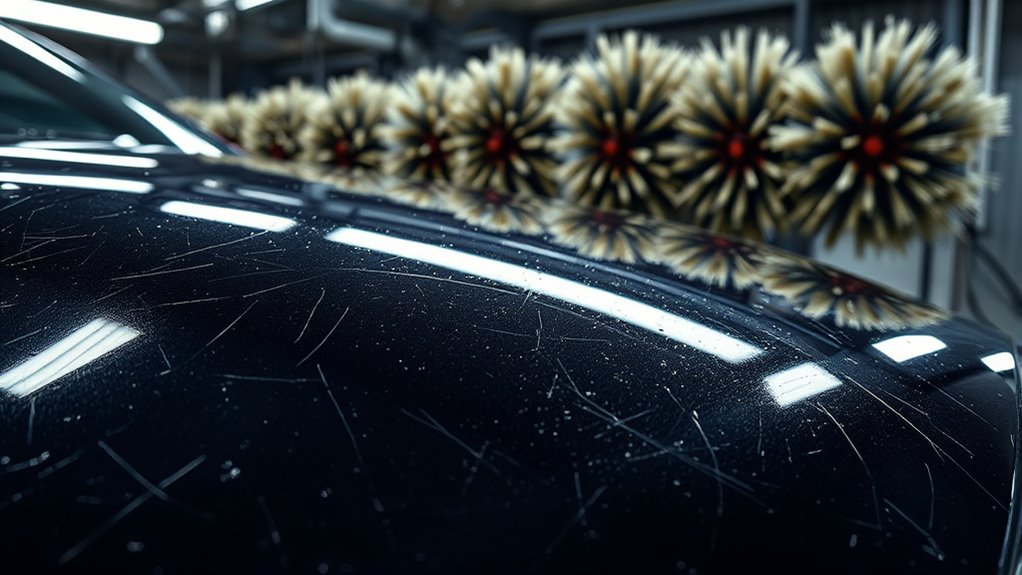
Yes, automatic car washes can be safe for your vehicle, but it depends on the brush types they use. Soft cloth brushes are generally safer than harsher alternatives, which can scratch your paint.
To maintain your vehicle’s finish, you should consider your wash frequency; washing too often or too infrequently can lead to issues. Always check for any signs of damage or wear on your vehicle after a wash to guarantee it’s protected.
Conclusion
By following these 10 essential steps, you’ll transform your car wash routine from a chore into a rewarding experience. Just like a painter needs the right brushes, you need the right supplies and techniques for a spotless finish.
Regular washes not only keep your car looking sharp but also protect its value in the long run. So, roll up your sleeves, grab those supplies, and give your ride the care it deserves!
Happy washing, and enjoy using a car wash effectively!