What Risks Does a Car Wash Pose to Paint Damage?
If you love keeping your car looking spotless, you’re not alone. Many people struggle with finding the best way to wash their vehicles without causing damage to the paint. It’s frustrating when a routine wash ends up leaving scratches or dull spots instead of a shiny finish.
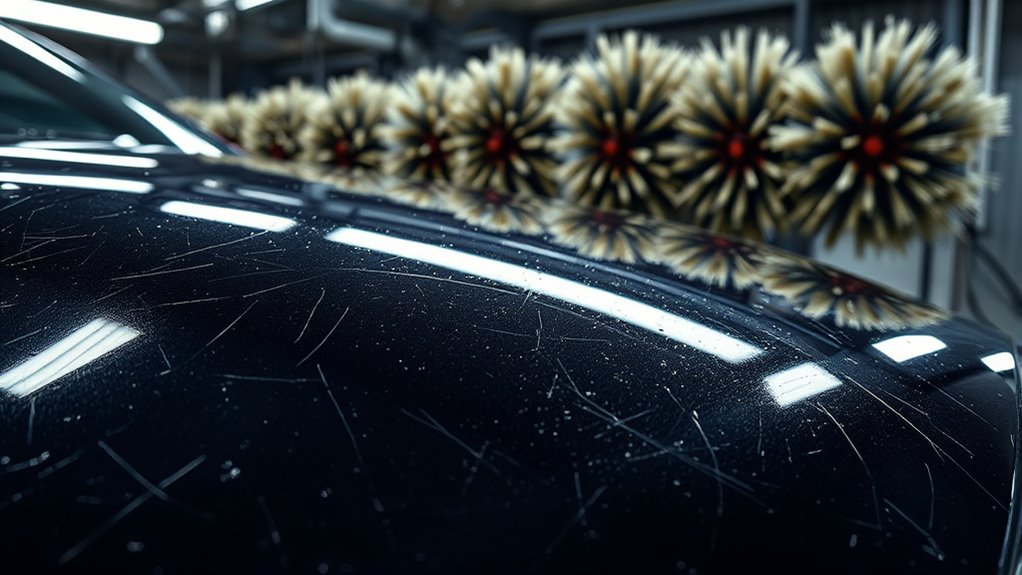
Car washes can pose several risks to your vehicle’s paint. Automated brushes may scratch the finish, especially if they’re made of abrasive materials. Harsh chemicals might dull your car’s shine and reduce its color over time.
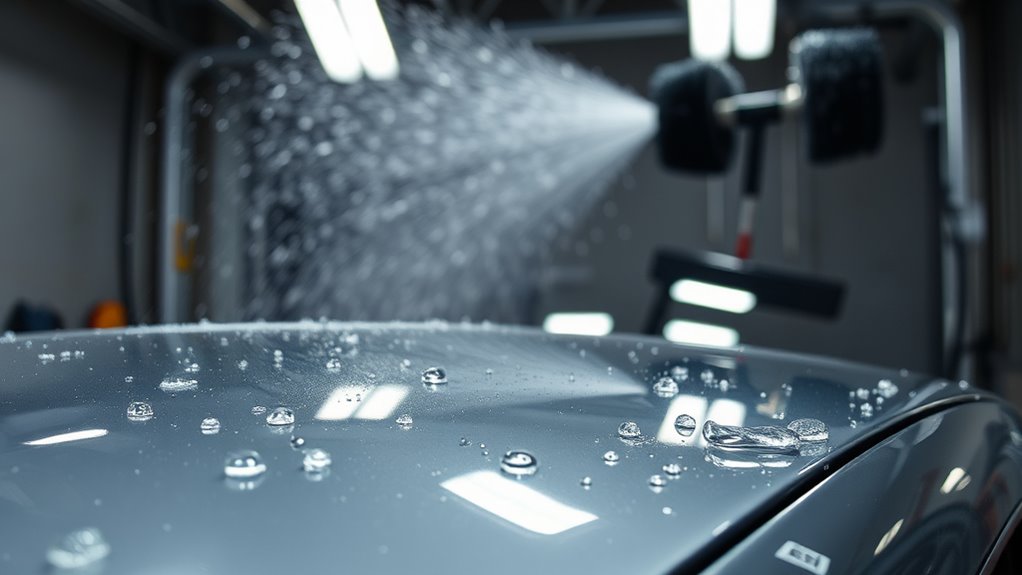
Even touchless washes can damage paint due to high-pressure water and the chemicals used. Plus, poor water quality can leave spots and dullness.
Want to know more about how to protect your car’s paint from these risks?
Key Takeaways
- Automated car washes with abrasive brushes can trap dirt, which leads to scratches and micro-swirls on the paint surface.
- Touchless car washes use high-pressure water, but they can still pose a risk if the chemicals are harsh.
- Harsh detergents and aggressive chemicals can dull the paint’s shine and weaken its bond. Over time, this may cause chipping.
- High-pressure settings can strip protective clear coat layers, making the paint more vulnerable to environmental factors.
- Poor water quality, especially with high mineral content, can cause spots and dullness that diminish the car’s finish.
Understanding Paint Protection: Why It Matters
Regarding protecting your car’s paint, many don’t realize just how essential it is. Understanding paint protection can greatly impact your vehicle’s paint longevity and surface integrity. When you neglect this aspect, you expose your car to elements like dirt, UV rays, and road debris that can lead to fading, scratches, and even corrosion.
Using high-quality wax or sealant can create a protective barrier, shielding your paint from these harmful factors. Regular maintenance, like hand washing and applying protective coatings, helps maintain that integrity, ensuring your car looks great for years.
You might think a quick wash is enough, but without proper care, those automated options can do more harm than good. By prioritizing paint protection, you not only improve your car’s appearance but also its resale value. So, take the time to invest in your vehicle’s finish. It’s worth it.
The Impact of Automated Brushes on Your Car’s Finish
When you use automated car washes, the brushes can really affect your car’s finish. It’s not just about the brushes themselves, but also what they’re made of and how much pressure they put on your paint. Plus, how often you run your car through those washes matters a lot too.
Knowing these little details can make a big difference. It helps you make smarter choices when it comes to taking care of your vehicle’s look. So, next time you’re deciding whether to go through an automated wash, keep these factors in mind!
Brush Material Composition
Automated car washes often rely on brushes made from various materials, which can greatly impact your vehicle’s finish. Soft foam brushes may seem gentle, but they can trap dirt and grit, leading to scratches.
Nylon bristles, while durable, can be harsher and abrasive, increasing the risk of paint damage. If you’re concerned about your car’s appearance, consider the brush materials used in the wash.
High-quality brushes might offer better wash durability, but they still require regular maintenance to prevent wear and tear. Ultimately, the choice of brush material can determine how well your car maintains its shine after each wash.
Always research the car wash you’re considering to guarantee it uses safe, effective brush materials.
Contact Pressure Levels
While you might expect a thorough clean from automated brushes, the contact pressure they apply can greatly impact your car’s finish. These brushes, depending on their design and the wash techniques used, can exert varying pressure sensitivity on your vehicle’s surface.
Too much pressure can lead to scratches and swirl marks, damaging the clear coat and paint beneath. If you frequently choose automated washes, consider the type of brushes in use and the pressure they apply.
Opt for washes that utilize gentler, pressure-sensitive brushes or foam alternatives that minimize risk. Ultimately, being mindful of the contact pressure can help preserve your car’s appearance and longevity, ensuring it looks its best for years to come.
Frequency of Use
Using automated car washes too frequently can greatly affect your vehicle’s finish. When considering wash intervals, it’s important to balance cleanliness with care. Frequent use of automated brushes can lead to micro-scratches and swirl marks, diminishing your car’s shine.
While these washes may seem convenient, the contact pressure from brushes can wear down your paint over time. Frequency considerations play a significant role in maintaining your vehicle’s aesthetic appeal.
Ideally, you should limit automated washes to every two to four weeks, depending on your driving conditions and local environment. By spacing out washes, you allow your car’s finish to recover and reduce the risk of damage, ensuring your vehicle looks great for years to come.
How Harsh Chemicals Can Damage Your Vehicle’s Paint
Many car washes rely on harsh chemicals to remove dirt and grime, but these substances can pose a serious threat to your vehicle’s paint. Over time, chemical reactions between these cleaners and your car’s finish can lead to significant damage.
Here are three ways harsh chemicals can affect your vehicle:
- Dulling Shine: Strong detergents can strip away protective wax, dulling your paint’s finish and reducing its gloss.
- Fading Color: Prolonged exposure to aggressive chemicals can cause your car’s paint to fade, compromising its vibrant appearance and overall appeal.
- Reducing Paint Longevity: Chemical reactions can weaken the paint’s bond to the surface, leading to chipping and peeling, which shortens its lifespan.
Are Touchless Car Washes Safe for Your Paint?
Are touchless car washes the safe alternative for your vehicle’s paint? Many car owners turn to touchless technology, believing it to be a gentler option. While touchless washes eliminate physical brushes, they still rely on high-pressure water and chemicals, which can affect paint longevity if not used correctly.
Here’s a quick comparison of touchless and traditional car washes:
| Feature | Touchless Car Wash |
|---|---|
| Brushes | No |
| High Pressure Water | Yes |
| Chemical Usage | Yes |
| Risk of Paint Damage | Moderate |
To guarantee your paint remains pristine, choose a reputable car wash that uses gentle, pH-balanced cleaners. Keep in mind that while touchless washes can be safer, they aren’t completely risk-free. Regular maintenance and careful selection of cleaning methods are essential for protecting your vehicle’s finish.
Water Quality’s Impact on Car Wash Safety
While you might not think about it, the quality of water used in car washes considerably impacts the safety of your vehicle’s paint. Factors like water hardness and environmental contaminants can lead to issues that affect your car’s finish. Here are three essential aspects to take into account:
The quality of water in car washes significantly affects your vehicle’s paint safety and finish.
- Water Hardness: High mineral content can cause mineral buildup on your paint, leading to spots and dullness.
- Chemical Additives: Some car washes use harsh chemicals that can throw off the pH balance, harming your paint and clear coat.
- Filtration Systems: Poor filtration can allow dirt and debris to remain in the water, reducing rinse effectiveness and potentially scratching your vehicle.
Additionally, water temperature plays a role. Using excessively hot water can weaken protective coatings. Being aware of these factors guarantees your car wash experience safeguards your paint rather than puts it at risk.
Identifying Common Scratches and Swirls: Causes and Prevention
Scratches and swirls can turn a pristine car finish into an eyesore, making it essential to identify their causes and prevent them. You might notice fine lines or circular marks on your vehicle, often caused by improper washing techniques or low-quality materials. Scratch identification starts with examining your car under good lighting; look for variations in the paint surface.
To avoid these blemishes, always use high-quality microfiber towels and soft brushes designed for car care. Avoid automatic washes with brushes, as they can trap dirt and debris that scratch the surface. Instead, consider touchless washes that rely on soaps and water pressure. Regular waxing can also provide an extra layer of protection, minimizing swirl formation. By being proactive in your washing routine, you can keep your car looking sleek and shiny, free from unsightly scratches and swirls.
Impact of High-Pressure Washes on Clear Coats
When you choose high-pressure washes, your clear coat might be at risk. It really depends on the pressure settings—used the right way, they can be helpful, but if not, they might cause damage. Plus, the quality of the water plays a role too, affecting how well that protective layer holds up.
Clear Coat Vulnerability
High-pressure washes might seem like a quick way to clean your car, but they can seriously threaten your clear coat. This protective layer is essential for maintaining your vehicle’s appearance and longevity.
Here’s how high-pressure washes can impact your clear coat:
- Damage from Water Pressure: Excessive pressure can strip away the clear coat, exposing paint to environmental factors.
- Compromised Adhesion: High-pressure jets can loosen the bond between the clear coat and the paint, leading to peeling or chipping.
- Increased Vulnerability: Once damaged, your clear coat’s longevity decreases, making your car more susceptible to scratches and fading.
Consider gentler washing methods to protect your vehicle’s finish and guarantee it looks great for years to come.
Pressure Settings Impact
While it may be tempting to opt for a high-pressure wash to get your car sparkling clean, the pressure settings used can greatly impact your clear coat’s integrity. High-pressure washes can strip away essential protective layers if not properly calibrated.
The nozzle types also play a significant role. A narrow spray can concentrate force on specific areas, increasing the risk of damage. Furthermore, longer wash durations can worsen the effects of high pressure, compromising surface tension and potentially leading to scratches or fading.
It’s vital to choose washes that use appropriate pressure calibration and gentle nozzle types to protect your vehicle’s finish. Ultimately, a little caution can go a long way in maintaining your car’s aesthetic appeal.
Water Quality Effects
Although you might not think about it, the quality of water used in high-pressure washes can greatly affect your car’s clear coat. Poor water quality can lead to issues that may damage your paint. Here are three key factors to weigh:
- Water Hardness: Hard water contains high levels of minerals that can leave stubborn deposits on your car’s surface.
- pH Balance: Water with an unbalanced pH can be corrosive, potentially damaging the clear coat over time.
- Sediment Levels: High sediment levels can scratch the surface, leading to a dull appearance and compromised protection.
To maintain your vehicle’s finish, always check the quality of the water being used, making sure it’s soft, balanced, and free from excessive sediments.
Waxing vs. Washing: Which Protects Your Paint Best?
How do you decide between waxing and washing in regard to protecting your car’s paint? While washing removes dirt and grime, it doesn’t provide long-lasting protection. Regular washing is essential for maintaining your car’s appearance, but it’s the wax application that improves paint durability.
Wax acts as a barrier against environmental contaminants, UV rays, and harsh weather, ensuring your paint stays vibrant and protected. If you prioritize protection, a good wax can be a game changer. It fills in minor imperfections and creates a slick surface that makes future washes easier.
However, if you skip washing, dirt buildup can lead to scratches, undermining that wax’s effectiveness. In essence, washing keeps your car clean, while waxing adds a protective layer. Balance both for the best results: wash regularly and apply wax every few months to maximize your paint’s longevity.
DIY Wash Techniques: How Safe Are They for Your Paint?
When you wash your car at home, it’s easy to overlook how your methods and tools can affect your paint. You might think your usual DIY techniques are completely safe, but using the wrong materials or not handling things properly can actually cause scratches and damage. So, let’s take a closer look at what you need to know to keep your paint looking great while washing at home.
Common DIY Wash Methods
Many car enthusiasts opt for DIY wash methods to save money and maintain their vehicle’s appearance, but not all techniques are created equal. Here are some common methods you might consider:
- Hand Washing: Using a bucket method with the right soap selection guarantees you lift dirt without scratching the paint. Always use microfiber mitts for gentle cleaning.
- Foam Cannon: This method applies a thick foam to your car, making it easier to remove grime while minimizing scratches.
- Pressure Washing: While effective, be cautious with rinsing methods to avoid damaging paint. Always follow up with proper drying techniques using a soft drying towel to prevent water spots.
Each method has its pros and cons, so choose wisely to protect your vehicle’s finish.
Tools That Protect Paint
Choosing the right tools can make all the difference in protecting your car’s paint during a DIY wash. Start with high-quality wash mitts and microfiber towels to minimize scratches. Incorporate paint sealants or ceramic coatings for extra protection; these create a barrier against contaminants.
For maintenance routines, consider using detailing sprays between washes to keep your paint looking fresh. After washing, use effective drying techniques to avoid water spots. Microfiber is ideal here.
When applying wax, choose the right polish types to improve shine and protection. Moreover, consider protective films for long-term defense against chips and scratches. With the right tools and techniques, you can keep your car’s paint in top condition.
Risks of Improper Technique
Improper washing techniques can lead to significant paint damage, so it’s essential to approach DIY car washes with care. Here are three common pitfalls to avoid:
- Improper rinsing: Skipping this step can leave soap and wax residue, which can harm your paint over time.
- Inadequate drying techniques: Using rough towels or air drying can cause scratches due to dirt particles.
- Excessive brush agitation: Aggressive scrubbing can lead to swirl marks and further paint damage.
Be mindful of environmental factors like dust and pollen, and adjust your wash frequency accordingly. Following a consistent maintenance schedule with proper foam application can help protect your vehicle’s finish. Always prioritize gentle techniques for a lasting shine.
Tips for Maintaining a Pristine Finish After Washing
While washing your car is essential for maintaining its appearance, there are several steps you can take afterward to guarantee a pristine finish. First, use a microfiber towel for drying, as it absorbs moisture without scratching the paint. Avoid air drying, which can leave water spots that mar the finish.
Next, consider employing polishing techniques to improve the shine. A good polish can remove minor scratches and swirl marks, leaving your car looking brand new. Apply the polish in a circular motion with a foam applicator, working in small sections for even coverage.
Finally, don’t forget to apply a coat of wax or sealant after polishing. This adds a protective layer against dirt and UV rays, ensuring your car stays flawless longer. By following these tips, you’ll maintain that stunning finish and protect your investment for years to come.
Frequently Asked Questions
How Often Should I Wash My Car to Protect the Paint?
You should wash your car every two weeks to maintain your paint effectively. This wash frequency helps remove dirt, grime, and contaminants that can damage the finish over time.
If you live in an area with harsh weather or road salt, consider washing it weekly. Regular wash sessions not only keep your car looking great but also protect the paint from long-term wear and tear.
Consistent paint maintenance is key to preserving your vehicle’s appearance.
Can Weather Conditions Affect Car Wash Outcomes?
Yes, weather conditions can definitely affect car wash outcomes. Temperature extremes can cause soap to dry too quickly, leaving spots. High humidity levels might prevent proper drying, leading to streaks.
Windy conditions can blow dirt back onto your freshly washed car, while rainy days can wash away the benefits of your clean. Plus, intense sun exposure can bake on wax and sealants, reducing their effectiveness.
Always consider the weather before washing your car!
What Should I Do if My Car Gets Scratched at a Wash?
If your car gets scratched at a wash, first assess the damage. Use a microfiber cloth to wipe away any debris and check for surface scratches. Apply a scratch repair product if needed.
To prevent future scratches, choose gentle wash techniques like hand washes or touchless systems. Always rinse off dirt before washing and avoid automatic brushes. Keeping your car waxed can also help protect the paint from potential damage.
Are There Specific Brands of Car Wash Soap to Avoid?
Imagine walking through a meadow, only to find thorns hidden among the flowers. When choosing car wash soap, avoid brands with harsh ingredients like sodium lauryl sulfate or phosphates. Instead, look for gentle formulations that won’t strip your paint.
Brand comparisons often reveal that some popular choices, while enticing, can be more abrasive than they appear. Protect your car’s finish by selecting soap that keeps the meadow lush and vibrant, not thorny and damaged.
How Can I Tell if My Paint Is Damaged After Washing?
After washing, check your paint for any dull spots, scratches, or swirls. Run your fingers over the surface; if it feels rough or uneven, you might have damage.
Using proper wash techniques, like a soft mitt and gentle soap, helps protect your paint. If you’ve got paint protection in place, it can minimize potential damage, but regular inspections are key to maintaining your vehicle’s finish.
Conclusion
To keep your car’s paint looking pristine, choose your wash method wisely. Be mindful of the chemicals used and stay vigilant about water quality.
Avoid automated brushes that can scratch your paint. Opt for touchless systems when possible, and weigh the pros and cons of DIY techniques.
Regular maintenance like waxing not only improves your vehicle’s appearance but also acts as a protective barrier. By staying informed and proactive, you can reduce the risks a car wash poses to paint damage and enjoy a beautiful, long-lasting finish.