What Happens When You Wash Your Car With Dish Soap?
If you’ve ever wondered whether washing your car with dish soap is a good idea, you’re not alone. Many people struggle with keeping their car’s paint looking fresh without spending a fortune on specialized products.
It’s tempting to reach for what’s already in your kitchen sink, but that can cause more harm than good.
Washing your car with dish soap can seriously harm its paint. It strips away essential protection, making your car vulnerable to scratches and fading. The harsh chemicals can degrade wax and sealants, leading to accelerated wear.
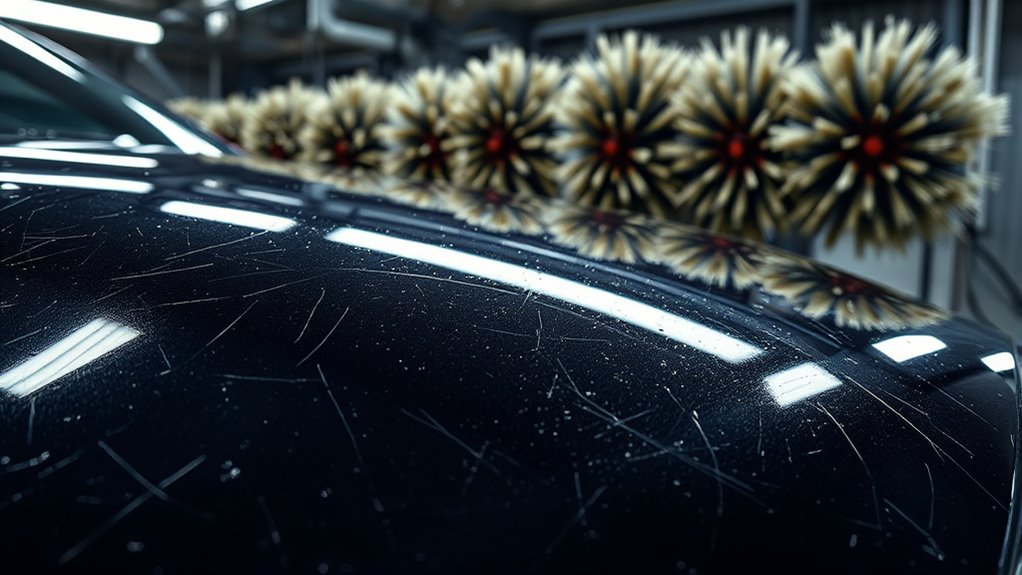
You risk developing swirl marks and dullness, which could require costly repairs. Plus, improper rinsing might leave soap residue that attracts dirt.
Want to know how to protect your car’s finish and choose the right products? There’s more to discover.
Key Takeaways
- Dish soap strips essential paint protection, making your car more vulnerable to scratches and damage.
- It degrades wax and sealants, reducing their effectiveness against UV rays and environmental harm.
- Harsh chemicals and residues can lead to fading, dullness, and a compromised paint finish over time.
- Using dish soap increases the risk of scratches from gritty particles and improper washing techniques.
- Long-term maintenance costs may exceed initial savings because specialized car wash products offer better protection and results.
Why Using Dish Soap Can Harm Your Car
While you might think using dish soap is an easy way to clean your car, it can actually cause more harm than good. Dish soap is designed to cut through grease and grime, but that’s not what your car needs. It strips away essential paint protection, leaving your vehicle vulnerable to scratches and environmental damage.
Over time, this can lead to fading and deterioration of the paint. Moreover, dish soap often leaves behind soap residue that can attract dirt and grime, making your car look worse in the long run.
You might think you’re saving time and money, but using dish soap can lead to costly repairs down the road. Instead, opt for a car-specific soap that’s gentle and formulated to maintain your paint’s integrity. Your car deserves better care than dish soap can provide, ensuring it stays in excellent condition.
The Chemistry of Car Paint vs. Dish Soap
Understanding the chemistry of car paint and dish soap reveals why they don’t mix well. Car paint is designed to withstand environmental factors and maintain its durability. In contrast, dish soap contains harsh chemicals that can trigger unwanted chemical reactions, compromising that durability.
Consider these vivid examples:
- A shiny coat slowly fading away under harsh soap.
- A protective layer eroding, exposing the paint beneath.
- Swirls and scratches appearing like scars on a once-smooth surface.
- Water beading up less effectively, losing that glossy finish.
- Colors dulling, transforming vibrant hues into lifeless shades.
When you wash your car with dish soap, you risk these damaging effects. The harsh ingredients strip away the protective elements of the paint, leaving it vulnerable to the elements. So, sticking to products specifically formulated for car washing is essential to preserving that beautiful finish.
Impact of Dish Soap on Wax and Sealants
When you wash your car with dish soap, you not only risk damaging the paint but also jeopardize the integrity of any wax or sealants applied. Dish soap is designed to cut through grease and grime, which means it can also lead to wax degradation.
The harsh chemicals in these soaps strip away the protective layer you’ve worked hard to maintain, leaving your car vulnerable to the elements.
If your vehicle has a sealant, using dish soap can accelerate sealant removal, reducing its effectiveness dramatically. You might think you’re giving your car a thorough clean, but in reality, you’re erasing the very barriers that protect the paint from UV rays, dirt, and water spots.
To keep your car looking its best, it’s essential to use a pH-balanced car wash soap specifically formulated for automotive finishes, ensuring your wax and sealants remain intact.
How Dish Soap Can Scratch Your Car
Using dish soap not only affects your car’s wax and sealants but can also lead to scratches on the paint. The harsh chemicals in dish soap break down the protective layers, exposing your car’s surface to potential damage. When you scrub, you might inadvertently create micro-scratches that compromise paint protection.
Consider how these factors contribute to scratching surfaces:
- Rough sponges can trap dirt and debris.
- Dish soap residues can leave gritty particles behind.
- Improper rinsing leads to soap buildup.
- Pressure from scrubbing can wear away at the paint.
- Environmental contaminants can cling to the soap, causing further scratches.
Each of these elements can jeopardize your vehicle’s finish, leading to a dull appearance over time. For a pristine shine, stick to products specifically designed for automotive care. Your car deserves the best protection!
Long-Term Damage From Dish Soap
Even if you think a quick wash with dish soap saves time, it can lead to serious long-term damage to your car’s finish. Dish soap isn’t designed for automotive paint and can trigger harmful chemical reactions. Over time, this leads to surface degradation, making your car look dull and worn.
Here’s a quick overview of the potential long-term effects:
| Effect | Description | Impact |
|---|---|---|
| Paint Fading | Dish soap strips wax and protective layers. | Diminished shine and color. |
| Oxidation | Exposure to elements increases due to lack of protection. | Rust and corrosion risk. |
| Swirl Marks | Scratches from improper cleaning methods. | Unattractive finish. |
| Clear Coat Damage | Dish soap can erode the clear coat. | Shortened lifespan of paint. |
Protect your investment by using products specifically designed for car care!
Cost Comparison: Dish Soap vs. Car Wash Products
When you compare the cost of dish soap to specialized car wash products, you’ll see there’s a pretty big difference in price per ounce. But here’s the thing — effectiveness and long-term costs can really change the value equation. So, let’s break down what you’re actually spending when you pick one over the other.
Price Per Ounce
Comparing the price per ounce of dish soap and dedicated car wash products reveals a significant difference that can impact your wallet. Dish soap often seems cheaper, especially when you consider bulk purchasing. However, the overall cost-effectiveness may not be as straightforward.
A small bottle of dish soap costs less than a premium car wash product. Car wash products are often designed for specific tasks, ensuring better results.
Bulk purchasing dish soap can save money but may not yield the best wash. Car wash products come with additional benefits like wax and protective agents.
The longevity of dedicated products might outweigh initial savings.
Effectiveness Comparison
While cost is a key factor, the effectiveness of dish soap versus dedicated car wash products plays a big role in your car care routine. An effectiveness analysis shows that dish soap may cut through grease, but it can also strip protective wax and damage paint over time. On the other hand, specialized car wash products are designed to improve cleaning performance without harming your vehicle’s finish.
Here’s a quick comparison:
| Product Type | Cleaning Performance | Protection |
|---|---|---|
| Dish Soap | Moderate | Low |
| Car Wash Shampoo | High | High |
| Eco-Friendly Wash | Moderate | Moderate |
| Wax-Infused Soap | High | High |
| All-Purpose Cleaner | Low | Low |
Choosing wisely can save you time and money in the long run!
Long-Term Cost Analysis
Although dish soap might seem like a budget-friendly choice for washing your car, its long-term costs can add up. Using dish soap can lead to increased maintenance expenses due to its harsh ingredients, which may strip your vehicle’s protective wax.
Over time, this can result in faded paint and a dull finish, increased susceptibility to rust, frequent touch-ups or repainting, higher detailing costs, and extended wear on sensitive parts.
These cost implications can outweigh any initial savings you might enjoy. While a dedicated car wash product may seem pricier upfront, it’s specifically formulated to protect your vehicle.
Ultimately, investing in the right car wash solution can save you money in the long run by reducing maintenance expenses and preserving your car’s appearance.
Key Features of Effective Car Wash Soap
When you’re choosing a car wash soap, it’s vital to look for specific features that guarantee effective cleaning without damaging your vehicle’s paint. First, consider the pH balance; a neutral formula guarantees it won’t strip wax or harm finishes. Next, check the surfactant properties. These help lift dirt and grime away.
High foam quality is another key feature, as it improves your visibility while washing and boosts the overall cleaning process. Effective residue removal is essential too. You want a soap that rinses clean without leaving behind any filmy remnants.
Don’t forget about lubrication effectiveness, which prevents scratches while you wash. Look for quality cleaning agents that are tough on dirt but gentle on surfaces. Finally, consider the environmental impact of the product and its user convenience. Easy-to-use formulas save you time and effort, making the entire process smoother.
Best Practices for a Safe Car Wash
To guarantee a safe car wash, start by gathering the right tools and materials before you begin. This assures you’re prepared and can effectively implement your cleaning techniques. Here are some essential items to have on hand:
- A soft microfiber wash mitt
- pH-balanced car wash soap
- A bucket with a grit guard
- Soft microfiber towels for drying
- A hose with a spray nozzle
With these tools, you’ll follow key car wash tips. Always rinse your car first to remove loose dirt. Use a two-bucket method: one for soapy water and another for rinsing your mitt. This prevents scratches.
Work from the top down, and avoid washing in direct sunlight to prevent spots. Finally, dry your car thoroughly to prevent water spots and protect the paint. By following these practices, you’ll maintain your car’s appearance and avoid damage.
Quick Car Wash Alternatives to Dish Soap
If you’re looking for quick car wash alternatives to dish soap, you’re in luck—there are plenty of safe soap options out there. You don’t have to worry about harsh chemicals either. Many eco-friendly products can clean your vehicle without harming the environment. So, let’s check out some effective solutions that keep your car shiny and green.
Safe Soap Options
While dish soap might seem convenient for a quick car wash, there are safer alternatives that protect your vehicle’s finish and overall integrity. Consider these gentle cleansers and biodegradable options that won’t strip away your car’s protective coatings:
- Car wash soap: Formulated specifically for vehicles, it’s gentle and effective.
- Natural soap: Made from plant-based ingredients, it’s eco-friendly and safe.
- Baby shampoo: Mild and gentle, it cleans without damaging surfaces.
- Castile soap: A biodegradable option that’s versatile and effective.
- Diluted vinegar solution: Cuts grease while being gentle on your paint.
Using these options not only keeps your car looking great but also helps maintain its longevity. So, choose wisely!
Eco-Friendly Products
Looking for quick car wash alternatives that are eco-friendly? You can easily opt for products made from sustainable materials. Many brands now offer car wash soaps that are designed to be tough on dirt but gentle on the environment.
These biodegradable options break down naturally, reducing pollution and protecting waterways. Consider using a waterless wash spray, which can clean your car without needing a hose, saving water in the process. Another great choice is a bucket wash using eco-friendly soap, combined with microfiber cloths for a scratch-free shine.
How to Prevent Future Damage
- pH-balanced car wash soap: It’s gentle on paint but tough on dirt.
- Microfiber towels: These are soft and absorbent, which helps reduce scratches.
- Regular waxing: This adds a protective layer against the elements.
- Avoid direct sunlight when washing to prevent streaks and premature drying.
- Rinse thoroughly to remove any residue that might harm the finish.
Frequently Asked Questions
Can I Use Dish Soap for Cleaning Other Vehicles, Like Motorcycles?
You can use dish soap to clean your motorcycle, but it’s not the best choice. It can strip away protective coatings and leave soap residue that might harm the finish.
For proper motorcycle maintenance, stick to products specifically designed for bikes. These cleaners guarantee you remove dirt without damaging the paint or metal.
Always rinse thoroughly to avoid any leftover soap, guaranteeing your bike stays in top shape for the road.
Is There a Specific Dish Soap That’s Safer for Cars?
There isn’t a specific dish soap that’s safer for cars, as most contain ingredients that can strip wax and damage your car’s paint protection. If you’re considering using dish soap, look for ones free of harsh chemicals like bleach and phosphates.
However, it’s best to use a soap specifically designed for vehicles, as these will clean effectively without compromising your car’s finish or protective layers. Always prioritize your car’s paint health!
How Often Should I Wash My Car to Avoid Damage?
You should wash your car every two weeks to maintain paint protection and prevent dirt buildup. If you live in a harsh environment, like near the ocean or in areas with heavy pollen, you might need to wash it more frequently.
Regular car wash frequency keeps your paint looking fresh and helps avoid damage from contaminants. Don’t forget to use a gentle car wash soap to guarantee your vehicle stays in top shape!
What Are the Best Alternatives to Dish Soap for Washing?
Regarding washing your car, think of it as giving your ride a spa day! Instead of dish soap, you’ll want to use eco-friendly cleaners or specialized automotive shampoos.
These options are gentle on your car’s finish and tough on dirt. They’ll keep your paint shining while being kind to the environment.
Can I Dilute Dish Soap to Minimize Its Harmful Effects?
Yes, you can dilute dish soap to minimize its harmful effects. By reducing the dish soap concentration, you lessen the risk of potential paint damage on your car.
Mix a small amount of dish soap with plenty of water, ensuring it’s well-diluted. This way, you can still clean your car effectively while protecting its finish.
Just remember, even diluted, it’s best to use a product specifically designed for car washing when possible.
Conclusion
To sum up, using dish soap may seem convenient, but it can lead to serious problems. It strips away wax, damages paint, and leaves scratches.
Instead of risking your car’s finish, choose a dedicated car wash soap that protects and preserves. Remember, a little effort goes a long way.
Opt for safer alternatives, follow best practices, and keep your car looking its best. Protect your investment, improve its shine, and enjoy the ride without worry when you wash your car with dish soap.