What Happens If You Wash Your Car Too Much?
If you love keeping your car spotless, you’re not alone. Many people struggle with finding the perfect balance between washing too often and not enough. You want your car to look great without risking damage to its finish, but it’s tricky to know how often is just right.
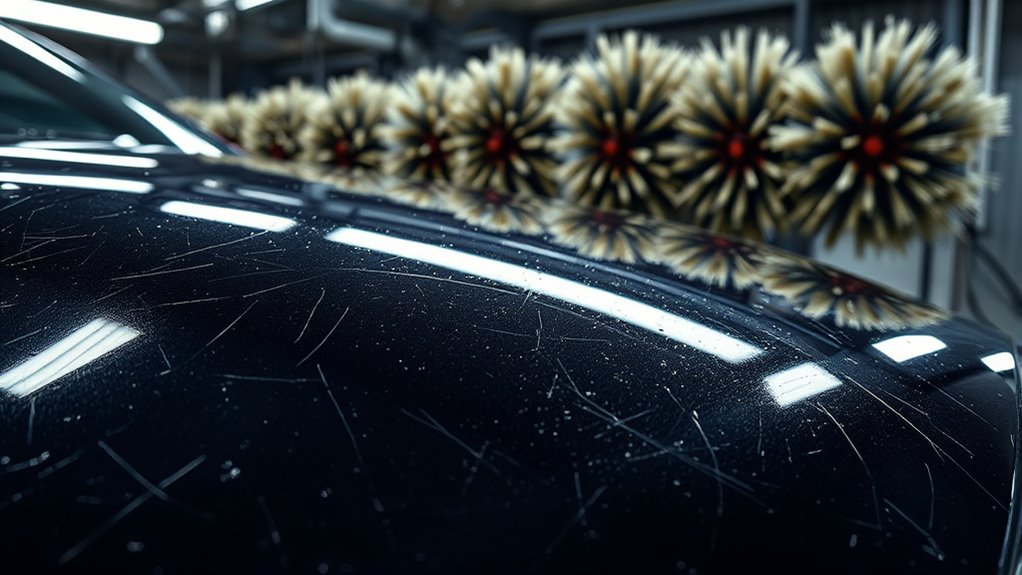
If you wash your car too much, you risk damaging the paint and wearing down protective coatings. Excessive cleaning can create swirl marks and scratches, making your vehicle more vulnerable to environmental harm.
Low-quality soaps may leave residues that dull the finish, while harsh scrubbing can erode layers of wax. It’s all about balance; find the right frequency that keeps your car clean without causing damage.
Stick around to uncover more tips on maintaining your vehicle’s finish.
Key Takeaways
- Excessive washing can wear away protective wax and coatings, which makes your car more vulnerable to scratches and environmental damage.
- Overwashing may cause paint deterioration, leading to costly repairs and reducing your vehicle’s longevity.
- Using harsh detergents and abrasive techniques can create micro-abrasions and dull your car’s finish.
- Signs of overwashing include swirl marks, fading paint, and loss of shine on tires and wheels.
- Finding the right washing frequency is key to keeping your car clean without compromising its protective layers.
Benefits of Regular Car Washing
When you wash your car regularly, you not only keep it looking great, but you also protect its value. Consistent car maintenance improves your vehicle’s aesthetic appeal, making it more enjoyable to drive and potentially increasing resale value. By removing dirt, grime, and harmful pollutants, you minimize the environmental impact on your car’s finish.
While there are cost considerations, the time investment in regular washing pays off by preventing more extensive damage later on. Utilizing effective cleaning techniques tailored to seasonal factors guarantees your car remains in top shape. Whether you opt for DIY methods or professional services, maintaining a clean vehicle is essential.
Regular washes help you catch minor issues before they escalate, making it a smart choice for long-term care. Ultimately, your commitment to regular washing reflects your dedication to preserving your car’s performance and appearance.
How Frequent Car Washing Affects Your Paint
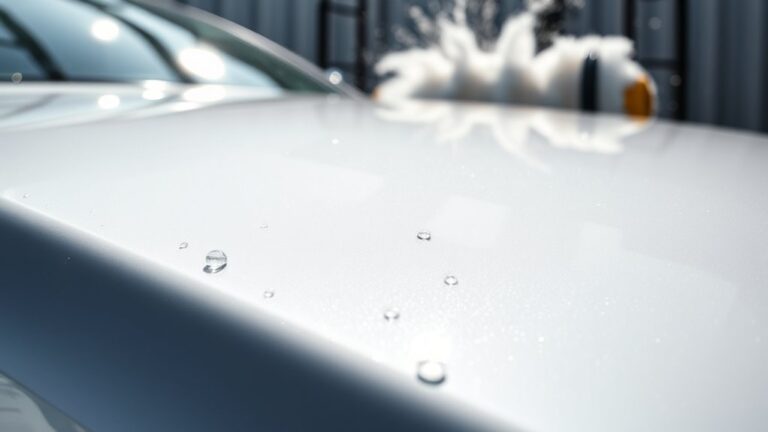
Washing your car too often can actually harm your paint job. You see, each wash wears away the protective wax layer, which is like your car’s shield against scratches and environmental damage. Without that wax, your vehicle becomes more vulnerable.
Over time, this wear and tear can add up. Before you know it, you might be facing costly repairs and a paint job that looks dull and tired. So, while keeping your car clean is important, it’s also good to find the right balance.
Paint Protection Deterioration
Frequent car washes can lead to the deterioration of your paint protection, especially if harsh chemicals or abrasive materials are used. Each wash chips away at the surface protection designed to keep your vehicle’s finish intact. Over time, this can greatly affect paint longevity, making your car more vulnerable to scratches, fading, and oxidation.
Using the wrong tools, like rough sponges or brushes, can make this issue worse, further compromising the protective layer. If you wash your car too often without thinking about the products and techniques you’re using, you might find your investment in paint protection is wasted. To keep a shiny and resilient finish, balance your washing routine with gentle methods and high-quality products.
Wax Layer Removal
Over time, the wear from excessive washing can strip away your car’s wax layer, diminishing its protective qualities. You might not realize that frequent washes can reduce wax durability, leaving your paint vulnerable to environmental damage.
Each wash can erode that protective coating, making it essential to be mindful of your maintenance practices. Instead of washing your car weekly, consider alternating with rinsing or using a detail spray to preserve the wax.
This approach not only maintains the shine but also protects your paint from scratches and fading. Ultimately, finding the right balance in your washing routine can help prolong the life of your wax and keep your car looking its best.
Abrasive Products and Your Car’s Finish
When you’re washing your car, the quality of the detergent you use really matters. You don’t want to use anything too harsh or abrasive because that can wear down your car’s finish over time.
And it’s not just about the soap—how you scrub makes a difference, too. The right technique can help keep that shine you love, while rough scrubbing might actually cause damage. So, being gentle and using good products go hand in hand.
Detergent Quality Matters
While you might think that any detergent is good enough for washing your car, the quality of the product you choose can greatly impact your vehicle’s finish. Low-quality detergents often leave behind detergent residue, which can dull your paint and attract dirt over time.
Furthermore, using the wrong pH balance can lead to corrosion or damage to your car’s protective coatings. A harsh detergent may strip away wax or sealants, leaving your paint vulnerable to the elements.
Opting for a high-quality car wash soap designed specifically for automotive use guarantees a gentle yet effective clean. Remember, investing in the right detergent not only maintains your car’s appearance but also protects its long-term value.
Scrubbing Techniques Impact Finish
Using the right scrubbing techniques is essential for maintaining your car’s finish. If you apply too much scrubbing pressure, you risk damaging the clear coat, leading to scratches and dullness.
Choose gentle wash methods, like microfiber cloths or soft sponges, to minimize abrasive contact. Avoid stiff brushes or harsh scrubbing pads, as they can create micro-abrasions that accumulate over time.
When washing, use a light touch and let the soap do the heavy lifting. Rinse thoroughly to remove any leftover soap residue, which can also harm your finish.
Does Excessive Washing Damage Protective Coatings?
Although regular car washes can keep your vehicle looking pristine, excessive washing may actually compromise the protective coatings designed to shield your car’s paint. When you wash your car too frequently, you risk wearing down the protective layers that improve coating longevity.
Excessive car washing can erode protective coatings, risking your paint’s longevity and vibrancy. Find a balanced washing routine.
Each wash, especially if it involves harsh soaps or abrasive techniques, can erode these coatings over time.
If you’re washing your car several times a week, consider scaling back. Finding a balance in your washing frequency helps maintain those essential protective layers.
Instead of frequent washes, opt for a thorough clean every few weeks and touch up with waterless wash solutions in between. This approach allows your car’s protective coatings to do their job, ensuring your paint remains vibrant and safeguarded against elements.
The Impact on Wax and Sealants
When you wash your car too often, you might inadvertently strip away the wax and sealants that protect its finish. Each wash can wear down these protective layers, reducing wax longevity and diminishing sealant effectiveness. If you’re using harsh soaps or automated car washes, the impact is even more pronounced.
Wax acts as a barrier against dirt and UV rays, but frequent washing can lead to a quicker breakdown. Likewise, sealants designed to bond tightly to your car’s surface can lose their grip with excessive washing.
You’ll end up needing to reapply these products more often, which not only costs you time and money but also leaves your vehicle vulnerable to scratches and environmental damage in between applications. To maintain that showroom shine, consider spacing out your washes and using gentler cleaning methods. This way, you’ll protect your car’s finish and prolong the life of your wax and sealants.
Why Water Quality Matters When Washing Your Car
When you wash your car, the quality of the water you use can make a big difference. You know, hard water often leaves spots and residues that dull your vehicle’s shine. Plus, chemical contaminants might actually harm the paint. So, paying attention to water quality is really important if you want to keep your car looking its best.
Hard Water Effects
While you might think that frequent washing keeps your car looking pristine, the quality of the water you use plays a crucial role in the outcome. If you’re using hard water, you may be setting yourself up for problems.
Hard water contains high levels of minerals, which can lead to unsightly mineral buildup on your car’s surface. This residue not only dulls the shine but can also etch into the paint over time, causing long-term damage.
You might notice spots or streaks that just won’t come off, no matter how much you scrub. To keep your car looking its best, consider using soft water or rinsing with distilled water after washing to minimize these hard water effects.
Chemical Contaminants Impact
Using hard water isn’t the only concern when washing your car. Chemical contaminants found in water can also affect your vehicle’s finish. When you wash your car, you might unknowingly introduce chemical residue from pollutants, pesticides, or industrial runoff.
These contaminants can cling to your paint, causing dullness, scratches, or even corrosion over time. Environmental factors like air quality and nearby construction can heighten these risks, making it essential to evaluate water quality.
If you use water with high levels of chemicals, you may end up damaging your car’s exterior more than you realize. To keep your vehicle looking its best, always opt for filtered or treated water when washing. Your car deserves the care!
How to Wash Your Car Without Damaging It
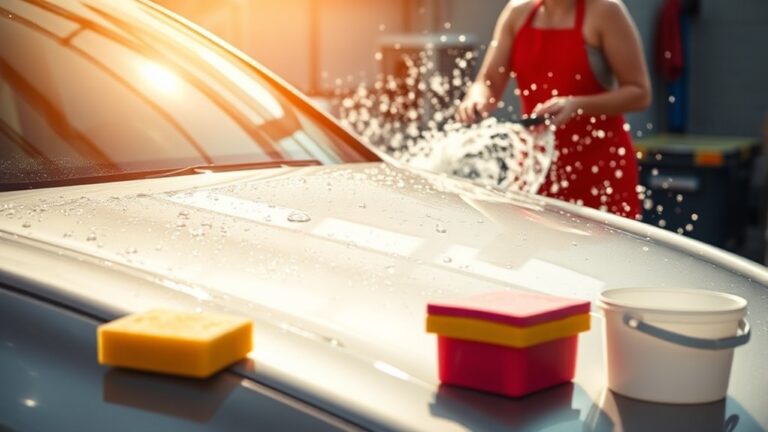
To wash your car without causing damage, it’s crucial to choose the right materials and techniques. Using waterless washing products can be a great alternative to traditional methods, as they reduce the risk of scratches. Always opt for high-quality microfiber towels; they’re soft and won’t harm your car’s paint.
Here’s a quick guide on effective washing techniques:
| Technique | Description |
|---|---|
| Waterless Washing | Cleans without water; minimizes scratches. |
| Two-Bucket Method | One for rinsing, one for soapy water; reduces dirt transfer. |
| Touchless Wash | Uses high-pressure water; avoids contact with paint. |
| Microfiber Towels | Soft, absorbent, and safe for surfaces. |
Common Mistakes to Avoid When Washing Your Car
Even with the right techniques and materials, washing your car can still go wrong if you’re not careful. One common mistake is poor car wash timing. Washing in direct sunlight can lead to soap drying too quickly, leaving streaks and spots. It’s better to choose an overcast day or wash your car in the early morning or late afternoon.
Another pitfall is using the wrong cleaning products. Not all soaps are suitable for cars; household cleaners can strip wax and damage paint. Always opt for products specifically designed for automotive use and follow the manufacturer’s instructions.
Lastly, don’t forget to rinse thoroughly. Residual soap can cause damage over time, so make sure you wash away every bit. By avoiding these mistakes, you’ll keep your car looking its best without risking harm.
Signs You Might Be Washing Your Car Too Much?
Washing your car too frequently can lead to noticeable signs that it’s time to cut back. One major indicator is the appearance of swirl marks or scratches on your paint. If you’re seeing these, it’s a sign of over washing risks, likely caused by improper techniques or abrasive materials.
Another sign is the fading of your car’s finish. If your once-vibrant color looks dull, it might be time to reassess your cleaning product selection. Harsh detergents can strip away protective layers, leading to damage over time.
Fading paint can signal the need to rethink your cleaning products, as harsh detergents may harm your car’s protective layers.
You might also notice that your tires and wheels are losing their shine or developing cracks. This can happen if you’re constantly applying strong cleaning agents that aren’t suitable for these surfaces.
If you recognize these signs, consider giving your car a break to maintain its overall health and appearance.
Tips for Finding the Right Washing Frequency
How often should you wash your car to keep it looking its best? Finding the right washing frequency involves considering various factors, like your driving habits and local conditions. Start by establishing a washing schedule based on how often you use your car. If you drive daily or park near construction sites, aim for weekly washes.
Seasonal considerations also play an essential role. In winter, road salt and grime can accumulate quickly, so you might want to wash more frequently. During the summer, pollen and dust can stick to your car, making bi-weekly washes ideal.
Pay attention to weather conditions, too. After heavy rain or snow, give your car a wash to remove contaminants. Ultimately, find a balance that keeps your car clean without overdoing it. Regular maintenance guarantees your vehicle stays in top shape while avoiding unnecessary wear from excessive washing.
Frequently Asked Questions
Can Washing My Car Too Much Void the Warranty?
Washing your car too much generally won’t void your warranty coverage, but it’s essential to follow the manufacturer’s maintenance guidelines. If you’re using harsh chemicals or improper techniques, that might lead to damage, which could affect warranty claims.
Always check your car’s manual for recommendations on cleaning methods and products. Keeping your vehicle clean is important, but moderation and care are key to maintaining warranty protection.
Does Washing My Car in Direct Sunlight Cause Damage?
Washing your car in direct sunlight can indeed cause damage. The sunlight’s impact can lead to soap and water drying quickly, which may leave spots or streaks on your paint.
This reduces paint protection and can even result in faded colors over time. To avoid these issues, try washing your car in the early morning or late afternoon when the sun’s less intense.
Keeping your car looking great is worth that extra effort!
Is It Safe to Use Dish Soap for Car Washing?
No, it’s not safe to use dish soap for washing your car. Dish soap can strip away your car’s protective wax and damage the paint, leading to dullness.
Instead, you should look for car-specific soaps designed to clean without harming the finish. There are plenty of washing alternatives available that are gentle yet effective.
Choosing the right product guarantees your car remains shiny and protected from environmental damage over time.
How Does Washing Frequency Affect My Car’s Resale Value?
Washing your car is like giving it a spa day; it keeps things fresh! Regular washes maintain your car’s paint condition, preventing dirt and grime buildup that can lead to damage.
A well-maintained exterior not only looks great but also boosts your resale value. If you wash too much, though, you might wear down the clear coat.
Striking a balance guarantees your car shines and retains its worth when it’s time to sell.
Can Washing My Car Too Often Lead to Rusting?
Washing your car too often can actually lead to rusting, especially if you’re using harsh chemicals or abrasive materials. Frequent washes can strip away paint protection, exposing the metal underneath to moisture and contaminants.
To maintain your car’s health, balance your washing routine with proper paint protection. Use gentle products and consider protective wax or sealants to keep your vehicle looking good while reducing the risk of rust.
Conclusion
In the grand scheme of car care, finding a balance is key. While keeping your vehicle spotless feels rewarding, overzealous washing can wear down its protective charm.
Think of it as giving your car a little too much TLC; it might not appreciate the extra attention. Adopt a mindful approach, and your ride will thank you with a gleaming finish and lasting beauty.
So, give it a break sometimes. If you wash your car too much, it could lose that shine you’re trying to protect. Your car deserves a little downtime, too!