How Often Should I Wash My Car?
Keeping your car looking fresh and protected can feel like a never-ending task. You’re not alone if you struggle with knowing how often to wash your car or which methods really work best. Many people want to maintain their vehicle’s value and appearance but aren’t sure where to start.
You should wash your car every two weeks to protect its value and maintain its appearance. Factors like driving habits, paint condition, and seasonal weather can influence this frequency. If you often drive on dirt roads or in heavy traffic, you might need to wash it more often.
Regular cleaning prevents dirt and grime from damaging your vehicle. Uncovering the best methods and tips for keeping your car clean can help improve its longevity.
Key Takeaways
- Wash your car every two weeks, especially in urban areas or adverse conditions. This helps prevent dirt buildup and damage.
- Consider your driving habits. If you often drive on dirt roads or in heavy traffic, you’ll need to wash your car more regularly.
- Seasonal changes affect how often you should wash your car. In winter, wash more to remove salt, and in summer, wash often to protect against UV damage.
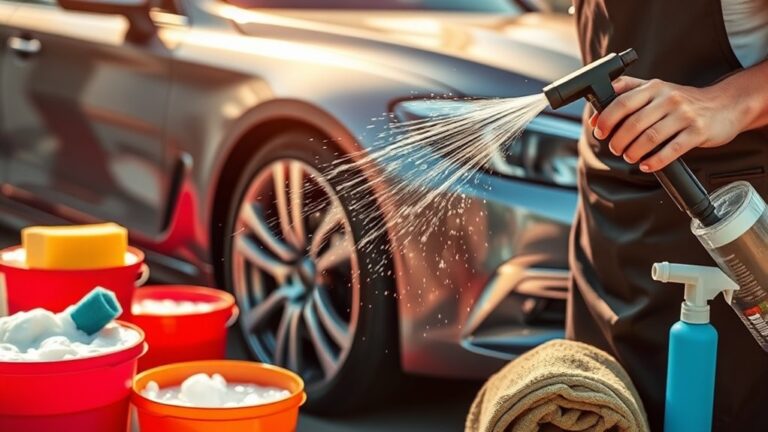
- Choose hand washing for a thorough clean and to apply protective treatments. Automatic washes are convenient but can be harsher on your paint.
- Always clean the undercarriage to prevent rust and keep your vehicle healthy overall.
Why Washing Your Car Matters
Keeping your car clean isn’t just about appearances; it also protects your investment. Regular washing is an essential part of car maintenance that helps prevent rust and corrosion from dirt and debris. When you neglect your car’s exterior, contaminants can damage the paint and lead to costly repairs down the road.
Plus, a clean car has a much better aesthetic appeal, making you feel good every time you get behind the wheel. Washing your car also improves visibility by keeping your windows and mirrors clear, which is critical for safety.
If you plan to sell your car in the future, a well-maintained exterior can greatly increase its resale value. Don’t forget about the interior. Keeping it clean adds to the overall experience and comfort.
Key Factors Influencing Car Washing Frequency
Several key factors influence how often you should wash your car. First, consider your driving habits. If you frequently drive on dirt roads or in urban areas with heavy traffic, dirt and grime accumulate faster, so you’ll need to wash more often.
Second, think about your car’s paint maintenance. Regular washing helps protect the paint from harmful contaminants, keeping it vibrant and free of scratches.
Next, evaluate the type of cleaning products you use. High-quality, pH-balanced cleaners can make a big difference in how often you need to wash your car. Using harsh chemicals might damage the finish, which could lead to more frequent washes.
Lastly, take into account your personal preference. If you love a spotless car, you might wash it more often. Others may wait longer between washes. Balancing these factors will help you find the right washing frequency for your needs.
How Weather Impacts Your Car Wash Needs
Weather really affects how often you should wash your car. For example, rain might wash away some dirt, but it can also leave spots behind. And then there’s winter—salt used on the roads can actually corrode your paint if you don’t wash it off.
In the summer, the sun tends to bake grime onto your car’s surface, so regular washes become super important to keep your car looking its best. So, depending on the season, your car wash needs can change quite a bit!
Rainy Days Considerations
Although rain might seem like a natural way to clean your car, it can actually lead to more dirt and grime if you don’t wash it regularly. Rainwater can carry pollutants, dust, and debris, which can settle on your vehicle’s surface and create a grimy layer.
If you park your car in muddy areas or during heavy rain, mud accumulation can occur, making your car look worse than before. Plus, the longer you leave contaminants on your car, the more they can damage the paint.
It’s essential to wash your car after significant rainfalls or when you notice dirt buildup. Don’t wait for the next downpour; regular cleaning keeps your car looking great and protects its finish.
Winter Salt Exposure
As winter sets in and roads are salted to combat ice, your car faces unique challenges that demand more frequent washes. Salt damage can be severe, causing corrosion and rust if left unchecked.
To protect your vehicle, prioritize winter maintenance by washing it every two weeks, or even weekly during heavy snowfalls. Pay special attention to the undercarriage, as salt tends to accumulate there, leading to long-term issues.
Regular car care not only keeps your vehicle looking good but also helps in rust prevention. Consider using a sealant after washing to add an extra layer of protection.
With a little effort, you can guarantee your car withstands the harsh winter conditions and remains in top shape for years to come.
Summer Sun Effects
While you might enjoy the warm summer sun, it can take a toll on your car’s exterior. Prolonged sun exposure leads to UV damage, causing paint fading and diminishing your car’s exterior shine.
To combat this, regular wax application is vital, as it forms a protective barrier against heat effects. Don’t overlook your tires; summer heat can cause them to wear out faster, so tire care is important.
Inside, the dashboard and upholstery need protection from sun damage, which can lead to cracks and discoloration. Regularly cleaning your windows guarantees clarity, enhancing your driving experience.
Urban vs. Rural Driving: Which Is Dirtier?
When you’re driving around the city, your car tends to pick up dust and grime from all the hustle and bustle. On the other hand, if you’re on rural roads, expect your vehicle to get muddy and covered with bits of debris. Knowing these differences can really help you figure out how often you should wash your car.
Urban Dust Accumulation
How does urban dust accumulation compare to that in rural areas? In urban environments, your car faces more dust and grime due to traffic, construction, and pollution. These factors lead to a higher concentration of particles settling on your vehicle.
To combat this, consider effective dust prevention strategies like regular washes and protective wax coatings. Incorporating urban cleaning techniques, such as using microfiber cloths for dusting, can help keep your car looking fresh.
Furthermore, washing your car more frequently in urban settings is vital, as accumulated dust can damage the paint over time. By staying proactive, you can minimize the impact of urban dust and maintain your car’s appearance. So, don’t let dust settle. Keep your vehicle clean!
Rural Mud and Debris
Urban environments expose your car to dust and grime, but rural driving brings its own challenges. These challenges are mostly mud and debris.
To keep your vehicle in top shape, you’ll need effective mud removal techniques and smart debris prevention strategies.
| Mud Removal Techniques | Debris Prevention Strategies |
|---|---|
| Use a pressure washer | Park away from loose gravel |
| Apply a clay bar | Install mud flaps |
| Clean tires and wheel wells | Use a protective coating |
| Rinse off quickly after rain | Regularly check undercarriage |
| Schedule washes after heavy use | Maintain a clean garage |
Seasonal Car Washing Tips
As the seasons change, your car’s washing routine should adapt to varying weather conditions. In winter, especially with road salt and grime, wash your car every two weeks to protect the paint and undercarriage.
Spring brings rain and pollen, so a thorough wash is vital to remove these contaminants. Aim for a wash at least once a month during this season.
In summer, sunlight can cause dirt and debris to stick, so you might want to wash your car every couple of weeks. Fall presents its own seasonal considerations, with leaves and mud accumulating. A monthly wash will help keep your car clean and maintain its appearance.
In all cases, regular maintenance routines, like waxing, can improve protection against the elements. Adapting your washing frequency to the seasons guarantees your car looks great and stays in top condition year-round.
How Driving Habits Affect Your Car Wash Needs
Your driving habits play an essential role in determining how often you should wash your car. If you frequently drive in harsh conditions, like muddy roads or areas with heavy pollen, you’ll notice dirt accumulating faster. This means you’ll need to wash your car more often to maintain its appearance and protect the paint.
On the flip side, if you stick to smooth highways and city streets, you might get away with washing less frequently. However, regular maintenance practices, like rinsing off road grime, can help prolong your car’s life.
Additionally, consider your driving frequency. If you use your vehicle daily, dirt and contaminants build up quicker than if it sits in the garage for days. By adjusting your car wash routine based on these factors, you’ll keep your vehicle looking great and guarantee it stays in top condition for years to come.
Hand Wash vs. Automatic: Which Is Best for Your Car?
When you’re trying to decide between a hand wash and an automatic wash, it really comes down to a few key things: cost, how well it protects your paint, and how much time you have. Hand washing tends to be more thorough, but it can take longer and might cost a bit more. On the other hand, automatic washes are quicker and more convenient, though they might be a little tougher on your car’s finish. So, think about what matters most to you—that way, you can pick the best option for your vehicle.
Cost Considerations
Choosing between hand washing and automatic car washes can greatly impact your wallet, with each option offering unique cost benefits. If you’re on a tight budget, automatic washes might seem cheaper upfront. However, frequent visits can add up, increasing your overall maintenance costs.
On the other hand, hand washing may require a bit more effort, but it often results in better care for your vehicle, potentially saving you money in the long run by avoiding scratches and damage.
When budget planning, consider how often you’ll wash your car. If you wash it frequently, an unlimited plan at an automatic wash could be cost-effective. Ultimately, weigh the costs against the care you want for your vehicle to make the best decision.
Paint Protection
While both hand washing and automatic car washes can keep your vehicle looking good, they differ considerably in the level of paint protection they offer. If you want to maximize your car’s finish, consider these key points:
- Hand Washing: This method allows you to apply protective wax or ceramic coating more effectively, ensuring a thorough clean without scratches.
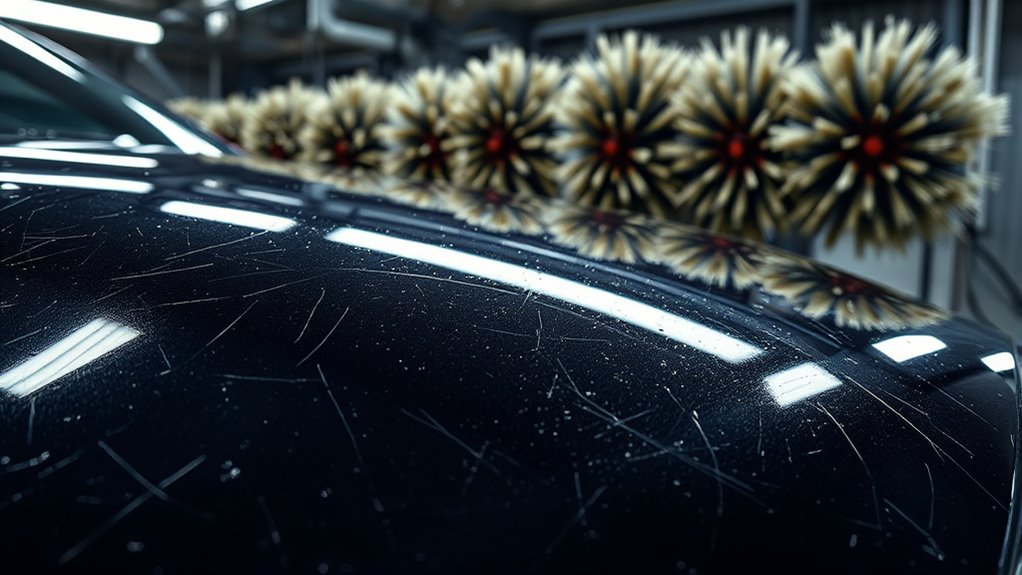
- Automatic Car Washes: These can be convenient but often use harsher brushes and chemicals, which might strip away protective layers.
- Maintenance: Regular hand washing lets you inspect your car for chips or damage, keeping your paint in top shape.
Ultimately, if you prioritize paint protection, hand washing with quality products is your best bet.
Time Efficiency
How quickly do you need your car clean? Regarding time efficiency, automatic washes are a great option if you’re short on time. They can have you in and out in 10 minutes, making them ideal for busy wash schedules.
However, if you’ve got a bit more time and want to guarantee every nook is spotless, a hand wash might be worth it. This method allows for better attention to detail but can take considerably longer, impacting your time management.
Ultimately, the choice depends on your priorities. If you value speed, go automatic; if you prefer thoroughness and care, hand washing is your best bet. Balance your needs with your schedule to keep your car looking great.
Key Indicators That Your Car Needs a Wash
Wondering when your car really needs a wash? Keeping your vehicle clean isn’t just about looks; it helps maintain its value too. Here are three key indicators to watch for:
- Dirt Accumulation: If your car’s exterior is covered in dirt, grime, or mud, it’s time for a wash. This buildup can damage the paint over time.
- Visual Inspection: Take a good look at your car. If you notice a cloudy or dull finish, that’s a sign it needs some TLC. A clean surface improves the paint’s shine.
- Windshield Visibility: If your windshield is smeared or dirty, it can obstruct your view. Clean glass is essential for safe driving.
Expert Recommendations for Car Washing Frequency
In regard to keeping your car in top shape, experts generally recommend washing it every two weeks, especially if you frequently drive in urban areas or during harsh weather conditions. Many people fall for car wash myths, believing that washing less often saves time and money.
Experts recommend washing your car every two weeks to prevent damage from dirt and grime, especially in urban and harsh conditions.
In reality, neglecting regular washes can lead to damage from dirt, grime, and salt.
When you do wash your car, using ideal washing techniques is essential. Opt for a touchless wash or a soft cloth wash to minimize scratches. Don’t forget to clean the undercarriage, as it’s often overlooked but vital for preventing rust.
For those who drive in more extreme conditions, you might want to increase the frequency. Staying proactive with your car care not only keeps it looking great but also helps maintain its value over time. Invest the time now, and your car will thank you later!
Tips for Keeping Your Car Clean Between Washes
Maintaining your car’s cleanliness between washes can make a noticeable difference. By following some simple detailing tips, you can keep your ride looking fresh without much effort. Here are three easy ways to do just that:
- Wipe Down Surfaces: Use a microfiber cloth to regularly wipe down the dashboard, console, and other surfaces. This helps prevent dust buildup and keeps your interior looking sharp.
- Vacuum Regularly: A quick vacuum session can remove crumbs and debris that accumulate over time. Focus on the seats, floor mats, and any crevices where dirt tends to hide.
- Use a Trash Bag: Keep a small bag in your car for trash. This simple step prevents clutter from piling up and keeps your interior clean.
Frequently Asked Questions
Can I Wash My Car During Winter Months?
Yes, you can wash your car during winter months. In fact, it’s essential for winter car care. Road salt can accumulate and cause corrosion, so regular washes help with salt removal.
Aim to wash your car every few weeks, especially after snowstorms or if you notice salt buildup. Just make sure you’re using a heated bay or washing during the warmer part of the day to prevent freezing. Your car will thank you!
Is It Bad to Wash My Car Too Often?
Washing your car too often isn’t necessarily bad, but it can have a frequency impact on your paint. Studies show that excessive washing can strip away protective wax layers.
However, regular washes offer benefits like removing dirt and grime that could damage your finish. If you keep it balanced and wash when needed, you’ll maintain your car’s appearance without risking the paint. Just listen to your car and wash it wisely!
Will Washing My Car Scratch the Paint?
Washing your car won’t necessarily scratch the paint if you follow proper techniques. Use a soft microfiber cloth and a gentle soap designed for vehicles. This helps with paint protection and scratch prevention.
Avoid washing in direct sunlight, as it can lead to water spots and potential damage. Regularly maintaining your car’s cleanliness is essential, but always be mindful of the tools and products you choose to avoid any harm to the finish.
How Long Does a Car Wash Typically Take?
A car wash can feel like an eternity, but it usually takes about 10 to 30 minutes, depending on whether you’re opting for a quick wash or a deep clean.
If you’re in a hurry, the quick wash zips by in no time, leaving your ride refreshed. However, if you’re treating your car to a deep clean, get ready to enjoy a bit of extra pampering. It’s totally worth it!
Can I Use Dish Soap to Wash My Car?
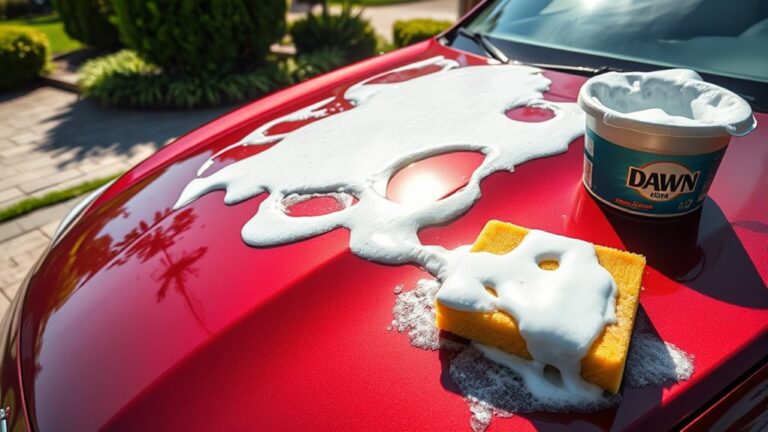
No, you shouldn’t use dish soap to wash your car. While it might seem convenient, dish soap can strip away your car’s wax and damage the paint.
Instead, opt for car-specific soaps that are designed for proper washing techniques. If you’re looking for dish soap alternatives, consider using a gentle car wash soap or even a mix of water and vinegar for a DIY solution.
Always remember to rinse thoroughly!
Conclusion
To sum up, washing your car regularly protects its paint, improves its value, and keeps you safe on the road. Whether you’re dealing with grime from city driving or seasonal dirt, staying proactive guarantees your vehicle shines.
By recognizing the signs that show it’s time for a wash, you can maintain your car’s appearance and performance. So, adopt the routine, enjoy the drive, and take pride in a clean, well-cared-for vehicle.
Remember, knowing how often you should wash your car is key to keeping it looking great and running smoothly.