A Step-by-Step Guide to Washing Your Car at Home
Keeping your car clean can feel like a never-ending chore, especially when you want to do it right without wasting water or using harsh chemicals. If you’ve ever struggled to find an easy, effective way to wash your car at home, you’re not alone. Many people want a simple routine that’s both eco-friendly and gets great results.
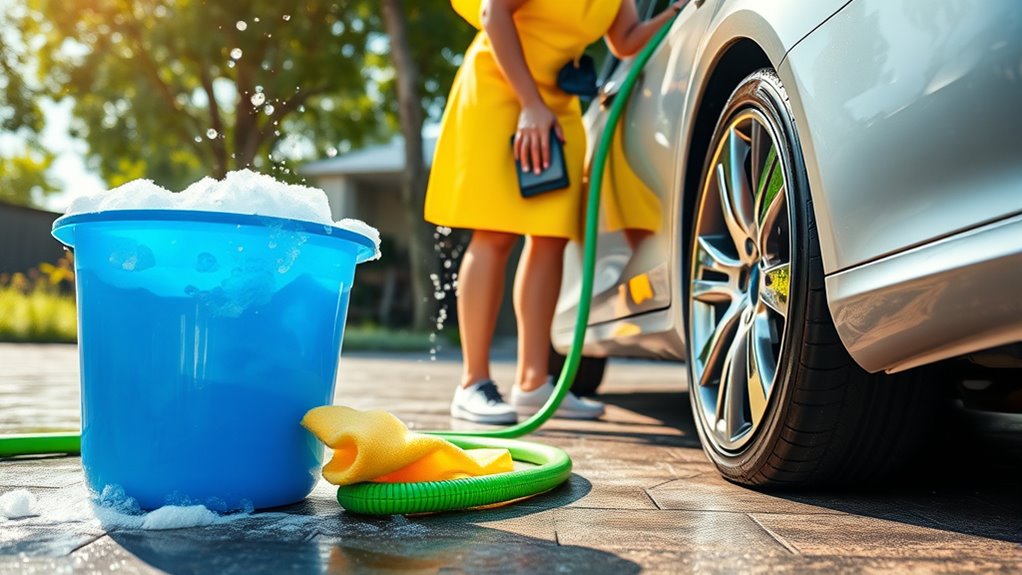
Washing your car at home is easy and eco-friendly. First, gather your supplies like a bucket, sponge, and microfiber cloths. Find a flat, shaded spot with water access.
Start with a thorough rinse to remove dirt, then wash from top to bottom with biodegradable soap. Don’t forget to clean your wheels and apply wax for that extra shine.
Vacuum the interior and use freshening techniques to keep it looking great. There’s plenty more to improve your car care!
Key Takeaways
- Gather essential supplies like eco-friendly soap, sponges, microfiber cloths, and a hose for an effective home car wash.
- Rinse the car thoroughly to remove dirt before applying soap, focusing on wheels and lower panels.
- Wash the car from top to bottom using a sponge, rinsing frequently to avoid scratches.
- Clean wheels and tires with dedicated products, scrubbing thoroughly before applying tire shine for a polished look.
- Vacuum and detail the interior regularly, using appropriate cleaners and conditioners for upholstery and leather.
Gather Your Supplies for a Home Car Wash
Before you get started, it’s essential to gather all the supplies you’ll need for a successful home car wash. First, grab your car wash equipment, including a bucket, sponge, and microfiber cloths. Make sure you have a hose with a spray nozzle for easy rinsing.
Next, choose eco-friendly products to protect both your car’s finish and the environment. Look for biodegradable car wash soap and wheel cleaners that won’t harm nearby plants.
You’ll also want a vacuum for the interior, a glass cleaner for the windows, and tire shine for that finishing touch. Don’t forget about a drying towel to prevent water spots after rinsing.
Having everything ready saves time and makes the process smoother. With the right supplies, you’ll enjoy a thorough, efficient car wash that leaves your vehicle looking great while being kind to the planet.
Choose the Best Location for Washing Your Car
Where’s the best spot to wash your car? Ideally, you want a location that’s flat, has easy water access, and provides some privacy. A shaded area on a sunny day can help prevent soap from drying too quickly, ensuring an effective clean.
Check for neighborhood restrictions; some places may have rules against washing cars on the street. Consider the surface type as well; asphalt or concrete works best to avoid mess.
Make sure you’re aware of the environmental impact too. Use biodegradable soaps and avoid washing near storm drains to prevent runoff. This keeps harmful chemicals from reaching local waterways.
How to Pre-Wash: Rinsing Off Dirt and Debris
Before you start washing your car, it’s a good idea to gather all the supplies you’ll need. This makes the whole process go a lot smoother.
When you’re ready, use the right technique to rinse off dirt and debris. Pay special attention to key areas like the wheels and lower panels—they tend to collect the most grime.
Doing this prep work really sets the stage for a thorough clean later on.
Gather Necessary Supplies
Gathering the right supplies is essential for a successful pre-wash when rinsing off dirt and debris from your car. Start with a high-quality hose or pressure washer, as this will help you effectively remove grime. You’ll also need a foam cannon or spray nozzle, which can make rinsing easier.
Don’t forget car wash essentials like a bucket and grit guard to keep dirt from scratching your paint. For cleaning products, choose a gentle car shampoo that won’t harm the finish. A soft sponge or wash mitt is also vital for preventing scratches.
Finally, grab a microfiber towel for drying. With these supplies, you’ll be ready to tackle that pre-wash and keep your car looking great.
Use Proper Technique
Start by thoroughly rinsing your car to loosen and remove dirt and debris. Use a high-pressure nozzle if you have one, as it helps dislodge stubborn grime. As you rinse, maintain a proper grip on the hose, ensuring you can direct the water effectively.
Begin from the top and work your way down, using a consistent washing motion to prevent dirt from being pushed back onto already cleaned areas. Pay special attention to wheel wells and lower panels, where dirt tends to accumulate.
Rinse until the water runs clear, and don’t forget to check for any remaining spots. This initial step sets the foundation for a thorough wash, making the entire process easier and more effective.
Focus On Key Areas
Focusing on key areas during your pre-wash is essential for effectively removing dirt and debris. Start by rinsing the wheels and wheel wells, as these areas often harbor grime that can damage your car’s finish.
Next, target the lower panels where mud and road salt accumulate. An eco-friendly practice is to use a bucket or hose with a nozzle to minimize water waste while rinsing.
Make sure to pay attention to the front grille and headlights, as bugs and road dirt can cling tightly here. By concentrating on these spots, you’ll increase your car wash benefits, leading to a cleaner, shinier vehicle.
Taking this approach not only protects your car but also supports sustainable washing practices.
Step-by-Step Instructions to Wash Your Car
Now that you’ve pre-washed your car, it’s time to dive into the nitty-gritty of cleaning. You’ll want to gather some essential supplies to make the whole process smooth and effective. So, let’s walk through the detailed washing steps to get your ride sparkling clean.
Essential Supplies Needed
To successfully wash your car at home, you’ll need a few essential supplies that make the process smooth and effective. Start with a high-quality car wash soap, as this is one of the key car wash essentials. Look for eco-friendly products that are safe for your vehicle and the environment.
You’ll also need a soft sponge or wash mitt to avoid scratching the paint. A microfiber towel is essential for drying, while a wheel brush helps tackle dirt and grime from your tires.
Don’t forget a bucket for soapy water and another for rinsing. Finally, consider using a wax or sealant for a protective finish. With these supplies, you’re set for a successful wash!
Detailed Washing Process
Start by rinsing your car thoroughly with water to remove loose dirt and debris. Next, grab your sponge or wash mitt and dip it in a bucket filled with water and eco-friendly soap. Using gentle car wash techniques, work from the top down, ensuring all areas get a good scrub. Rinse the sponge frequently to avoid scratching the paint.
After washing, rinse your car again, making sure all soap is removed. For wheels, use a dedicated brush and a separate bucket of soapy water, since they can be dirtier. Finally, dry your car with a microfiber towel to prevent water spots. Regularly washing your car not only keeps it looking great but also protects the paint from damage.
How to Clean Your Wheels and Tires Effectively
Cleaning your wheels and tires effectively can transform your car’s appearance and boost its overall performance. Start by gathering the right cleaning products, including a dedicated wheel cleaner and a tire shine product.
Use a soft brush to scrub away brake dust and grime, making sure you reach all the crevices. For improved wheel care, consider applying a protective coating after cleaning. This helps repel dirt and makes future maintenance easier.
Use seasonal cleaning as a reminder to keep your wheels in top shape, especially before and after winter. Regular tire rotation is also essential for even wear, so include it in your maintenance tips.
Once you’ve scrubbed everything, rinse thoroughly to remove all cleaning agents. Finally, apply tire shine for that polished look and added protection. With these steps, your wheels and tires will look great and perform better on the road!
Rinse and Dry for a Spotless Finish
Once you’ve scrubbed away all the dirt and grime, rinsing your car properly is essential for achieving a spotless finish. Start by using a high-pressure hose to remove soap, making sure you hit every nook and cranny. This helps prevent streaks and water spots, which are key to those spotless techniques you’re aiming for.
After rinsing, it’s time to dry. Grab your drying tools, preferably a microfiber towel or a chamois, since they’re highly absorbent and less likely to scratch the surface. Begin drying from the top down so gravity can help. Pay special attention to areas where water tends to collect, like around mirrors and door handles.
Finally, don’t forget to dry the wheels and tires too. A thorough drying process not only improves the appearance but also protects your car’s finish. With these steps, you’ll have a gleaming, spotless car ready for the road!
How to Apply Wax After a Home Car Wash
Now that your car is clean and dry, it’s time to think about waxing. Picking the right wax is key to protecting your paint and giving it that extra shine. So, let’s dive into some easy and effective ways to apply your wax and get the best results.
Choosing The Right Wax
When selecting a wax, think about your car’s needs and your own preferences. For instance, if you want a glossy finish, a high-quality paste wax might be your best bet.
Make sure to check the application methods, as some waxes may require specific tools or techniques for the best results. Choose wisely, and your car will look fantastic!
Application Techniques Explained
Applying wax to your freshly washed car can improve its shine and protect the paint. To achieve the best results, use effective application methods that complement your washing techniques. Follow these steps for a smooth application:
Choose a clean, soft applicator: Microfiber or foam pads work best for even distribution.
Apply in sections: Work on small areas at a time to guarantee the wax doesn’t dry out before you buff it off.
Buff with a clean microfiber cloth: Use a separate cloth to remove excess wax, revealing a brilliant shine.
Tips for a Fresh Interior Cleaning
Although cleaning your car’s interior may seem challenging, a fresh and tidy space can greatly improve your driving experience. Start with interior vacuuming to remove dirt and debris. Focus on upholstery cleaning, using appropriate products for your fabric type. Don’t forget dashboard dusting; a microfiber cloth works wonders.
For a quick reference, here’s a handy table:
| Task | Tips |
|---|---|
| Floor Mats Care | Shake out and scrub mats |
| Window Shining | Use glass cleaner and cloth |
| Air Fresheners Selection | Choose a subtle scent |
After cleaning, guarantee odor elimination by leaving a small bowl of baking soda overnight. Finally, finish up with detailing tools to give your interior that polished look. With these steps, you’ll enjoy a fresh, inviting driving space!
Detailing Your Car: Interior and Exterior Tips
Detailing your car can transform its appearance and longevity, making it worth the effort. To achieve that showroom shine, focus on both the interior and exterior. Here are some essential tips:
Upholstery cleaning: Start by vacuuming the seats and carpets. Use a suitable cleaner to tackle stains, and make sure you follow the product instructions carefully.
Leather conditioning: If your car has leather seats, apply a high-quality conditioner to keep them supple and prevent cracks. Don’t forget to buff them for a nice sheen!
Exterior wash and wax: Rinse off dirt, wash with a pH-balanced soap, and finish with a good wax for protection against the elements.
Maintenance Tips for Keeping Your Car Looking Great
Keeping your car looking great goes hand in hand with regular maintenance. Focus on both interior maintenance and exterior protection to preserve your vehicle’s appeal.
Schedule routine inspections to catch any issues early, and don’t forget about seasonal care. Different weather requires different strategies.
Here’s a quick reference table to keep you on track:
| Maintenance Task | Frequency |
|---|---|
| Waxing (Paint Protection) | Every 3 months |
| Vacuuming (Upholstery Care) | Weekly |
| Trim Restoration | As needed |
| Interior Detailing Tools | Monthly |
| Check for Sun Damage | Every season |
Frequently Asked Questions
How Often Should I Wash My Car at Home?
You should wash your car at least once every two weeks, but adjust the frequency based on seasonal considerations. In winter, grime and salt can build up, so consider washing more often.
During summer, pollen and dirt might require you to clean your car regularly as well. Keeping an eye on the weather and your car’s appearance can help you determine the best car wash frequency for your needs.
Can I Use Dish Soap to Wash My Car?
You shouldn’t use dish soap to wash your car. While it might cut grease, it can strip away wax and damage your car’s paint protection.
Instead, opt for car wash soap specially formulated for vehicle surfaces. If you’re looking for dish soap alternatives, consider biodegradable options or even homemade solutions that won’t harm your paint.
Protecting your car’s finish guarantees it stays looking great while resisting the elements.
Is It Safe to Wash My Car in Direct Sunlight?
It’s not ideal to wash your car in direct sunlight. The sun can cause soap and water to dry too quickly, which leads to streaks and potential sun damage on the paint.
If you must wash it outside, try to use shaded areas or wash during cooler parts of the day. Also, use drying techniques like microfiber towels to avoid water spots.
Taking these precautions helps keep your car looking its best while minimizing damage.
What Type of Sponge or Cloth Is Best for Washing?
Imagine your car as a canvas, waiting for a gentle artist’s touch. When it comes to washing, a microfiber cloth or a soft sponge works best.
Microfiber traps dirt like a net, keeping your paint scratch-free. A soft sponge, like a cloud, glides smoothly across the surface.
Avoid anything abrasive. Those harsh textures can ruin your masterpiece. Choose wisely, and your car will shine like a work of art!
How Can I Prevent Water Spots After Rinsing?
To prevent water spots after rinsing, use a two-bucket method for rinsing techniques. First, rinse your car thoroughly with clean water and use a microfiber towel to dry it immediately.
Don’t let water sit on the surface, as that leads to spots. Consider using a detailing spray for extra protection, too. Following these simple water spot prevention tips will keep your car looking pristine and free of unsightly marks.
Conclusion
Now that you’ve mastered the art of washing your car at home, you can keep it shining like a diamond in the sun! Regular maintenance not only improves your vehicle’s appearance but also protects its value.
Remember, a clean car isn’t just a joy to drive; it’s your ticket to turning heads everywhere you go. So grab those supplies and give your ride the care it deserves. Your car will thank you with every mile when you keep up with washing your car at home!