Essential Tools and Soaps You Should Use to Wash My Car
Washing your car can feel like a daunting chore, especially when you want to avoid swirl marks, scratches, or leftover grime. You’re not alone—many people struggle to find the right tools and soaps that make car washing both effective and safe.
If you’ve ever wished for a smoother, more enjoyable car wash experience, this roundup of essential tools and soaps is here to help.
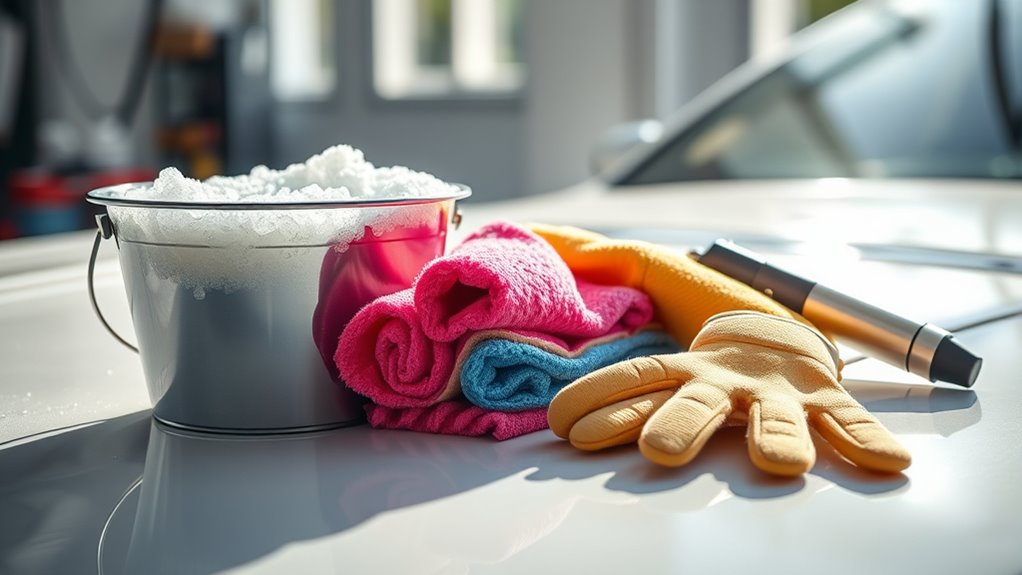
To effectively wash your car, start with essential tools like a quality bucket, grit guard, and microfiber towels. Use a pH-balanced car wash soap or a high-foaming option for better dirt lift. A foam cannon helps distribute soap evenly.
When drying, blot instead of wiping to avoid scratches. Don’t forget to choose the right wash mitt to minimize the risk of damaging your paint.
Keep going, and you’ll uncover more tips for a perfect car wash.
Key Takeaways
- Use a quality bucket with a grit guard to prevent scratches and keep wash water clean. This helps avoid dirt particles from rubbing against your car’s surface.
- Choose pH-balanced car wash soap to safely clean without damaging wax or sealants. It’s gentle yet effective for maintaining your car’s finish.
- Opt for a foam cannon for even soap distribution and effective dirt removal. It makes washing quicker and helps loosen grime better than a regular spray.
- Select microfiber towels for drying, employing a blotting technique to minimize scratches. This way, you avoid rubbing dirt into the paint.
- Invest in a good wash mitt that fits securely and is made of safe, scratch-free material. It ensures you’re gentle on the paint while scrubbing away dirt.
Why Washing Your Car Regularly Matters
While you might think washing your car is just about keeping it looking good, regular cleaning actually plays an essential role in maintaining its value and performance. Dirt, grime, and road salt can damage your vehicle’s paint and lead to rust over time.
By washing your car frequently, you’re not just preserving its appearance; you’re also extending the life of its exterior. This is vital for car maintenance, as a well-maintained vehicle holds its value better when it’s time to sell or trade in.
Regular washes help protect your paint’s longevity by removing contaminants that can cause fading and deterioration. Plus, a clean car provides a more enjoyable driving experience and can improve your vehicle’s overall performance.
Essential Tools for a Safe Wash
To guarantee a safe and effective wash, you’ll need the right tools at your disposal. Start with a quality bucket to prevent dirt and grime from scratching your car’s surface. Using a grit guard can further assure that debris stays at the bottom, keeping your wash technique effective.
To ensure a safe wash, use a quality bucket and grit guard to protect your car’s surface from scratches.
For soap selection, choose a pH-balanced car wash soap designed specifically for automotive finishes. This will help lift dirt without harming your paint.
Don’t forget microfiber towels for drying; they’re soft and absorbent, minimizing the risk of scratches. A good foam cannon can also improve your wash by distributing soap evenly, making it easier to lift stubborn grime.
Finally, invest in a quality hose with a spray nozzle to control the water flow. With these essential tools, you’ll set yourself up for a successful and safe car wash, protecting your vehicle while achieving a spotless finish.
Choosing the Right Wash Mitt for Your Car
Next, think about wash mitt sizes. A larger mitt can cover more area quickly, while a smaller one lets you maneuver better in tight spots. You might prefer a mitt with a cuff to keep it securely on your hand, making washing more comfortable.
Ultimately, the right combo of material and size will help you wash your car more effectively. This way, you’ll get a clean and polished finish without risking scratches. So, take your time choosing the best mitt for your needs!
Types of Car Wash Soaps: Which One Is Best?
Choosing the right wash mitt is just the beginning. The soap you use plays a big role in getting that spotless shine. When picking a car wash soap, think about the foam types and pH levels to get the best results.
Selecting the right wash mitt is just the start; the soap you choose is crucial for achieving a flawless shine.
Here are some soap types to consider:
- Foam Cannon Soap: Generates thick foam for easy rinsing.
- pH-Neutral Soap: Gentle on your car’s finish and safe for waxes and sealants.
- High-foaming Soap: Great for lifting dirt and grime.
- Waterless Wash: Perfect for quick clean-ups without rinsing.
- Detailing Soap: Ideal for keeping a showroom shine between washes.
Each soap has its strengths, so choose one that fits your needs. Remember, the right soap not only cleans but also protects your vehicle’s finish, helping it look new longer.
Why You Need a Grit Guard in Your Wash Bucket
When you wash your car, using a grit guard in your wash bucket is a game changer. It stops dirt and grit from swirling back into your cleaning solution, which means you’re not just spreading grime around. Plus, it makes your washing process way more efficient.
And here’s the best part: this simple little tool actually helps protect your car’s paint. So, you end up with a spotless, scratch-free finish every time. It’s definitely worth adding to your car care routine!
Prevents Dirt Resuspension
While you might think a simple wash bucket is enough for cleaning your vehicle, incorporating a grit guard can make a significant difference in your car washing routine. This tool prevents dirt resuspension, ensuring that dirt stays at the bottom of your bucket. That’s essential for effective dirt prevention techniques.
Here are some key benefits of using a grit guard:
- Keeps dirt and debris away from your wash mitt
- Reduces the risk of scratching your car’s surface
- Improves the effectiveness of your soap and water
- Allows for cleaner wash water, extending your wash frequency benefits
- Saves you time by preventing the need for multiple rinses
Investing in a grit guard makes your washing routine more efficient and effective.
Enhances Washing Efficiency
A grit guard doesn’t just keep dirt from resuspending; it also greatly improves washing efficiency. By using one in your wash bucket, you create a dedicated space for dirt to settle, allowing your soap selection to work its magic without interference.
This means you can use effective washing techniques, like the two-bucket method, with greater confidence. Instead of transferring dirt back onto your car, the grit guard guarantees that you’re always working with cleaner water.
This not only saves time but also helps you achieve a more thorough clean. With less effort, you’ll notice a significant difference in how your vehicle shines. So, investing in a grit guard is a smart move for any car enthusiast.
Protects Paint Surface
Using a grit guard in your wash bucket is essential for protecting your vehicle’s paint surface. It acts as a barrier, making sure dirt and debris don’t get transferred back to your car during washing. This helps keep your paint sealant effective and your surface protected.
Here’s why you should use a grit guard:
- Reduces Swirls: Minimizes the chance of scratching.
- Keeps Water Clean: Filters out dirt particles.
- Saves Time: Less need for re-washing.
- Enhances Shine: Maintains the integrity of your paint.
- Increases Longevity: Protects your car’s finish over time.
Investing in a grit guard means you’re choosing to keep your car’s paint looking pristine for longer.
Picking the Best Hose and Nozzle for Your Car Wash
Regarding washing your car, choosing the right hose and nozzle can make all the difference in achieving that spotless shine. Start with the hose; opt for durable materials like rubber or reinforced vinyl. These options resist kinks and abrasions, ensuring a steady water flow while you wash.
Next, consider the nozzle types. A spray nozzle with adjustable settings lets you control water pressure, which is essential for rinsing off soap without damaging your paint. Look for nozzles that offer both a fine mist and a strong jet stream. This versatility helps you tackle different cleaning tasks, from gentle rinsing to removing stubborn dirt.
Waxing vs. Sealing: Which Protects Better?
When it comes to protecting your car’s finish, you might be wondering which is better: waxing or sealing. Wax gives your car a warm glow and really makes the shine pop. On the other hand, sealants last longer and offer stronger protection against the elements. So, let’s take a closer look at the benefits of each to help you figure out what works best for your ride.
Wax Benefits Overview
Choosing the right protection for your vehicle can make a big difference in how it looks and lasts over time. When it comes to wax, there are different types, each with its own benefits.
Here are some advantages of waxing your car:
- Enhanced shine: Wax adds a glossy finish that makes your car look brand new.
- UV protection: It helps shield your paint from harmful sun rays.
- Water repellency: A good wax creates a barrier that causes water to bead off.
- Scratch resistance: Wax provides a layer of defense against minor scratches.
- Easy application: Various application techniques, like spray or paste, make it user-friendly.
Picking the right wax can keep your car looking great while protecting its surface from wear and tear.
Sealant Advantages Explained
While wax offers appealing benefits for your car’s shine and protection, sealants provide a different level of durability and longevity. Sealant application is straightforward and can save you time.
Unlike wax, which may need frequent reapplication, sealants can last for months, ensuring your car stays protected against the elements. The increased sealant longevity means you spend less time maintaining your vehicle and more time enjoying it.
Sealants bond with your paint, creating a strong barrier against UV rays, dirt, and contaminants. If you’re looking for hassle-free protection that withstands the test of time, opting for a sealant might be your best bet.
Ultimately, choosing between wax and sealant depends on your specific needs and preferences.
Best Practices for Drying Your Car to Avoid Scratches
Drying your car properly is essential to preventing scratches and keeping its shine. Using the right drying techniques really makes a difference. Here are some best practices to follow:
Choose quality microfiber towels. They’re soft and absorbent, which helps reduce the risk of scratches.
Use a blotting technique. Gently blot water instead of wiping, since wiping can drag dirt across the surface.
Work from top to bottom. Start drying at the roof and move downward to avoid redistributing water.
Dry in sections. Focus on one area at a time so you don’t miss any spots.
Keep towels clean. Regularly wash your microfiber towels to remove dirt and debris.
Top Eco-Friendly Car Wash Products for Your Vehicle
Regarding washing your car, using eco-friendly products not only protects the environment but also guarantees your vehicle gets the care it deserves. For a great wash, look for biodegradable options that break down naturally, minimizing harmful runoff. Brands like EcoTouch and Simple Green offer effective eco-friendly alternatives that clean without damaging your paint or the planet.
Consider using a waterless wash solution, which reduces water consumption considerably. Pair that with reusable microfiber towels to avoid waste. In terms of soap, choose products labeled as phosphate-free; these minimize water pollution and are safer for local wildlife.
Don’t forget to finish with an eco-friendly wax or sealant to protect your paint. These products often use natural ingredients, providing a brilliant shine while being gentle on the Earth. By selecting these eco-friendly car wash products, you’re making a responsible choice for both your vehicle and the environment.
Top 5 Mistakes to Avoid When Washing Your Car
When you’re washing your car, it’s super easy to make mistakes that can cause damage or just leave it not as clean as you hoped. Maybe you grab the wrong products without thinking, skip that important pre-wash rinse, or forget to dry it properly. Let’s take a look at these common slip-ups and how you can avoid them to get that perfect, spotless finish.
Using Wrong Cleaning Products
Using the wrong cleaning products can lead to costly damage, so it’s crucial to choose wisely when washing your car. Using incompatible products can cause harmful chemical reactions that damage your paint and finish. Here are five mistakes to avoid:
Household cleaners often contain harsh chemicals that can strip wax and damage surfaces.
Dish soap is tough on grease but can strip protective coatings.
Non-compatible waxes can cause poor adhesion and results when mixing different brands.
Using bleach can discolor and damage your car’s interior and exterior.
Ignoring labels is risky—always check for product compatibility with your car’s materials.
Skipping Pre-Wash Rinse
Neglecting a pre-wash rinse can set you up for a less effective cleaning session. Skipping this step means dirt and grime remain on your car’s surface, making it harder for soap to do its job.
The pre-wash benefits are significant; it loosens debris, reducing the risk of scratches during washing. Effective rinse techniques include using a pressure washer or a hose with a nozzle to guarantee thorough coverage.
Start at the top and work your way down, letting water flow freely over surfaces. This way, you’re not just wetting the car; you’re actively removing contaminants before applying soap.
Neglecting Proper Drying Techniques
Although you may think washing your car is complete once it’s rinsed, improper drying techniques can leave unsightly water spots and scratches. To avoid this common mistake, use the right drying products and methods.
Here are some tips for effective drying:
- Use microfiber towels: They absorb water without scratching the surface.
- Dry in sections: Tackling one area at a time guarantees thorough drying.
- Blow-dry with a blower: This helps remove water from crevices.
- Avoid air drying: Letting your car air dry can lead to mineral deposits.
- Don’t forget the wheels: They need special attention to avoid brake dust spots.
Frequently Asked Questions
How Often Should I Wash My Car?
You should wash your car every two weeks for ideal maintenance. However, during winter or rainy seasons, consider increasing the frequency to weekly to remove road salt and grime.
In spring and summer, be mindful of pollen and bird droppings, which can damage your paint if left too long. Just remember, keeping up with your car washing frequency not only keeps it looking great but also protects its value over time.
Can I Use Dish Soap to Wash My Car?
You shouldn’t use dish soap to wash your car. While it may seem convenient, it can strip away wax and damage your paint over time.
Instead, opt for dedicated car wash soaps that are designed to be gentle yet effective. If you’re looking for dish soap alternatives, consider using pH-balanced car cleaners.
They’re formulated to clean without harming your vehicle’s finish, keeping it shiny and protected from the elements.
Is It Safe to Wash My Car in Direct Sunlight?
Washing your car in direct sunlight isn’t the best idea. Think of sunlight as a magnifying glass; it intensifies the heat, causing soap to dry too quickly. This can lead to water spots and streaks.
Instead, try to wash during cooler parts of the day using gentle wash techniques. You’ll protect your car’s finish and achieve a shine that’ll turn heads. So, pick your timing wisely and keep your ride looking pristine!
What Should I Do if My Car Has Stubborn Stains?
If your car has stubborn stains, start with targeted stain removal techniques. First, identify the stain type, whether it’s tar, bird droppings, or something else. Use a dedicated cleaner or a mixture of water and vinegar for tough spots.
Gently scrub with a microfiber cloth to avoid scratching the surface. Rinse thoroughly afterward. For best results, you might need to repeat the process or consider professional cleaning if the stains persist.
How Can I Maintain My Washing Tools?
To maintain your washing tools, start by cleaning them after each use. Rinse off soap and dirt, then let them dry completely to prevent mildew.
For tool storage, keep everything organized in a dry, cool place away from direct sunlight. Use cleaning tips like soaking brushes in warm, soapy water to remove stubborn grime.
Regular maintenance not only extends the life of your tools but also guarantees they perform well during your next wash.
Conclusion
Washing your car isn’t just a chore; it’s like giving your vehicle a rejuvenating shower, letting it shine like a diamond. With the right tools and soaps, you’re not just cleaning—you’re nurturing your ride and protecting it from the elements.
Remember, each wash is a step toward longevity and beauty. So, grab those essential supplies and treat your car like the treasure it is. Using the essential tools and soaps you should use to wash my car ensures it sparkles on every journey you take together.