What Happens When You Wash Your Car With Dish Soap?
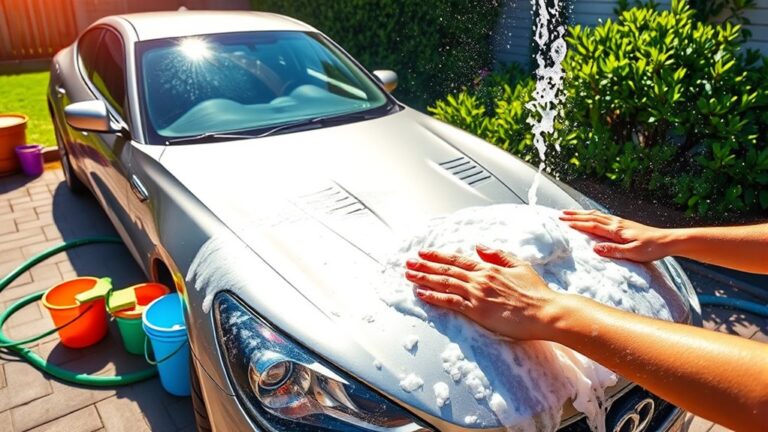
Washing your car can feel like a tricky task, especially when you want it to look spotless but don’t want to damage the finish. You’re not alone—many people struggle with choosing the right cleaning method that’s both effective and safe for their vehicle.
Using the wrong products can lead to unwanted problems, and that includes a common mistake many make: washing their car with dish soap.
When you wash your car with dish soap, you risk damaging the paint and protective layers. Dish soap strips away wax and sealants, making your vehicle more susceptible to scratches, fading, and oxidation.
Over time, this can lead to costly repairs and a dull appearance. Plus, it’s not eco-friendly. Protect your investment by choosing the right cleaning products.
Want to know the proper way to wash your car and keep it looking great?
Key Takeaways
- Dish soap strips away protective wax and sealants, leaving the paint vulnerable to damage and environmental factors.
- Regular use can cause micro-scratches and dull the paint finish over time.
- Harsh chemicals in dish soap can harm the environment when washed away.
- Using dish soap leads to faster oxidation and potential corrosion of the vehicle’s surface.
- Signs of damage include faded paint, increased scratches, and rust formation in crevices.
Why You Should Avoid Dish Soap for Car Washing
While it might seem convenient to grab that bottle of dish soap for a quick car wash, you should really think twice. Many dish soap misconceptions lead people to believe it’s a suitable option for washing cars. In reality, dish soap is formulated to cut grease on dishes, not to protect your vehicle’s paint.
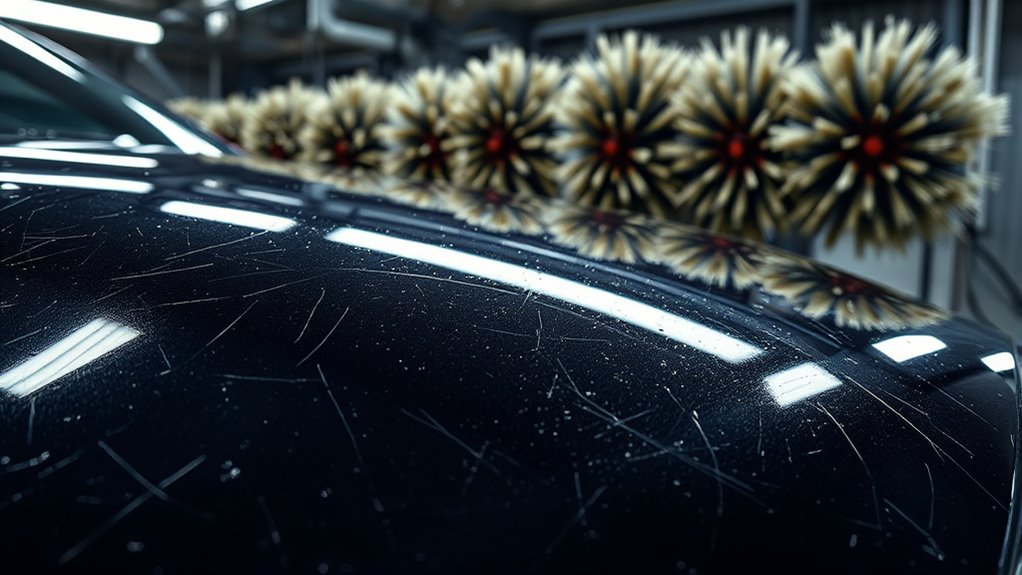
Using it can strip away the essential wax and sealants that keep your car looking pristine. Instead of effectively cleaning, dish soap may create micro-scratches on your vehicle’s surface, ruining its finish. Plus, its harsh chemicals can harm the environment when washed down the drain.
To maintain your car’s appearance and longevity, you should stick to proper car washing techniques. Use products specifically designed for automotive surfaces, ensuring a safe and effective clean. Your car deserves better than a quick fix with dish soap, so invest in the right supplies for a thorough wash.
Alternatives to Dish Soap for Car Washing
When it comes to washing your car, there are definitely better options than dish soap. You’ve got specially formulated car wash soaps that are designed to protect your paint. Plus, there are eco-friendly alternatives that are much gentler on the environment.
Trying out these options can really help you keep your car looking great without dealing with the downsides of dish soap. It’s a win-win!
Car Wash Soap Options
If you’re looking for alternatives to dish soap for washing your car, you’ll find plenty of effective options that can help maintain your vehicle’s finish. Using dedicated car wash soap can improve soap effectiveness and protect your paint. Here are some popular choices:
| Soap Type | Benefits | Recommended Use |
|---|---|---|
| pH-balanced Soap | Gentle on the finish | Regular washing |
| Foam Wash | Lifts dirt easily | Heavy-duty cleaning |
| Wax-infused Soap | Adds shine and protection | After polishing |
These car wash techniques will guarantee your car looks great without the risks associated with dish soap. Choose the right soap for your needs, and enjoy a sparkling clean ride!
Eco-Friendly Alternatives Available
As you look for eco-friendly alternatives to dish soap for washing your car, you’ll find several options that are both effective and kind to the environment. Biodegradable cleaners are a great choice, as they break down naturally and won’t harm local waterways.
You might also consider natural alternatives like vinegar and baking soda, which can effectively clean your vehicle without harsh chemicals. Furthermore, many sustainable products are specifically designed for car washing, ensuring you get a thorough clean while protecting the planet.
These eco-friendly options not only help maintain your car’s shine but also contribute to a healthier environment. By choosing these alternatives, you’re making a positive impact on nature while keeping your vehicle looking its best.
The Impact of Dish Soap on Vehicle Wax and Sealants
Using dish soap to wash your car can seriously affect your vehicle’s wax and sealants. You might notice that it strips away those protective layers, leaving your paint more vulnerable to damage.
Over time, this can lead to a dull finish and reduce how long your sealants last. So, it’s definitely worth thinking about the long-term effects before reaching for the dish soap.
Wax Removal Effects
While you might think dish soap is a quick and easy solution for washing your car, it can greatly impact the wax and sealants protecting your vehicle’s paint. Using dish soap can strip away the protective layers, leading to several negative effects:
- Reduced wax longevity
- Diminished surface protection
- Increased susceptibility to scratches
- Loss of shine and gloss
- More frequent reapplication of wax
Without proper protection, your vehicle’s paint can suffer from environmental damage. So, it’s essential to choose the right cleaning products. Instead of dish soap, opt for a dedicated car wash solution to maintain that beautiful finish and extend the life of your wax and sealants. Protect your investment by making smarter washing choices!
Sealant Durability Concerns
When you wash your car with dish soap, you risk compromising the durability of wax and sealants. Dish soap contains harsh chemicals that strip away protective layers, reducing both sealant lifespan and wax durability. This can leave your vehicle vulnerable to elements like UV rays and dirt, accelerating wear and tear.
| Effect on Product | Duration Impact |
|---|---|
| Sealant Lifespan | Decreased |
| Wax Durability | Reduced |
| Protective Layer | Stripped |
| Gloss Appearance | Diminished |
| Water Beading | Less Effective |
Using dish soap might seem convenient, but it can lead to costly and time-consuming reapplications of wax and sealant. It’s better to opt for specialized car soap to protect your vehicle’s finish instead.
Long-Term Finish Damage
Although it might seem harmless to use dish soap for washing your car, the long-term damage it can inflict on your vehicle’s finish is significant. Regular use of dish soap leads to paint deterioration and surface degradation, compromising your car’s aesthetic and protection.
It strips away protective wax layers, accelerates oxidation and fading, and increases susceptibility to scratches. It also dulls the paint finish over time and shortens the lifespan of sealants.
This means you’re not just washing your car; you’re potentially damaging it. Over time, these effects can make your vehicle look older than it is and require costly repairs or professional detailing. It’s better to use products designed specifically for automotive care to maintain your car’s finish.
How Dish Soap Damages Car Paint
Using dish soap might seem like a quick and easy way to clean your car, but it can seriously damage the paint. Dish soap is designed to cut grease, which means it’s harsh on your car’s finish. Over time, you might notice paint etching and surface degradation.
Here’s a quick overview of how dish soap can affect your car’s paint:
| Effect | Description |
|---|---|
| Paint Etching | Dish soap can strip away protective layers, leading to etching that ruins the appearance. |
| Surface Degradation | The harsh ingredients can degrade the paint, making it dull and vulnerable to further damage. |
| Long-Term Damage | Regular use can lead to costly repainting or repairs. |
To keep your car looking its best, always opt for a product specifically made for automotive care. Your vehicle deserves the right treatment!
Debunking Myths: What You Think You Know About Dish Soap
Many people believe that dish soap is a versatile cleaning agent that can handle any surface, including your car. However, this is far from the truth. Let’s explore some common soap misconceptions to provide myth clarification.
- Dish soap strips away protective wax.
- It’s not pH-balanced for automotive finishes.
- Suds don’t indicate effective cleaning.
- Dish soap can cause streaks and spots.
- It’s not environmentally friendly for car washing.
Using dish soap on your car can lead to unintended damage, ruining your paint job over time. While it may clean your dishes effectively, it lacks the specific formulation needed for automotive surfaces. So, next time you consider grabbing that bottle of dish soap, keep in mind that it’s best saved for your kitchen sink, not your car. Stick to products designed for automotive care to keep your vehicle looking its best.
The Long-Term Effects of Dish Soap on Your Car
Using dish soap on your car might seem like a quick and easy fix, but it can actually cause some serious long-term problems. You could end up damaging the paint, which is something you definitely want to avoid.
On top of that, dish soap tends to strip away the protective wax that keeps your car’s surface safe. Without that wax, your car is more vulnerable to things like dirt, grime, and even corrosion over time.
Paint Damage Risks
While it might seem convenient to wash your car with dish soap, doing so can lead to significant paint damage over time. Dish soap isn’t formulated for automotive finishes, which can compromise paint preservation and surface protection.
Here are some risks to take into account:
- Strips away protective wax layers
- Causes fading and discoloration
- Leads to scratches and swirls
- Weakens the paint’s bond to the surface
- Increases susceptibility to environmental damage
Choosing the right car wash soap is essential for maintaining your vehicle’s appearance. By avoiding dish soap, you guarantee your car’s paint remains vibrant and protected, saving you money on costly repairs or repaints down the line.
Wax Removal Effects
Washing your car with dish soap can lead to the gradual removal of protective wax, which is essential for maintaining your vehicle’s finish. The harsh chemicals in dish soap strip away this wax, resulting in wax degradation.
Without that protective layer, your car’s paint becomes vulnerable to environmental elements like UV rays, dirt, and moisture. This lack of surface protection can cause your paint to fade and deteriorate over time.
You might notice your car looking dull and less vibrant after repeated washes. To preserve your vehicle’s appearance, it’s best to use a soap specifically designed for car washing. This way, you can maintain the wax layer and keep your car looking great for years to come.
Surface Corrosion Potential
The gradual removal of wax from your car’s surface not only impacts its shine but can also set the stage for surface corrosion. Without that protective layer, your vehicle becomes vulnerable to environmental factors that can lead to costly damage.
Here’s why you should reconsider using dish soap:
Lowers surface treatment effectiveness
Increases susceptibility to rust
Accelerates paint degradation
Harms corrosion prevention efforts
Leaves your car exposed to contaminants
Washing Your Car the Right Way
Start by gathering the right supplies to wash your car effectively. You’ll need a bucket, a soft sponge or microfiber cloth, and a pH-balanced car shampoo designed for automotive finishes. Avoid dish soap, as it can strip away protective wax and damage the paint.
Next, find a shaded area to wash your car to prevent water spots. Set a washing frequency based on your environment. Washing once every two weeks is a good rule for most.
When you’re ready, use proper techniques: rinse the car first to remove loose dirt, then wash from top to bottom in sections. Rinse your sponge frequently to avoid scratching the surface.
Finally, rinse the car thoroughly and dry it with a soft towel to prevent water spots. Following these steps will help maintain your car’s appearance and protect its finish, ensuring it looks great for years to come.
Recognizing Dish Soap Damage to Your Car
While you might think dish soap is a quick solution for cleaning your car, its harsh chemicals can cause significant damage. Using dish soap undermines your car maintenance efforts and jeopardizes paint protection, leading to potential long-term issues.
Dish soap may seem convenient, but its harsh chemicals can seriously damage your car’s paint and finish.
Here’s what to watch for:
- Faded Paint: Dish soap strips away wax, leaving your paint vulnerable.
- Oxidation: Harsh chemicals can speed up the oxidation process.
- Scratches: Abrasives in some dish soaps can create micro-scratches on the surface.
- Corrosion: Residual soap can lead to rust formation, especially in crevices.
- Decreased Vehicle Longevity: Compromised paint and finish can lower overall value.
Recognizing these signs early can save you from costly repairs. Keep your car looking its best by avoiding dish soap and opting for products specifically designed for automotive care. Your vehicle deserves the right kind of attention!
Tips for Keeping Your Car Shiny and Protected
If you want to keep your car looking shiny and protected, regular maintenance is key. Here are some practical tips to help you achieve that:
| Task | Frequency | Benefits |
|---|---|---|
| Wash your car | Every 2 weeks | Removes dirt and grime |
| Apply wax | Every 3 months | Boosts shine, adds protection |
| Use protective coatings | Once a year | Shields against UV rays and contaminants |
| Clean the interior | Monthly | Maintains overall appearance |
| Check tire pressure | Monthly | Improves fuel efficiency |
Incorporating shine maintenance into your routine not only keeps your car looking great but also extends its lifespan. Don’t underestimate the power of protective coatings; they act as barriers against harmful elements. Prioritize these tasks, and you’ll enjoy a gleaming ride for years to come!
FAQs About Using Dish Soap for Car Washing?
Wondering if you can use dish soap to wash your car? Here are some common FAQs to clear up dish soap misconceptions:
- Does dish soap damage car paint? Yes, it can strip wax and harm the finish.
- What about grease-cutting power? While it’s effective for dishes, it’s not ideal for your car.
- Can I mix it with water? Mixing won’t help; you still risk damaging the paint.
- Are there safe alternatives? Yes, consider car-specific soap that’s gentle yet effective.
- What are some car washing tips? Always wash in the shade, use a soft sponge, and rinse thoroughly.
Using dish soap might seem convenient, but it could lead to long-term damage. So, stick to products designed for car washing to keep your vehicle looking its best.
Frequently Asked Questions
Can I Use Dish Soap for a Quick Car Wash?
You can use dish soap for a quick car wash, but it’s not the best choice for long-term care. While it might clean your car effectively in a pinch, it can strip away essential wax and protective coatings.
If you’re looking for an alternative cleaning method, consider using a soap specifically designed for vehicles. This way, you’ll maintain your car’s finish and keep it looking great while ensuring the wash effectiveness you need.
What Are the Signs of Dish Soap Damage?
If you notice your car’s paint looking dull or scratched after washing it with dish soap, that’s a sign of damage. Studies show that using dish soap can strip away wax, leaving your paint vulnerable.
You might also see water spots or faded areas where the soap has weakened the protective layer. If your car’s finish feels rough or uneven, it’s time to reconsider your washing method to protect its appearance.
How Often Should I Wash My Car?
You should wash your car every two weeks for ideal maintenance. If you drive in harsh conditions or near the ocean, consider washing it weekly. This frequency helps prevent dirt buildup and protects your paint.
To keep your car looking great, follow these maintenance tips: always use a proper car wash soap, dry it with a microfiber towel, and don’t forget to clean the wheels. Regular washes keep your vehicle in top shape!
Is It Safe to Use Dish Soap on Windows?
Sure, using dish soap on your windows sounds like a great way to achieve that “streaky, soapy masterpiece” look! But in reality, it’s not safe.
Dish soap leaves soap residue, which can ruin glass clarity and make your windows look worse. Instead, grab a proper glass cleaner designed for windows.
You’ll save yourself the headache and achieve that crystal-clear view without the artistic flair of leftover suds!
Can I Mix Dish Soap With Other Cleaning Products?
You can mix dish soap with other cleaning products, but be cautious. Combining it with vinegar or bleach can create harmful fumes, so it’s best to avoid that.
For safer alternatives, consider using specialized car cleaning products that are designed to work well together. When washing your car, stick to dish soap alternatives specifically made for automotive care. These options provide better results without risking damage to your vehicle’s finish.
Conclusion
Washing your car with dish soap might seem convenient, but it can do more harm than good. Did you know that using the wrong soap can strip away up to 80% of your car’s protective wax?
Instead of risking damage, opt for a dedicated car wash soap that’s designed to be gentle on paint and wax. Your vehicle deserves the best care, so keep it shiny and protected by choosing the right products for a long-lasting finish.
When you wash your car with dish soap, you risk stripping away that protective layer. So, always pick a soap made specifically for cars to maintain your car’s shine and protection.