Are Car Washes Bad for Your Vehicle?
If you’ve ever wondered, “Are car washes bad for my vehicle?” you’re not alone. Many people struggle with finding the right way to keep their car clean without causing damage. It’s a common concern because everyone wants their car to look great while protecting that investment.
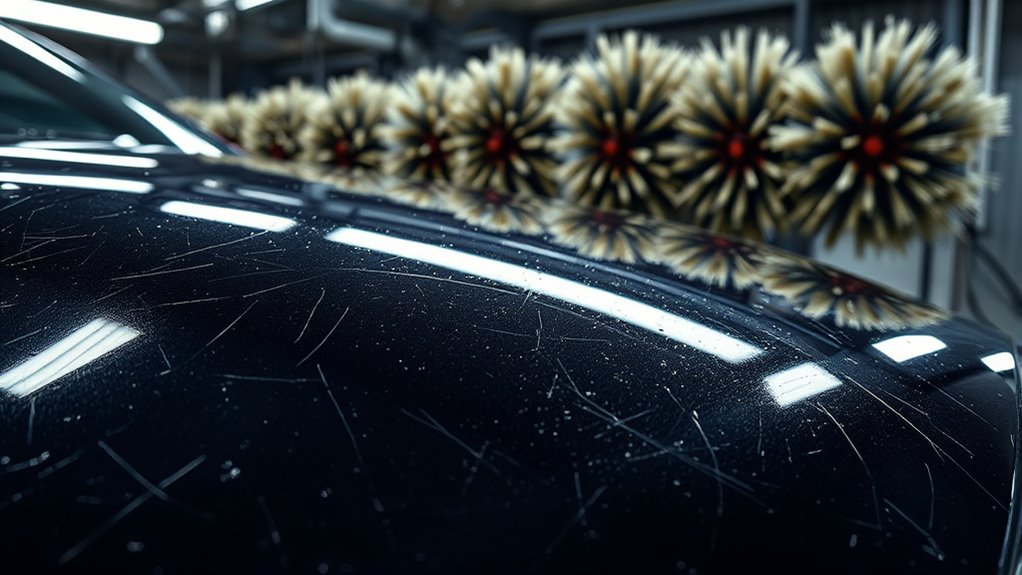
Car washes can be tough on your vehicle, especially automated ones. The brushes can scratch your paint and strip away protective wax.
Touchless washes are gentler, but even they have risks. You might notice signs of damage like swirls and worn seals over time.
Hand washing allows for more control but requires extra effort. It’s key to evaluate your car’s needs before choosing.
Uncovering the best washing methods and products can really help protect your investment.
Key Takeaways
- Automated car washes can cause scratches from worn brushes, which might damage your vehicle’s paint over time.
- Touchless car washes reduce the risk of scratches but may not clean your car as thoroughly as traditional methods.
- Frequent automated washes can speed up wax loss, leaving your paint exposed to environmental damage and wear.
- Low-quality car wash products can strip away protective coatings, making finishes dull and more prone to scratches.
- Regular inspections and protective steps, like waxing, help reduce potential damage from any washing method.
Types of Car Washes: Automated, Touchless, and Hand Wash Options
When you think about washing your car, which method comes to mind? You might consider automated efficiency, where machines do the work quickly, freeing up your time. Automated car washes can get your vehicle clean in just minutes, but they often rely on brushes that may scratch the surface.
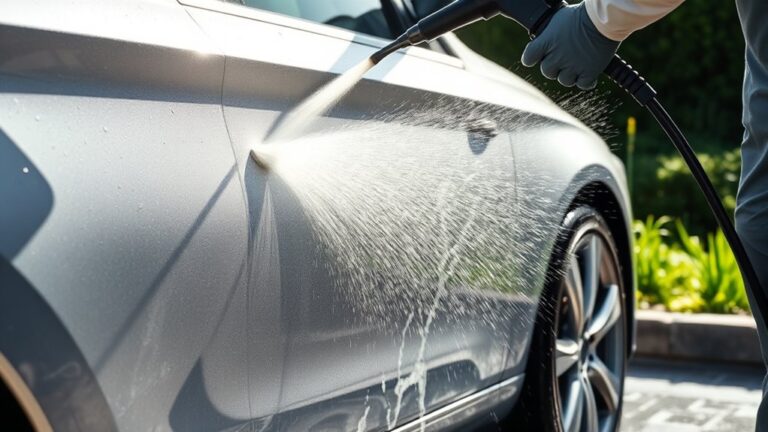
On the other hand, touchless technology cleans without physical contact, using high-pressure water and soaps to remove dirt. This method minimizes the risk of scratches while still delivering a thorough wash.
Then there are hand wash benefits. A professional detailer can address specific areas that machines might miss, ensuring a meticulous clean. Plus, you can choose the wash frequency that fits your lifestyle, whether it’s weekly or monthly, helping maintain your car’s appearance. Each option has its pros and cons, so it’s essential to choose one that aligns with your needs and concerns.
Assess the Risks of Automated Car Washes
While automated car washes offer speed and convenience, they come with certain risks that can impact your vehicle’s appearance. One major concern is automated wear from brushes that can cause brush damage, especially if they’re old or not maintained properly. The surface abrasiveness of these brushes can lead to fine scratches on your paint. Frequent use can also accelerate wax removal, leaving your vehicle vulnerable to environmental factors.
Moreover, the water quality used in these washes can vary, affecting both cleanliness and your car’s finish. If the drying techniques aren’t effective, water spots could form, requiring more vehicle maintenance later on. While the cleaning costs can be appealing, weigh these against potential long-term damage.
Ultimately, it’s essential to reflect on the environmental impact of using automated car washes, including water usage and chemical runoff, as you decide how often to clean your vehicle.
Identify Signs of Damage From Car Washes
When you wash your car, it’s a good idea to watch out for signs of damage. Paint scratches and swirls can easily sneak up on you without you noticing right away. And those worn-out seals? They might not seem like a big deal at first, but they can lead to bigger problems later on. Catching these issues early can really save you time and money when it comes to repairs. So, keep an eye out—you’ll thank yourself down the road!
Paint Scratches And Swirls
Even if you regularly wash your car, you might not notice the subtle paint scratches and swirls that can accumulate over time. These imperfections often arise from automatic car washes, where brushes and harsh chemicals can compromise your vehicle’s finish.
If you look closely, you may see swirl marks that detract from your car’s shine. To protect your paint, consider applying a quality paint protection product that forms a barrier against these damaging elements.
Regularly inspecting your car’s surface can help you spot any emerging issues before they worsen. By being proactive, you can maintain your vehicle’s appearance and resale value, ensuring it continues to turn heads on the road.
Worn Out Seals
- Increased wind noise when driving
- Water leaks after heavy rain or washing
- Visible cracks or gaps in the seals
If you spot these issues, it’s crucial to evaluate seal replacement. Keeping an eye on your seals can save you from more extensive repairs down the line.
Regularly inspecting and maintaining your vehicle’s seals will help guarantee your car stays in top shape, preventing unnecessary issues caused by those frequent washes.
Touchless vs. Traditional Car Wash: Which Should You Choose?
Which car wash method suits your vehicle best: touchless or traditional? Touchless technology uses high-pressure water jets and specialized detergents to clean your car without physical contact. This method is gentler on your vehicle’s surface, making it a great choice if you’re worried about scratches or swirl marks.
On the other hand, traditional methods often involve brushes and cloths that can wear down your paint over time. While they may provide a more thorough cleaning, they can also introduce grime and debris that scratch your finish.
Consider your vehicle’s condition and your cleaning preferences. If you want to avoid potential damage, touchless washes are usually the safer bet. However, if you need a deep clean and don’t mind the risks, traditional methods might work for you. Ultimately, your choice should align with your vehicle’s needs and your comfort level.
Best Practices for Washing Your Car at Home
When you wash your car at home, using the right tools and supplies is really important for a great finish. You’ll want to make sure you’re using safe washing techniques so you don’t accidentally cause scratches or damage. So, let’s take a look at what you need to get started and how to do it the right way.
Proper Tools And Supplies
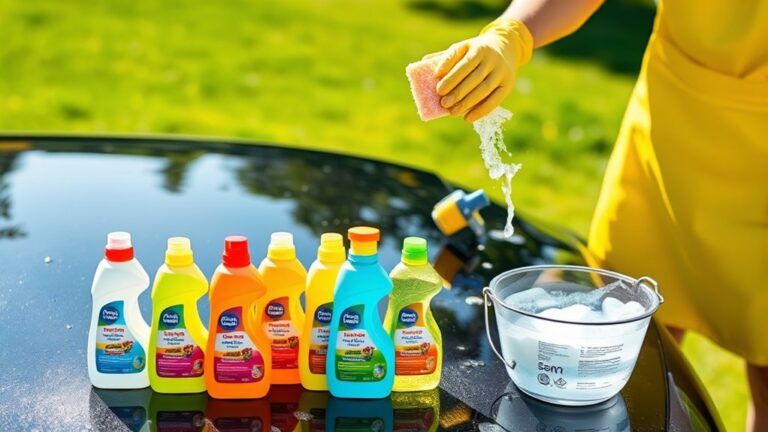
Washing your car at home can be a rewarding experience, but having the right tools and supplies makes all the difference. Investing in quality cleaning tools and washing supplies guarantees you get the best results without damaging your vehicle’s finish.
Here are some essentials to take into account:
- Microfiber wash mitt: Gentle on your car’s surface, it traps dirt without scratching.
- pH-balanced car soap: Effective in removing grime while preserving your paint.
- Soft-bristle brush: Perfect for wheels and hard-to-reach areas without causing scratches.
Gathering these items will not only improve your washing experience but also help you maintain your car’s appearance over time. So, gear up and get ready to give your vehicle the care it deserves!
Safe Washing Techniques
Having the right tools and supplies sets the stage for a successful car wash, but how you use them is just as important. Follow these safe washing techniques to protect your vehicle’s finish:
| Step | Action | Tips |
|---|---|---|
| Pre-Wash | Rinse the car with water | Remove loose dirt |
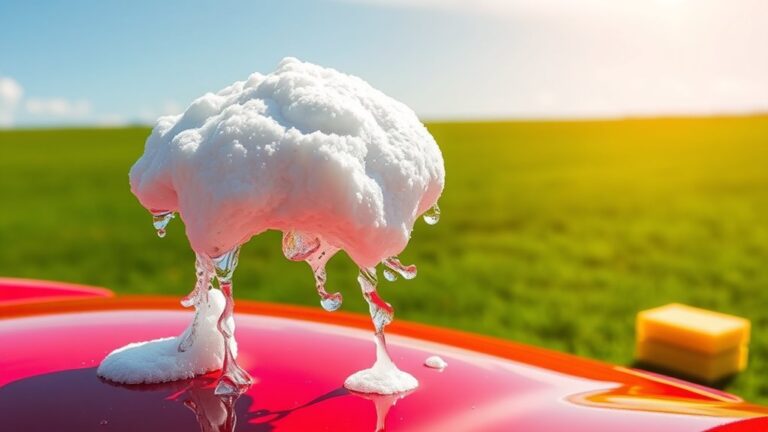
| Soap | Use eco-friendly products | Avoid harsh chemicals |
| Wash | Use soft cloths or mitts | Work from top to bottom |
| Rinse | Thoroughly rinse off soap | Prevent water spots |
| Dry | Pat dry with soft cloths | Avoid scratches |
Why Home Washing Might Be Better for Your Car
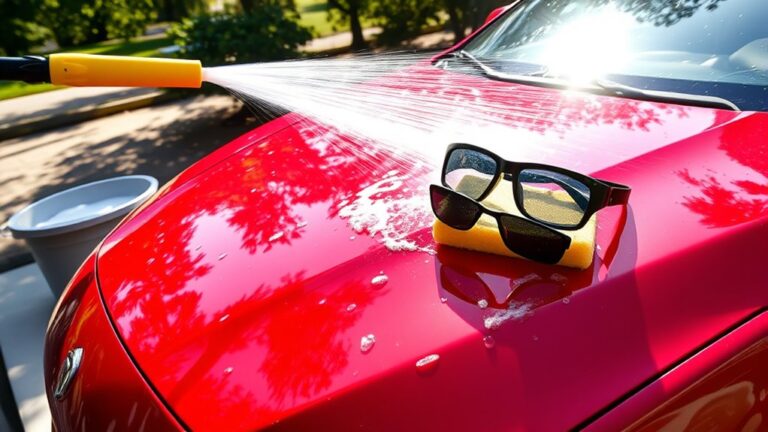
Although many people opt for commercial car washes for convenience, home washing offers several advantages that can better protect your vehicle. By washing your car at home, you can guarantee a gentler process that minimizes the risk of scratches and damage. Plus, you’ll enjoy some significant home washing benefits, including cost savings over time.
Here are a few reasons why home washing might be your best option:
- Control over products: You choose the soaps and tools, assuring they’re safe for your car’s finish.
- Personalized attention: You can spend extra time on areas that need it most, like wheels and undercarriage.
- Satisfaction: There’s something rewarding about doing it yourself, knowing you’re taking care of your vehicle.
In the long run, home washing can be a smart choice for both your car and your wallet.
How Harsh Chemicals Affect Your Car
When you use a car wash that relies on harsh chemicals, you’re actually risking damage to your vehicle’s paint and finish. These aggressive cleaners can strip away the protective coatings on your car. And once those are gone, your car becomes more vulnerable to scratches and environmental damage. So, it’s really important to think about how these chemicals can affect your car’s overall look and how long it lasts.
Chemical Damage Risks
While you might think a quick car wash is harmless, harsh chemicals can actually damage your vehicle’s exterior and interior surfaces. Over time, chemical exposure from low-quality soaps and waxes can lead to wax degradation, leaving your paint vulnerable to scratches and fading.
Here are a few risks to take into account:
- Paint Damage: Strong detergents can strip away protective coatings, making your car more susceptible to environmental damage.
- Interior Wear: Chemicals can deteriorate fabrics and plastics, leading to discoloration and cracking.
- Finish Deterioration: Repeated use of harsh products can cause a dull appearance, ruining your car’s shine.
Being mindful of what goes into your car wash can help preserve its beauty and value. Choose wisely!
Surface Protection Loss
Harsh chemicals in some car washes can strip away the protective layers on your vehicle’s surface, leaving it vulnerable to damage. These chemicals can degrade wax and sealants, which are essential for maintaining your car’s finish. Without these protective coatings, your vehicle’s paint becomes susceptible to scratches, oxidation, and environmental contaminants.
To combat this, consider effective surface maintenance strategies, like hand washing with gentle soap and regular waxing. You might also investigate protective coating options such as ceramic coatings, which offer long-lasting defense against harsh elements. By being mindful of the car wash you choose and how you care for your vehicle, you can preserve its appearance and value for years to come.
The Benefits of Regular Car Cleaning
Regular car cleaning not only improves your vehicle’s appearance, but it also protects its value and longevity. Keeping your car clean helps prevent rust, corrosion, and damage from dirt and grime. Plus, it creates a more enjoyable driving experience.
Here are some key benefits of regular car cleaning:
- Enhanced Resale Value: A well-maintained vehicle looks more appealing to potential buyers.
- Improved Safety: Clean windows and mirrors guarantee better visibility, making your drives safer.
- Eco-Friendly Options: Using eco-friendly products for both exterior and interior cleaning helps reduce environmental impact while keeping your car fresh.
Don’t underestimate the importance of interior cleaning either. Regularly vacuuming and wiping down surfaces can create a healthier environment for you and your passengers. So, grab those eco-friendly products and give your car the care it deserves!
When to Use Professional Car Wash Services
Knowing when to use professional car wash services can make a big difference in your vehicle’s care. It’s important to consider factors like how often you wash and your vehicle’s specific needs.
Here are some professional recommendations to guide you:
| Situation | Recommendation |
|---|---|
| Daily driver with light dirt | Monthly professional washes |
| Off-road vehicle | Bi-weekly washes |
| Seasonal changes (salt/snow) | Immediately after exposure |
| Heavy accumulation | Immediate professional wash |
Pay attention to how often you wash your car. If it faces harsh weather or dirt, don’t wait too long between washes. Using professional services ensures a thorough cleaning, especially in hard-to-reach areas.
This helps keep your vehicle in top shape. Trust your instincts and your vehicle’s needs to know when it’s time for a professional touch.
Making an Informed Choice: Car Washes vs. Hand Washing
When deciding between car washes and hand washing, it’s essential to weigh the pros and cons of each method. While car washes can be quick and convenient, there are common car wash myths that may deter you. For example, many believe automated washes scratch the paint, but modern technology often minimizes this risk.
On the other hand, hand washing offers distinct benefits:
- Personalized Care: You control the products and techniques used, ensuring a gentle touch.
- Attention to Detail: You can focus on hard-to-reach areas that machines might miss.
- Satisfaction: There’s a unique joy in doing it yourself, knowing your car gets the care it deserves.
Ultimately, your choice may depend on your schedule, budget, and desire for that personal touch. Consider these factors to make an informed decision that suits your vehicle’s needs!
Frequently Asked Questions
How Often Should I Wash My Car to Maintain Its Finish?
You should wash your car every two weeks to maintain its finish and improve paint longevity. Regular washing helps remove dirt, grime, and contaminants that can damage the paint over time.
If you often drive in harsh conditions or near the ocean, you might want to wash it weekly. Keeping up with this washing frequency guarantees your vehicle looks great and protects its surface from fading and scratches.
Can Car Washes Damage My Vehicle’s Paint Over Time?
Yes, car washes can damage your vehicle’s paint over time, especially if you choose the wrong wash types. Automatic washes with harsh brushes may scratch your paint, while touchless options can be gentler.
To protect your paint, consider applying a protective coating before washing. Regular maintenance and selecting the right wash type can help preserve your vehicle’s finish and keep it looking great for years to come.
Are There Eco-Friendly Car Wash Options Available?
Absolutely, you can find eco-friendly car wash options that’ll make your ride sparkle without harming the planet! These magical washes focus on water conservation, using minimal water while still delivering a shine that’ll turn heads.
They often use biodegradable soaps, ensuring your wash doesn’t pollute the environment. So, next time you think about cleaning your car, consider these green options that save water and keep your conscience clear!
Is It Safe to Wash a Newly Painted Car in a Car Wash?
It’s best to avoid car washes for at least 30 days after getting a new paint job. During this time, your paint needs to cure properly.
Instead, opt for gentle wash techniques at home using a microfiber cloth and pH-balanced soap. This way, you protect the new paint care while avoiding harsh brushes and chemicals that could damage the finish.
When in doubt, hand-washing is always the safer choice.
Do Car Washes Remove Wax or Sealant From My Vehicle?
When you wash your car, it’s like wiping away a protective shield. Car washes can indeed strip away some wax and diminish sealant effectiveness, especially if you’re using harsh detergents or high-pressure systems.
This can shorten wax longevity, leaving your paint vulnerable. To keep your vehicle’s shine intact, consider hand washing or using a touchless wash method.
Regular maintenance helps preserve that glossy finish you love, ensuring it lasts longer.
Conclusion
To sum up, choosing the right car wash can be essential for your vehicle’s care. Whether you opt for an automated adventure or a hand wash haven, staying savvy about potential pitfalls is key.
Regular rinsing not only revives your ride but also protects its paint. So, prioritize proper practices and pick your washes wisely.
When it comes to car washes, a little diligence goes a long way. You can enjoy a dazzling, damage-free drive while keeping your car clean and cared for!