What Happens to Water at Car Washes—Is It Recycled?
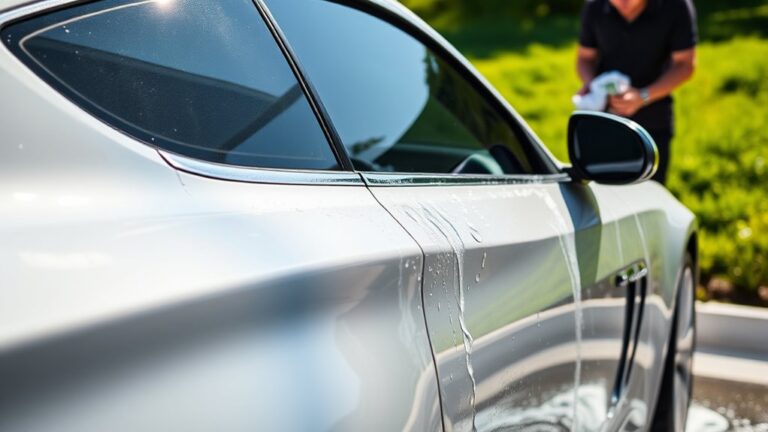
Washing your car can feel like a huge waste of water, and if you’re worried about the environmental impact, you’re not alone. Many people struggle with wanting to keep their car clean while also being eco-friendly.
Luckily, there are ways to make your car wash routine more sustainable without sacrificing results.
When you wash your car, most of that water gets recycled. After use, it flows into drains where it’s collected, filtered, and treated to remove dirt and chemicals.
Many car washes recycle a significant portion of the water, using advanced systems for effective reuse. This not only conserves water but also helps reduce environmental impact.
If you’re curious about how to choose eco-friendly options, you’ll find valuable tips that can make your car washing habits more sustainable.
Key Takeaways
- Many car washes use efficient systems to recycle water, significantly reducing overall consumption per wash.
- Used water is collected, filtered, and treated to remove dirt and chemicals before reuse.
- Some facilities have on-site recycling systems that allow for multiple washes with the same water.
- Local regulations often mandate a percentage of water to be recycled, ensuring compliance with environmental standards.
- Choosing eco-friendly car washes supports sustainable practices and promotes responsible water management.
The Importance of Water Recycling in Car Washes
When you wash your car, you might not think about the water you’re using, but recycling it is crucial. Effective water management helps conserve this precious resource. This is especially important in areas where water scarcity is a concern.
By implementing sustainability practices, car washes can greatly reduce their environmental impact. Recycling water not only minimizes waste but also cuts costs for the business.
When you choose a car wash that prioritizes water recycling, you’re supporting a model that respects nature and promotes responsible consumption. This process often involves filtering and treating used water, making it safe for reuse.
How Car Washes Use Water: An Overview
While you may not realize it, car washes use a significant amount of water in their operations. From the initial rinse to the final drying, effective water usage is essential for achieving wash efficiency. A typical car wash can consume anywhere from 15 to 60 gallons of water per vehicle, depending on the type of wash and the equipment used.
Most modern car washes are designed to maximize efficiency and minimize waste. They often utilize high-pressure nozzles and reclaim systems that help reduce overall water consumption. For instance, touchless washes use powerful jets to clean your car without needing excessive water.
Furthermore, many facilities recycle water, allowing them to reuse it for multiple washes.
What Happens to Water After It Leaves Your Car?
After water leaves your car, it doesn’t just vanish; it undergoes a carefully managed process. First, the runoff collects in designated drains, guaranteeing it doesn’t mix with stormwater systems. This initial runoff management is vital for preventing contamination of local waterways.
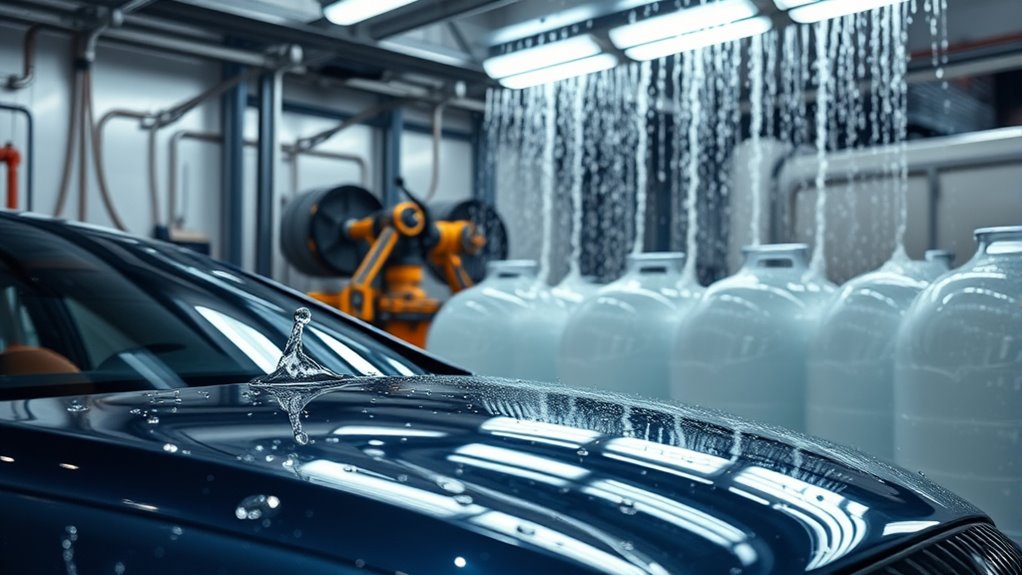
Once gathered, the water typically heads to a treatment facility. Here, it undergoes water treatment processes to remove dirt, soap, and any harmful chemicals. Some car washes even have on-site treatment systems that recycle this water, reducing waste and conserving resources.
The treated water can then be reused for washing more cars or may be safely released back into the environment, depending on local regulations. By following these steps, car washes help guarantee that the water you see leaving your vehicle is handled responsibly, protecting both your community and the ecosystem.
Are All Car Washes Eco-Friendly?
Are all car washes really eco-friendly? The answer isn’t straightforward. While some car washes prioritize sustainable practices, others may not meet the same standards.
Eco-friendly car washes often implement efficient water management techniques, capturing and recycling water to minimize waste. These establishments typically use biodegradable soaps and environmentally safe cleaning agents, reducing their impact on local ecosystems.
On the flip side, many traditional car washes discharge untreated wastewater directly into storm drains, which can harm waterways. If you’re concerned about the environment, look for facilities that display certifications or signage indicating their commitment to sustainability.
You can also ask about their water management practices before choosing where to wash your car. By opting for a car wash that emphasizes eco-friendly methods, you’re not just cleaning your vehicle; you’re also contributing to a healthier planet.
Steps Involved in Water Recycling at Car Washes
When you choose a car wash that recycles water, you’re participating in a process that involves several key steps designed to conserve resources. Here’s how it works:
Collection: Used water is gathered from the wash bays.
Filtration: The water undergoes filtration to remove dirt and debris.
Treatment: Advanced recycling technologies treat the water for reuse, making sure it meets quality standards.
Storage: Cleaned water is stored in tanks, ready for the next wash cycle.
Reuse: The recycled water is mixed with fresh water to optimize usage while minimizing waste.
Ensuring Safe Recycled Water
Recycling water at car washes not only conserves resources but also raises important questions about safety. To guarantee the recycled water is safe for use, effective water purification and advanced filtration systems are essential. These systems remove contaminants and debris, making certain the water meets health standards.
Here’s a quick overview of how these systems work:
| Filtration Type | Purpose | Benefits |
|---|---|---|
| Mechanical Filter | Removes large particles | Protects equipment |
| Chemical Treatment | Eliminates harmful bacteria | Secures water safety |
| UV Treatment | Destroys pathogens | Provides chemical-free solution |
| Reverse Osmosis | Removes dissolved solids | Improves water quality |
Why Recycling Water Is Good for the Planet
Recycling water at car washes is a smart way to cut down on environmental harm because it saves valuable resources. When you pick a car wash that recycles water, you’re actually helping to reduce waste and keep nearby ecosystems safe. It’s an easy choice that makes a big difference for a healthier planet for all of us.
Environmental Impact Reduction
As car washes adopt water recycling systems, they greatly lessen their environmental footprint. You’re not just getting a clean car; you’re supporting sustainable practices and water conservation efforts.
Here’s how recycling water positively impacts the planet:
- Reduces freshwater usage greatly
- Minimizes wastewater discharge into local ecosystems
- Lowers energy consumption during water treatment
- Decreases chemical runoff from cleaning products
- Promotes awareness of eco-friendly practices among customers
Resource Conservation Benefits
When you choose a car wash that recycles water, you’re not just getting a clean vehicle; you’re also playing an important role in conserving valuable resources. Water conservation is essential, especially in areas facing shortages.
By recycling water, car washes greatly reduce the amount of fresh water needed, which helps protect our planet’s crucial ecosystems. This practice supports sustainable efforts that minimize waste and promote efficient resource use.
Plus, using less water means lower utility costs for car washes, allowing them to invest in more eco-friendly technologies. So, the next time you wash your car, keep in mind that your choice contributes to a more sustainable future, making sure water stays available for everyone and everything that relies on it.
Innovative Water Recycling Practices in Car Washes
While many car washes rely on traditional water sources, innovative practices are transforming how they manage this precious resource. By adopting sustainable technologies and advanced water filtration systems, car washes are not only conserving water but also improving efficiency.
Here are some cutting-edge recycling methods you might encounter:
Closed-loop systems: These systems recycle water within the wash cycle, reducing waste.
Filtration technologies: Advanced filters remove contaminants, allowing water to be reused multiple times.
Biological treatment: Natural processes break down pollutants, making the water safer for reuse.
Rainwater harvesting: Collecting rainwater provides an additional source of clean water for washing.
Smart monitoring systems: These track water usage, optimizing efficiency and minimizing waste.
Regulations for Water Use in Car Washes
When you run a car wash, it’s important to keep up with local water regulations that affect your business. These rules are there to make sure you’re using water responsibly and staying in line with environmental standards.
Plus, knowing these regulations isn’t just about following the law—it’s key to your operation’s success and helps protect the planet too. So, staying informed really pays off in the long run.
Local Water Regulations
- Water usage limits: Many areas impose restrictions on the gallons used per wash.
- Recycling mandates: Some regions require car washes to recycle a percentage of their water.
- Discharge regulations: You might face guidelines on how wastewater is treated before it’s released.
- Permit requirements: Operating a car wash often necessitates obtaining specific permits that adhere to local standards.
- Monitoring: Regular inspections may be conducted to guarantee compliance with water use regulations.
Understanding these regulations helps you appreciate the balance between convenience and environmental responsibility.
Environmental Compliance Standards
Local water regulations set the groundwork for environmental compliance standards in car washes. These standards guarantee that businesses adhere to water quality requirements and manage their water use responsibly.
You’ll find that car washes must obtain discharge permits and meet specific treatment standards to minimize their environmental impact.
Here’s a quick overview of key compliance areas:
| Compliance Area | Description |
|---|---|
| Water Management | Efficient use and recycling of water |
| Pollution Control | Measures to reduce contaminants |
| Conservation Practices | Methods to save water |
| Sustainability Initiatives | Long-term strategies for eco-friendliness |
| Regulatory Compliance | Adhering to local and state regulations |
Tips for Choosing Eco-Friendly Car Washes
Choosing an eco-friendly car wash not only helps protect the environment but also guarantees your vehicle gets the care it deserves. To make sure you select a sustainable option, keep these tips in mind:
Opting for an eco-friendly car wash benefits both the planet and your vehicle’s well-being. Choose wisely for a sustainable clean.
Look for sustainable products: Check if they use eco-friendly cleaners and waxes.
Choose biodegradable soaps: Confirm that the soaps break down naturally and won’t harm local water sources.
Inquire about water recycling: A good car wash should have systems in place to recycle water.
Research their practices: Read reviews or ask about their environmental policies.
Support local businesses: Smaller, community-focused car washes often prioritize eco-friendly methods.
Frequently Asked Questions
How Much Water Does a Typical Car Wash Use?
A typical car wash uses about 30 to 50 gallons of water per vehicle. If you’re washing your car at home, you might use even more, which leads to greater water usage and a higher environmental impact.
Can I Wash My Car at Home Instead?
Yes, you can wash your car at home, but consider the environmental impact. Home washing often leads to runoff that can pollute local waterways, while professional car washes typically recycle water.
Regarding cost comparison, washing at home might seem cheaper upfront, but you could be wasting more water and time. Weigh these factors before deciding if a DIY wash is the best choice for you and the environment.
What Types of Chemicals Are Used in Car Washes?
Did you know that around 70% of car washes use eco-friendly products? In car washes, you’ll often encounter chemicals like surfactants, waxes, and detergents. These help break down dirt and grime efficiently.
It’s essential to take into account chemical safety, so look for establishments that prioritize eco-friendly options. By choosing a car wash that uses safer chemicals, you’re not just protecting your vehicle but also the environment.
How Do Car Washes Prevent Water Pollution?
Car washes prevent water pollution through effective water filtration and runoff management. They use advanced filtration systems to clean and recycle water, making sure harmful chemicals and debris don’t enter local waterways.
By directing runoff into designated drainage systems, they minimize contamination risks. You’ll notice that many car washes also use biodegradable soaps, which further reduces their environmental impact.
With these practices, they help keep your community clean and safe from pollution.
Are There Non-Water Car Wash Options Available?
You’ll find several non-water car wash options available today, like a sleek smartphone app for scheduling. Waterless alternatives are gaining popularity, using eco-friendly products that clean your vehicle without the mess.
These solutions often involve sprays and microfiber cloths that lift dirt and grime, leaving your car shiny without harming the environment. Plus, they save water, making them a smart choice for your ride and the planet!
Conclusion
In the grand scheme of our planet’s health, every drop counts. Think of a car wash as a lifeboat in a sea of water wastage. By recycling water, it not only keeps your car shining but also helps preserve precious resources for future generations.
When you choose eco-friendly car washes, you’re not just getting a clean ride; you’re supporting a movement that protects our environment. So, let’s steer towards sustainability, one wash at a time and embrace how water is recycled at car washes.